Am I a Candidate for Implants Abroad?
By Adam Smith, Head of Patient Research
Updated 28 March 2026 · Dental tourism researcher · Clinic vetting specialist · 40+ clinics assessed on-site
Clinically reviewed by Dr. Ertan Etemoglu, Lead Dentist & Co-Founder
Tower Dental Clinic, Istanbul · 26 years in practice · 8,000+ patients/year · Turkish & American Dental Association member · Featured on Reuters

About MyDentalFly
We build your treatment plan and match you with vetted specialist clinics in Turkey, Hungary and Poland — and a dentist at the clinic confirms every plan before you pay anything.
Vetted clinics only· Turkey · Hungary · Poland·1,875 verified prices
Pearl, our dental consultant
Pearl
Pearl · online
Hi, I'm Pearl 👋 Ask me anything about dental implants abroad — or tell me what you need and I'll build your package.

Smile Analyser
Send one photo. I tell you what I can see.
Try asking about this

Smoking, bone loss, diabetes — find out what affects your eligibility for dental implants abroad.
Nine out of ten adults who think they can't get dental implants are wrong.
That's not marketing. It's the clinical reality. Bone loss, smoking, gum disease, diabetes, age — these are the reasons people convince themselves implants aren't an option. Most of them are manageable, treatable, or irrelevant.
Here's what actually affects your eligibility, what it costs to fix, and when implants genuinely aren't the right call.
Bone Loss: The Most Common Concern (And the Most Treatable)
If you've had missing teeth for years, your jawbone has almost certainly shrunk. Bone needs stimulation to maintain its density — without a tooth root or implant, it resorbs. This is normal, expected, and fixable.
A bone graft adds synthetic or donor bone material to rebuild the ridge. Success rates are above 95%.
| Turkey | Budapest | UK | |
|---|---|---|---|
| Bone graft | £200-350 | £300-450 | £800-1,500 |
| Sinus lift | £330-500 | £480-650 | £1,200-1,800 |
| Healing time | 4-6 months | 4-6 months | 4-6 months |
The catch: bone grafting adds a second trip. You'll need the graft placed first, then return 4-6 months later once the bone has matured. Some clinics offer combined procedures for smaller grafts, reducing it to one visit.
Zimmer Biomet's Trabecular Metal implant was designed specifically for compromised bone — its porous structure mimics natural bone and achieves stability where standard implants can't. Megagen's AnyRidge has deep threads that grip softer bone aggressively, sometimes avoiding grafts entirely. You can compare these brands side-by-side in our free comparison tool.
"I was told I had bone loss and couldn't get implants. Got a second opinion abroad — bone graft and implants done in two trips, total cost less than one implant in the UK."
Pearl
MyDentalFly’s dental consultant
Worth knowing before you compare any quotes: the number of implants you need isn't a preference, it's decided by how much bone you have and where the gaps sit. Two people missing the same number of teeth can need very different treatment — which is why quotes vary so wildly before anyone has looked at a scan.
How many teeth are you missing or need replacing?
Smoking: Not a Dealbreaker, But a Real Risk
Smoking reduces blood flow to the gums and slows healing. That's a fact, not a scare tactic. Studies show it reduces implant success rates by 5-10%.
Where you fall on the spectrum:
Never smoked or quit 6+ months ago — No impact on eligibility. You're a strong candidate.
Quit recently (less than 6 months) — Minor risk. Most clinics will proceed with extra precautions. Two weeks smoke-free before surgery is the minimum recommendation.
Social smoker (a few per week) — Moderate risk. Clinics will typically proceed but may recommend a longer healing window and more frequent check-ups.
Regular smoker (10+ per day) — High risk. Some clinics will refuse treatment. Those that proceed will extend healing timelines and may require additional bone grafting as a precaution. Honestly? This is the one factor where the clinical advice is unambiguous: quit before getting implants.
The best clinics are honest about this. During MyDentalFly's dental assessment, we ask about smoking so your dental package reflects the real picture. That way, clinics quote based on your actual situation — not a best-case assumption that falls apart on the day.
Age: There Is No Upper Limit
Patients in their 70s and 80s routinely receive dental implants. Age itself has zero bearing on implant success. The factors that matter are bone density, overall health, healing ability, and medication.
A healthy 75-year-old with good bone density is a stronger candidate than a 40-year-old smoker with uncontrolled diabetes.
The only age restriction goes the other direction: implants aren't recommended before age 18 because the jaw is still developing.
Gum Disease: Treatable, but Must Be Addressed First
Active gum disease (periodontitis) must be treated before implant placement. Placing an implant into infected tissue is a recipe for peri-implantitis — essentially gum disease around the implant, and the leading cause of implant failure.
The treatment is straightforward: deep cleaning (scaling and root planing), possibly antibiotics, and 2-4 weeks for the gums to heal.
| Turkey | Budapest | UK | |
|---|---|---|---|
| Deep cleaning (per arch) | £80-150 | £100-200 | £250-400 |
| Periodontal treatment | £150-300 | £200-400 | £500-1,000 |
| Healing time | 2-4 weeks | 2-4 weeks | 2-4 weeks |
Some clinics include gum treatment in their implant package. Others charge separately. Ask before booking — it's one of those hidden costs that catches people off guard.
"Ask what's included — some quotes don't include the temporary veneers or medications"
Medical Conditions: What Your Clinic Needs to Know
Controlled diabetes — Eligible with precautions. HbA1c below 8% is the standard threshold. Your clinic will coordinate with your GP for clearance. Healing may take slightly longer.
Uncontrolled diabetes — Not eligible until controlled. High blood sugar impairs healing and increases infection risk significantly. Get your diabetes managed first, then revisit implants.
Blood thinners — Eligible with planning. Your GP may adjust dosage before surgery. You'll need to disclose this early so the clinic can coordinate.
Bisphosphonates (osteoporosis medication) — This is the serious one. Bisphosphonates affect bone metabolism and can cause osteonecrosis of the jaw (ONJ) after dental surgery. If you've taken bisphosphonates for more than 3 years, implants may not be safe. Shorter courses have lower risk. Your clinic and GP must both be involved in this decision.
Heart conditions — Most stable heart conditions don't prevent treatment. You'll need GP clearance confirming you're safe for minor oral surgery under local anaesthesia.
Autoimmune conditions — Depends on the specific condition and medication. Immunosuppressive drugs can affect healing. Discuss with your clinic — many patients with rheumatoid arthritis, lupus, or similar conditions receive implants successfully with adjusted protocols.
MyDentalFly's assessment includes a full medical history section. Your dental package flags conditions that need attention, so clinics can plan accordingly rather than discovering issues on arrival.
The Honest Answer: When Implants Aren't Right
Implants aren't the answer for everyone. In a small number of cases, alternatives are genuinely better:
Active cancer treatment — Chemotherapy and radiation (especially head and neck) affect bone healing. Wait until treatment is complete and your oncologist gives clearance.
Severe uncontrolled diabetes with complications — Until glucose levels stabilise, the infection risk is too high.
Long-term IV bisphosphonate use — ONJ risk may outweigh benefits. Discuss alternatives like implant-supported dentures or bridges.
Insufficient bone with medical contraindications to grafting — Rare, but some patients can't undergo grafting procedures. Zygomatic implants (anchored in the cheekbone) may be an option in specialised centres.
For everyone else — and that's the vast majority — the question isn't "can I get implants?" but "what preparation do I need first?"
Check Your Eligibility in 60 Seconds
Rather than guessing, take our free eligibility checker. Five questions about your treatment, smoking status, oral health, and medical history. You'll get a personalised result with a confidence score, specific guidance on any concerns, and the cost of addressing them abroad vs at home.
If the result says you need preparation first (bone graft, gum treatment, smoking cessation), your dental package will include that context so clinics can build it into your treatment plan and pricing from the start. No surprises on arrival.
Pearl AI — built into every patient's assessment — can answer specific questions about your case: "Do I need a bone graft?", "How does my diabetes affect healing time?", "What implant brand works best for bone loss?" It's trained on your own dental data, not generic answers.
"Don't just look at price — check reviews and ask for before/after photos"
Can I get dental implants if I smoke?
Yes, but with caveats. Smoking reduces success rates by 5-10%. Most clinics recommend quitting at least 2 weeks before surgery and 8 weeks after. Social smokers can usually proceed with extra precautions. Regular heavy smokers face higher risks and some clinics won't treat them. Quitting gives you the best outcome and saves you complications.
Am I too old for dental implants?
No. There is no upper age limit. Patients in their 70s and 80s receive implants routinely. The key factors are bone density, overall health, and healing ability — not age. The only age restriction is under 18, as the jaw is still developing.
How much does a bone graft cost abroad?
Bone grafts cost £200-350 in Turkey and £300-450 in Budapest, compared to £800-1,500 in the UK. Healing takes 4-6 months before implants can be placed. Success rates are above 95%. Some clinics include bone grafting in their implant package — ask what's covered in your quote.
What medical conditions prevent dental implants?
Very few conditions absolutely prevent implants. Uncontrolled diabetes, long-term IV bisphosphonate use, and active cancer treatment are the main ones. Controlled diabetes, blood thinners, stable heart conditions, and most autoimmune conditions are manageable with proper planning. Your clinic will coordinate with your GP.
Should I get a second opinion before implants abroad?
Always. A proper assessment — interactive dental chart, health questionnaire, medical history — gives multiple clinics enough information to provide accurate, personalised quotes. MyDentalFly's dental assessment creates a dental package that you can share with up to 3 clinics for side-by-side comparison. Different clinics may recommend different approaches based on the same data, and comparing those recommendations is exactly how you make an informed decision.
Next Steps
The candidacy checker tells you in 60 seconds if you're suitable for implants. The dental assessment builds your bespoke dental package — mapping your teeth and matching you with the right clinic. The savings calculator shows verified clinic prices vs home costs.
We've verified every clinic on our platform and removed eight that didn't meet our standards — unlike directories that list anyone who pays. Your dental tourism consultant coordinates everything once you're ready.
Guide: Dental Implants Turkey Guide
What your package would look like
Your package, building
ExamplePackage total
building…
—
Real results from verified clinics
Drag the slider to compare before & after
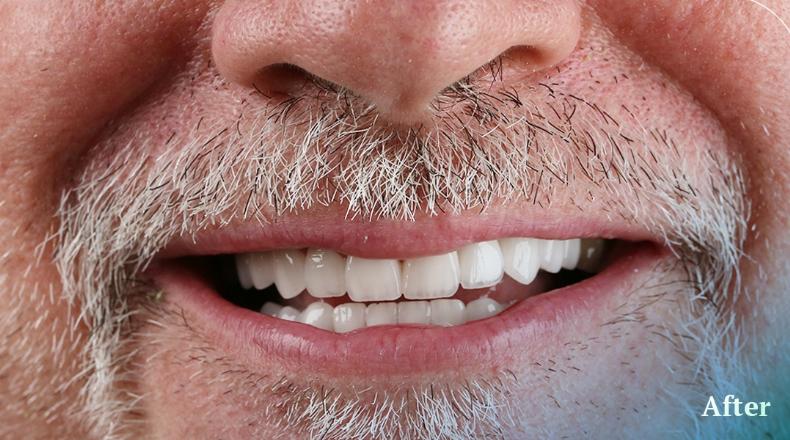
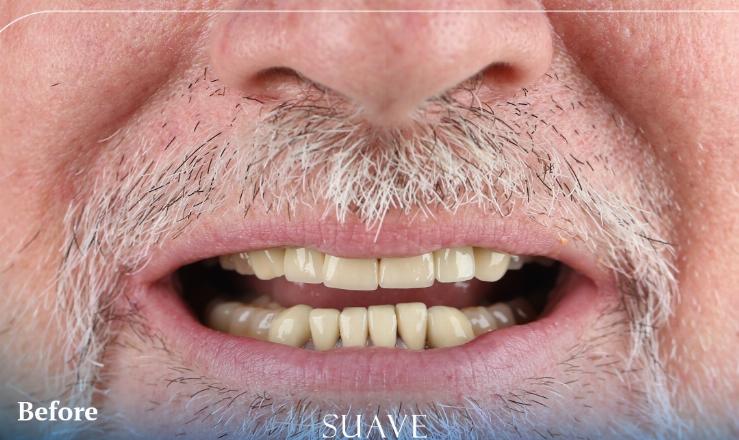
Suave Clinic
Verified clinicFull smile restoration · Istanbul
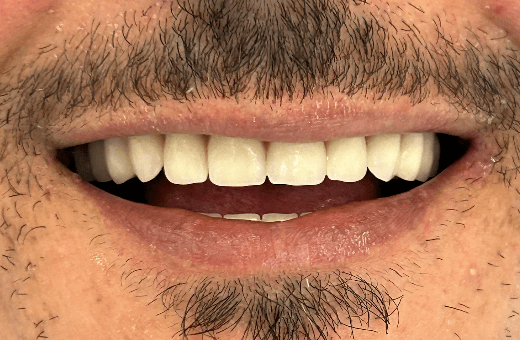
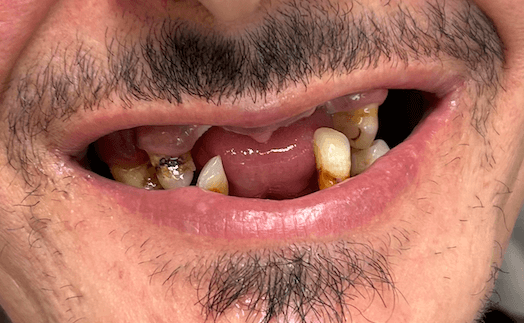
MDental Clinic
Verified clinicFull smile makeover · E-max veneers · Budapest
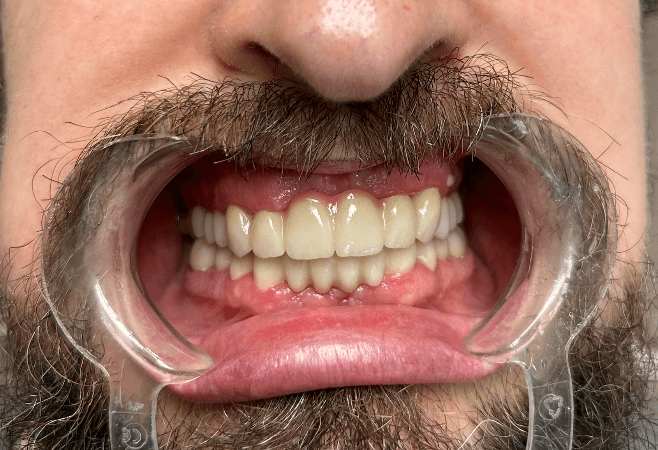
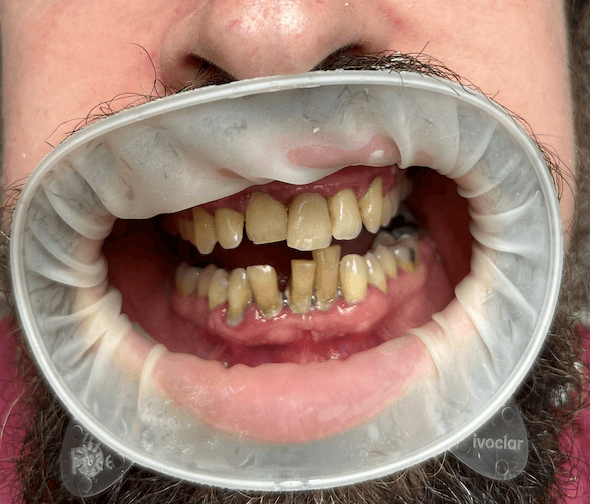
MDental Clinic
Verified clinicCrowns & restoration · Budapest
 Before → After
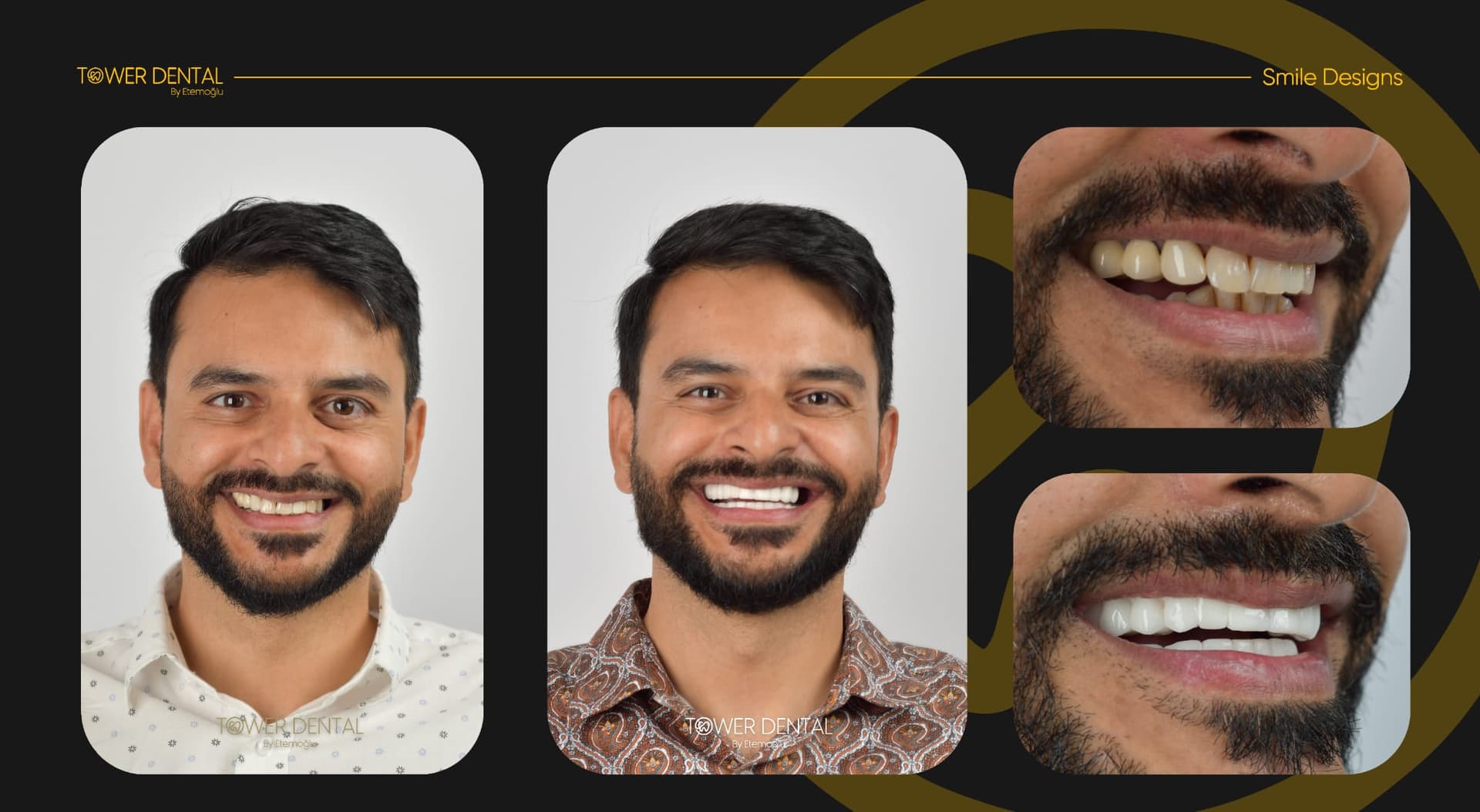
Tower Dental Clinic
Verified clinicHollywood smile · E-max veneers · Istanbul
References & Sources
All clinical claims, pricing data, and statistics in this article are based on peer-reviewed research, official regulatory sources, and publicly verifiable data. We invite you to verify anything before making a treatment decision.
- 1.BBC News, "Turkey teeth: The dental tourism risks patients don't see." February 2023.
- 2.BBC, "Turkey Teeth: Bargain Smiles or Big Mistake?" — documentary investigating dental tourism risks, 2022.
- 3.Euronews, "Medical tourism: Dental expert explains why Turkey teeth can be a costly mistake." October 2024.
- 4.General Dental Council (UK), "Going abroad for dental treatment" — patient guidance.
- 5.British Dental Association (BDA), "Dental tourism: Patients need to know the risks."
- 6.T.C. Saglik Bakanligi (Turkish Ministry of Health), Health Tourism Authorisation Regulations.
- 7.Kontakiotis, E.G. et al. (2015), "A prospective study of the incidence of asymptomatic pulp necrosis following crown preparation," Int. Endod. J., 48(6), 512-517.
- 8.Pjetursson, B.E. et al. (2012), "A systematic review of the survival and complication rates of implant-supported fixed dental prostheses after at least 5 years," Clin. Oral Implants Res., 23(S6), 22-38.
- 9.Sailer, I. et al. (2015), "All-ceramic or metal-ceramic tooth-supported fixed dental prostheses: a systematic review," Dent. Mater., 31(6), 603-624.
- 10.Türkiye Today, "1.5 million health tourists visited Türkiye in 2024, generating $3 billion in revenue." 2025.
Medical disclaimer: This article is for educational purposes and does not replace a clinical examination. Treatment outcomes vary between patients. Always consult a qualified dental professional.

About MyDentalFly
MyDentalFly is a UK-based platform that builds your treatment plan and matches you with vetted specialist clinics abroad — and a dentist at the clinic reviews and confirms every plan before you pay anything.
Our interactive assessment evaluates your dental needs and builds a bespoke package: every treatment explained, a matched clinic with reasons why, your named dentist, flight estimates, transport, and accommodation — all in one place. We maintain a small, vetted network across Turkey, Hungary and Poland, visit clinics in person, help arrange CBCT scans before you fly, and stay with you through the entire journey. Compare. Save. Smile.
Questions Pearl can answer about am i a candidate for implants abroad?
- “Is treatment abroad safe?”
- “What would my case cost?”
- “Which clinic suits me?”
She answers in your own language, using prices from clinics we have checked. No sign-up, and she never asks for a phone number to give you an answer.
Tap a question — Pearl answers
Prefer a person? WhatsApp us · 020 4634 2312 · or
Clinically reviewed before booking
Every dental package built on MyDentalFly is reviewed by a qualified dentist before it gets accepted. Our clinical reviewers include specialists like Dr. Hubert Trępatowski — 800+ All-on-4 procedures, trained under Professor Paulo Malo (pioneer of the All-on-4 technique), graduate of Jagiellonian University Medical Faculty, Krakow.
About the author
Adam Smith
Head of Patient Research, MyDentalFly
Adam leads patient research at MyDentalFly, personally vetting clinics across Turkey, Hungary, and Poland. He has reviewed over 200 clinic proposals, analysed patient outcomes, and helped coordinate treatment plans for patients across the UK, USA, and Europe.
Clinically reviewed by
Dr. Ertan EtemogluLead Dentist & Co-Founder, Tower Dental Clinic
26 years in practice · 8,000+ patients/year · Turkish & American Dental Association member · Featured on Reuters
Content last reviewed: 19 September 2026