Price Changes at the Chair: How to Avoid It
By Adam Smith, Head of Patient Research
Updated 9 June 2026 · Dental tourism researcher · Clinic vetting specialist · 40+ clinics assessed on-site
Clinically reviewed by Dr. Ertan Etemoglu, Lead Dentist & Co-Founder
Tower Dental Clinic, Istanbul · 26 years in practice · 8,000+ patients/year · Turkish & American Dental Association member · Featured on Reuters
About MyDentalFly
We build your treatment plan and match you with vetted specialist clinics in Turkey, Hungary and Poland — and a dentist at the clinic confirms every plan before you pay anything.
Vetted clinics only· Turkey · Hungary · Poland·1,875 verified prices
Pearl, our dental consultant
Pearl
Pearl · online
Hi, I'm Pearl 👋 Ask me anything about the cost of dental treatment abroad — or tell me what you need and I'll build your package.
Try asking about this
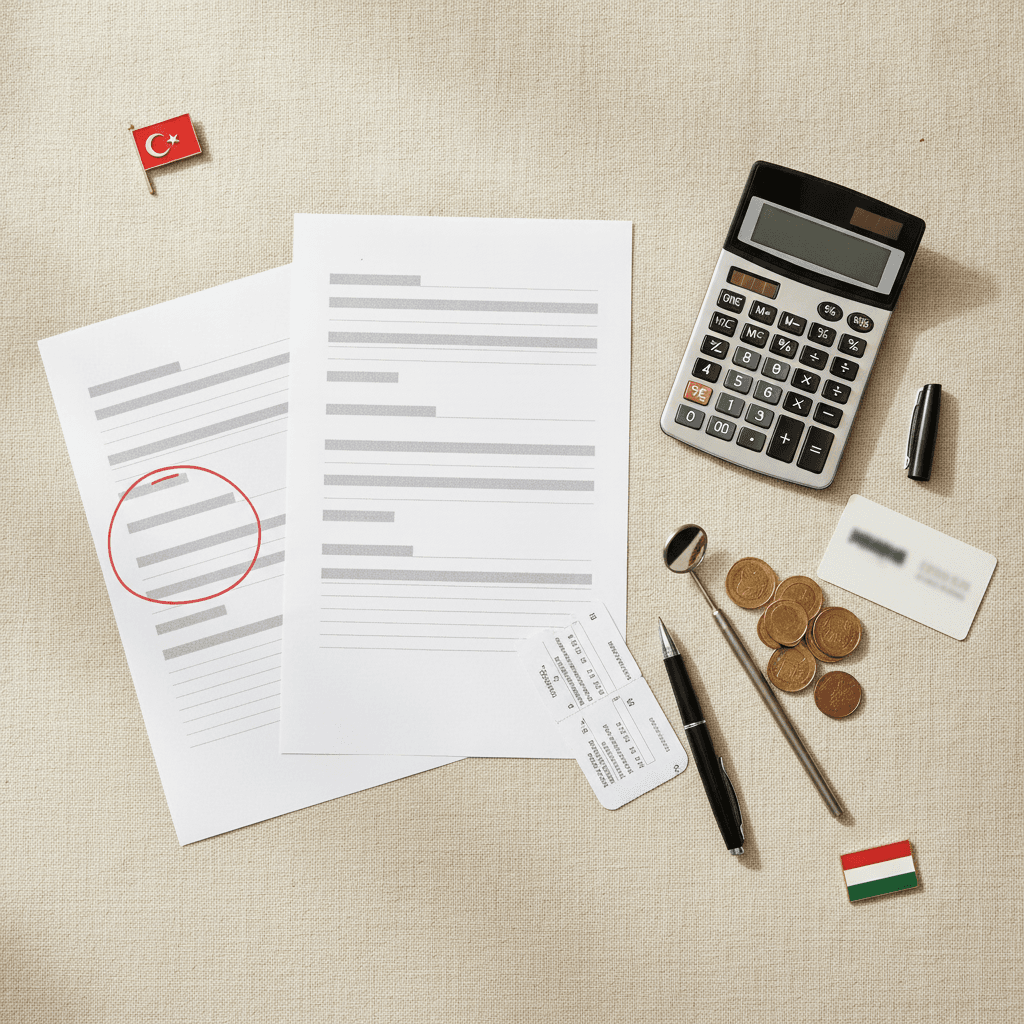
Clinics change prices on arrival more often than you'd think. Here's how to protect yourself.
By Adam Smith, Head of Patient Research at MyDentalFly. Updated June 2026.
One in three dental tourists reports being quoted a different price after arriving at the clinic. Not a small adjustment — in many cases, a 40-80% increase over the original figure. This is the single biggest risk in dental tourism, and it is almost entirely preventable if you know what to look for before you book.
The Three Reasons Prices Change on Arrival
Not every price change is a scam. But the difference between legitimate and predatory is something you need to understand before you hand over your passport at check-in.
1. Genuine clinical findings
A panoramic X-ray shows bone structure in 2D. A CBCT scan shows it in 3D. Some clinics quote from a panoramic and then discover on arrival — via their own CBCT — that you need bone grafts, sinus lifts, or a different implant placement strategy. This is a real clinical scenario, and the additional cost is often justified.
The problem? You should have had that information before you flew.
2. Grey area: material upselling
You were quoted for a standard implant. On arrival, the dentist recommends a premium brand — Nobel Biocare instead of Osstem, say — and the price jumps £200 per tooth. Is the upgrade clinically necessary? Sometimes. Is it presented as if you have no choice? Almost always.
3. Predatory: bait-and-switch
The price was never real. The WhatsApp quote was designed to get you on a plane. Once you are in the chair, in a foreign country, with a hotel booked and flights paid for, you are not going to walk out over an extra £1,500. The clinic knows this. They are counting on it.
Pearl
MyDentalFly’s dental consultant
Something worth doing before you compare any prices: a quote is only comparable if you know what's inside it. The gap between two quotes for 'the same' treatment is usually the parts nobody itemises — the abutments on an implant, the temporary teeth, the follow-up visits. Same headline number, very different job.
Have you been quoted for anything yet?
What That Price Gap Actually Looks Like
To understand why patients travel — and why they are vulnerable when they get there — look at the numbers:
| Treatment | UK Price | Turkey | Hungary |
|---|---|---|---|
| Standard Implant (inc. crown) | £2,950 | £400 | £550 |
| Premium Implant (Nobel/Straumann) | £3,500 | £600 | £800 |
| Zirconia Crown | £850 | £160 | £230 |
| Bone Graft | £800 | £200 | £300 |
| Sinus Lift | £1,200 | £350 | £480 |
| Root Canal | £600 | £120 | £170 |
A patient needing 4 implants, 2 bone grafts, and 4 crowns could save £10,000+ going abroad. That saving is real — we see it across Turkey, Hungary, and Poland consistently. But it also creates enormous pressure to accept whatever happens at the chair, because the alternative is flying home empty-handed.
For a detailed breakdown of how quotes work across countries and clinics, our guide to getting dental quotes for Turkey walks through exactly what to ask for and what each line item should include.
The Medical Condition Problem Nobody Talks About
This is where price changes become dangerous, not just expensive.
A patient with Type 1 diabetes travelled to Istanbul for multiple extractions, root canals, and crowns. They had done everything right: disclosed their diabetes upfront, asked the clinic directly whether they could treat diabetic patients, and received confirmation via WhatsApp that they could.
On arrival, the clinic discovered it could not safely perform the procedure. The anaesthesia protocol they used contained adrenaline and glucose — both contraindicated for T1D patients. The treatment was cancelled. The quoted price for alternative procedures was changed significantly.
While sitting in the waiting room, this patient spoke with other patients. Several described the exact same experience: prices confirmed online, then changed in person.
The patient eventually found a different clinic that treated them within two days, without complications. But the cost of the original clinic's failure was real: additional flights, extra hotel nights, and significant distress during what was already a stressful trip.
"I got quotes ranging from £3,500 to £9,000 for the same work."
This patient did not fail. The system failed them. They asked questions, they disclosed conditions, they did their research. What they lacked was specificity — not "can you treat diabetic patients?" but "what anaesthesia protocol will you use? Will it contain adrenaline? What is your glucose monitoring procedure during sedation?"
If you have diabetes, a heart condition, take blood thinners (warfarin, apixaban), or have any condition that affects anaesthesia or healing, you need the exact clinical protocol in writing. Not reassurance — protocol.
Our Candidacy Checker — a 60-second quiz — flags medical conditions that require special protocols before you start comparing clinics. It is the step most patients skip and most wish they had not.
The Google Review Problem
Here is something most patients do not realise until it is too late: the clinic that changed this patient's price had thousands of positive Google reviews.
The pattern works like this. Treatment finishes. The patient is still in the chair, relieved that it is over, grateful for the attention, possibly still under the residual effects of sedation or local anaesthetic. A staff member hands them a phone or a tablet and asks them to leave a review. Right now. Before they leave.
These reviews capture relief. They do not capture outcomes.
A veneer looks perfect on day one. The question is whether it looks perfect at six months. An implant feels fine when the anaesthetic wears off. The question is whether it integrates properly at three months. A crown fits well on Tuesday. The question is whether it still fits well in December.
"Get everything in writing before you pay."
Reviews written 3-6 months after treatment are the ones that matter. If a clinic's review profile is dominated by reviews written on the same day as treatment — and especially if many of them are suspiciously similar in language — treat that as a data point, not a green light.
How to Protect Yourself Before You Fly
You do not need to become a dentist to avoid this. You need four things:
1. A CBCT scan before you commit
A CBCT (3D cone beam scan) costs £80-£150 at a UK imaging centre. It shows bone density, nerve position, sinus proximity, and root pathology that a panoramic X-ray misses. If your clinic is quoting from a panoramic or from photos, the price will almost certainly change when they see the CBCT.
Get the scan at home. Send it to the clinic. Demand a revised quote based on the CBCT. If the clinic will not review a CBCT before you fly, that tells you everything.
Our Dental Health Report — worth £50 and takes about 2 minutes — gives you a proper assessment including CBCT probability scoring so you know whether additional imaging is likely needed before you book anything.
2. A written quote with change conditions
Not just "4 implants, £2,400". You need:
- Implant brand and model
- Crown material (zirconia, E-max, PFM)
- Whether temporary restorations are included
- Whether medications are included
- Under what specific circumstances the price would change
- What happens if additional work is found on arrival
"Ask what's included — some quotes don't include the temporary veneers or medications."
If the clinic cannot tell you under what circumstances the quote would change, the quote is not real.
3. Explicit medical protocol confirmation
If you have ANY medical condition:
- Ask for the specific anaesthesia agent (articaine, lidocaine, mepivacaine)
- Ask whether it contains adrenaline (epinephrine)
- Ask what monitoring will be used during the procedure
- Ask who on staff is trained in medical emergency response
- Get all of this in an email, not a WhatsApp voice note
4. An intermediary who works for you, not the clinic
"Don't just go for the cheapest quote — you get what you pay for."
This is the part that changes everything. Most patients deal directly with clinic coordinators. Those coordinators work for the clinic. Their incentive is to get you into the chair. They are not going to tell you that the quote might change, or that their anaesthesia protocol is not suitable for your condition, or that a different clinic would be a better fit.
Red Flags vs Green Flags
Walk away if:
- The clinic will not provide an itemised quote with brand names
- They refuse to review your CBCT before you travel
- They pressure you to book quickly ("this price is only valid for 48 hours")
- They cannot name the treating dentist
- They ask for full payment before treatment begins
- Their response to medical questions is "don't worry, we treat everyone"
Signs of a legitimate clinic:
- They request your X-rays or CBCT before quoting
- They name specific implant brands and crown materials
- They itemise each procedure separately
- They explain what would change the price and by how much
- They have a medical screening form that asks detailed questions
- They are willing to have a video call with the treating dentist
Our dental implants Turkey guide breaks down what a legitimate treatment timeline looks like from first enquiry to final crown fitting — including what should happen at each stage and what questions to ask.
How MDF's Model Is Built to Prevent This
Most dental tourism platforms are lead generators. They collect your contact details, pass them to clinics, and disappear. The clinic pays them a referral fee. The platform has no involvement in your treatment, your quote, or your outcome. If the price changes on arrival, that is your problem.
Directories are worse. They list any clinic that pays a listing fee. We have removed 8 clinics from our platform that failed our vetting — including clinics with thousands of positive reviews.
Here is what we do differently:
Your deposit is held by MDF, not the clinic. The £200 deposit sits with us until clinical review is complete and you have approved the treatment plan. If the clinic changes the price without clinical justification, you get your deposit back. The clinic does not get paid until you are satisfied with the plan.
Clinical review before you commit. Every booking goes through review. Your dental records, X-rays, and medical history are assessed against the clinic's proposed treatment plan. If something does not match — if the plan seems too aggressive, if a medical condition has not been properly addressed, if pricing looks inconsistent — we flag it before you fly.
Verified pricing. Clinic prices on our platform are contracted. They cannot change them for individual patients without clinical documentation. No "special offers" that evaporate on arrival.
Intermediary advocacy. If something goes wrong — and sometimes it does, because dentistry is medicine and medicine is unpredictable — we are the phone call you make. Not a chatbot, not a form, not "please email our complaints department". An actual conversation with someone who can contact the clinic on your behalf.
No other dental tourism platform gives you CBCT probability assessment before you fly. Pearl, our AI assistant, can answer questions about specific clinics, treatments, and medical condition protocols — including whether a particular clinic has experience with your condition. The Savings Calculator shows real contracted clinic prices, not WhatsApp estimates that disappear when you land.
Whether you are a UK patient comparing options, a US patient looking at alternatives to domestic pricing, or an EU patient exploring clinics in Turkey or Hungary — the fundamentals are the same. Get the scan, get the protocol, get it in writing, and work with someone whose incentive is to protect you, not to fill a chair.
Is it normal for a dental clinic abroad to change the price after I arrive?
Small adjustments (under 10%) based on clinical findings from a CBCT scan can be legitimate — for example, discovering that bone density is lower than expected and a graft is needed. But significant price changes (30%+) that were not flagged during the quoting process are a red flag. A good clinic will identify most variables from your X-rays before you travel.
What should I do if a clinic changes the price when I am already there?
Do not agree to a higher price under pressure. Ask for a written explanation of what has changed clinically and why it affects the cost. If you booked through MDF, contact us immediately — your deposit is protected and we can intervene. If you booked directly, consider getting a second opinion from another clinic before agreeing.
How do I know if a clinic's Google reviews are trustworthy?
Look at review timing. If most reviews were written on the same day as treatment, they capture relief, not outcomes. Look for reviews written 3-6 months later that mention how the work held up. Check for suspicious patterns: same phrasing, similar star ratings with minimal text, or reviews that do not mention specific procedures. A mix of detailed positive and negative reviews is healthier than a wall of five-star ratings.
Can I get a CBCT scan in the UK and send it to a clinic abroad?
Yes, and you should. Any dental imaging centre in the UK can provide a CBCT scan for £80-£150 without a referral. The file is yours — you can send it to any clinic for review. A clinic that quotes accurately from a CBCT is far less likely to change the price on arrival than one quoting from photos or a 2D panoramic.
What medical conditions are most likely to cause treatment complications abroad?
Type 1 and Type 2 diabetes (affects healing and anaesthesia choices), blood thinning medications (warfarin, apixaban, rivaroxaban — affects bleeding during surgery), heart conditions requiring antibiotic prophylaxis, bisphosphonate medication history (affects bone healing around implants), and bleeding disorders. For any of these, you need the specific clinical protocol in writing — not just "yes, we can treat you".
What your package would look like
Your package, building
ExamplePackage total
building…
—
Real results from verified clinics
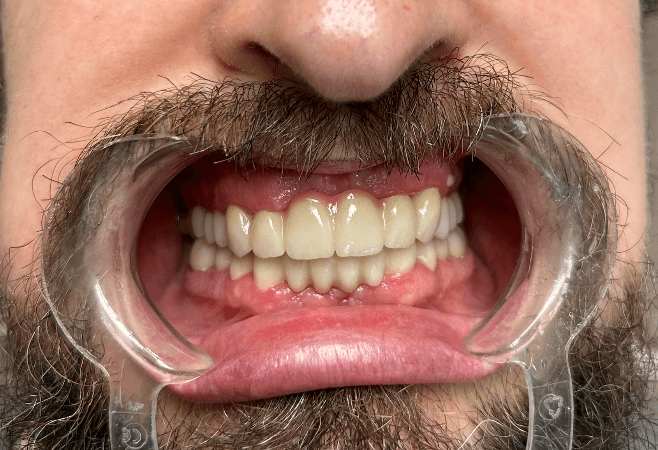
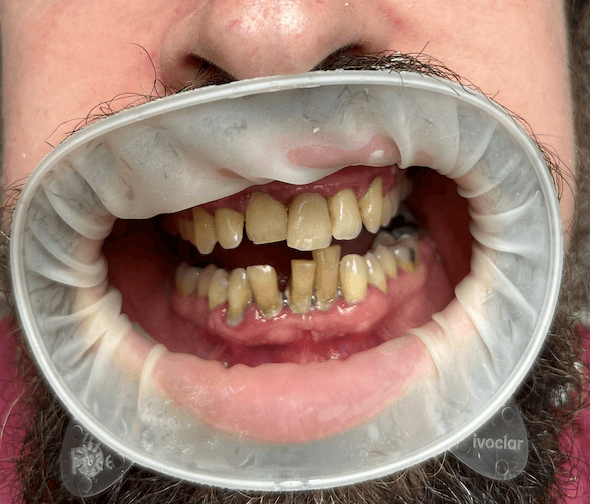
Drag the slider to compare before & after
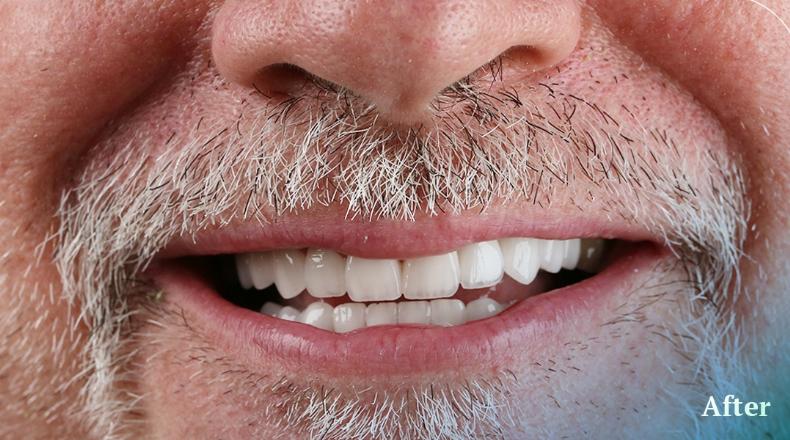
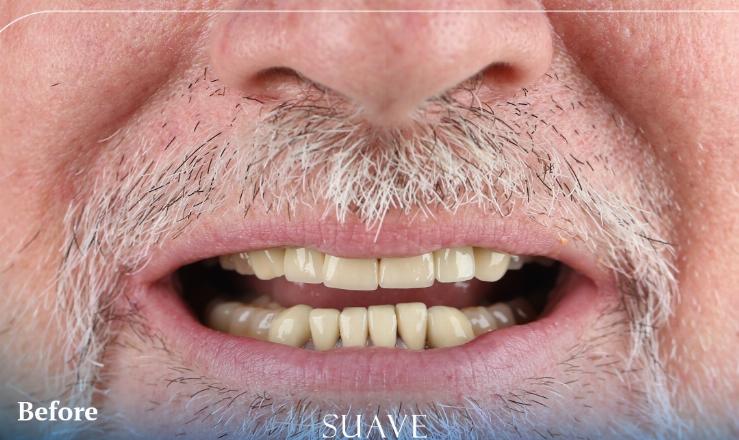
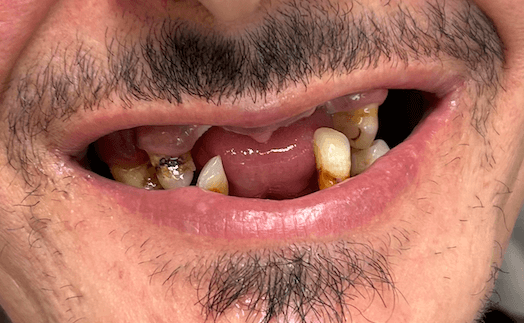
Suave Clinic
Verified clinicFull smile restoration · Istanbul
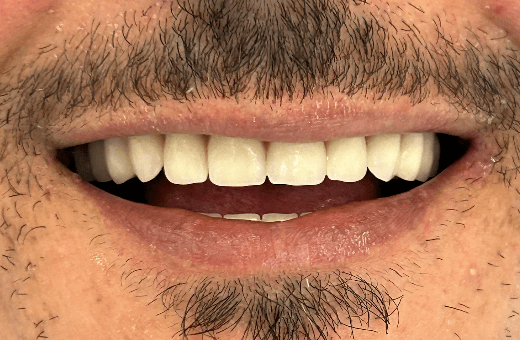
MDental Clinic
Verified clinicFull smile makeover · E-max veneers · Budapest
MDental Clinic
Verified clinicCrowns & restoration · Budapest
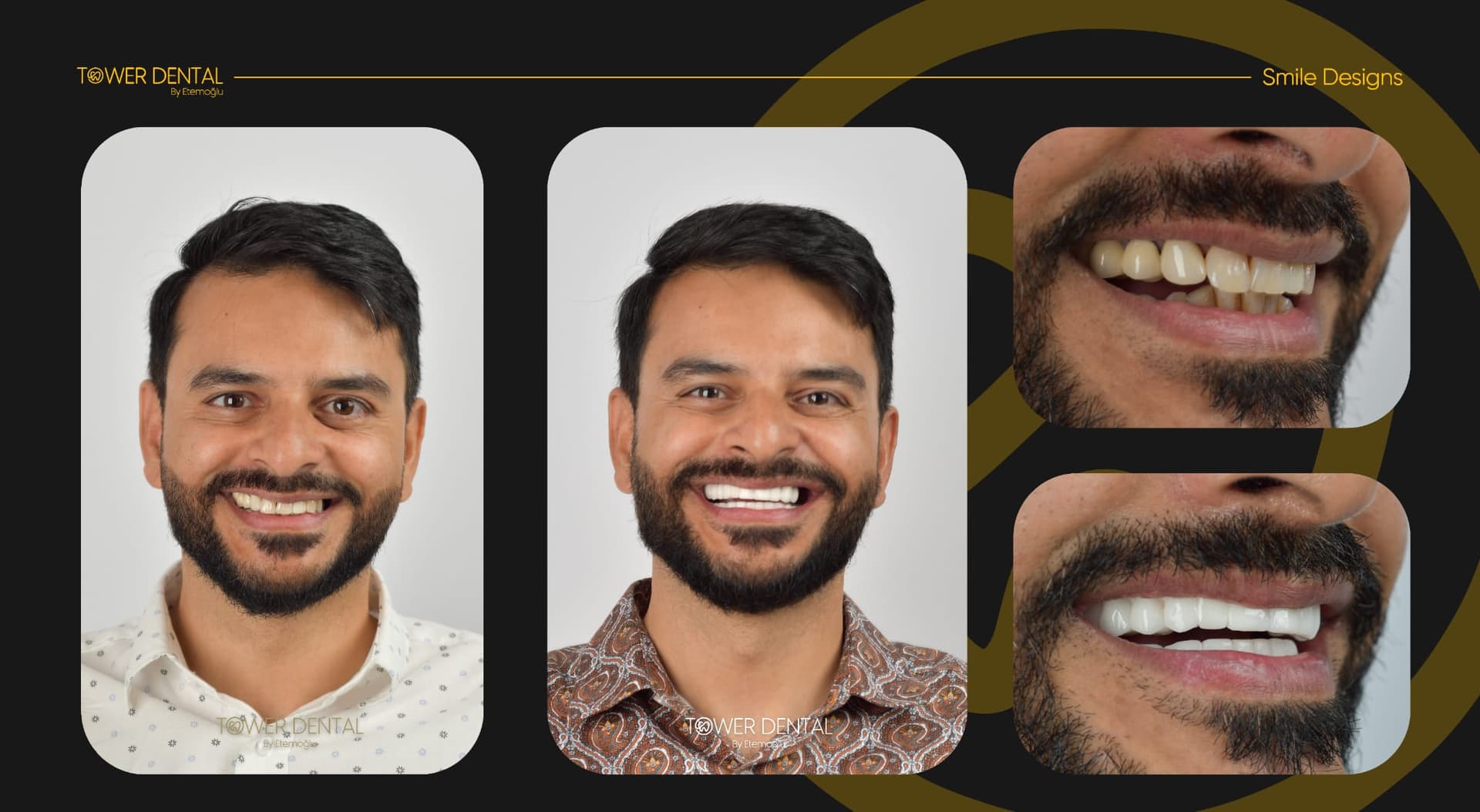 Before → After
Tower Dental Clinic
Verified clinicHollywood smile · E-max veneers · Istanbul
References & Sources
All clinical claims, pricing data, and statistics in this article are based on peer-reviewed research, official regulatory sources, and publicly verifiable data. We invite you to verify anything before making a treatment decision.
- 1.BBC News, "Turkey teeth: The dental tourism risks patients don't see." February 2023.
- 2.BBC, "Turkey Teeth: Bargain Smiles or Big Mistake?" — documentary investigating dental tourism risks, 2022.
- 3.Euronews, "Medical tourism: Dental expert explains why Turkey teeth can be a costly mistake." October 2024.
- 4.General Dental Council (UK), "Going abroad for dental treatment" — patient guidance.
- 5.British Dental Association (BDA), "Dental tourism: Patients need to know the risks."
- 6.T.C. Saglik Bakanligi (Turkish Ministry of Health), Health Tourism Authorisation Regulations.
- 7.Kontakiotis, E.G. et al. (2015), "A prospective study of the incidence of asymptomatic pulp necrosis following crown preparation," Int. Endod. J., 48(6), 512-517.
- 8.Pjetursson, B.E. et al. (2012), "A systematic review of the survival and complication rates of implant-supported fixed dental prostheses after at least 5 years," Clin. Oral Implants Res., 23(S6), 22-38.
- 9.Sailer, I. et al. (2015), "All-ceramic or metal-ceramic tooth-supported fixed dental prostheses: a systematic review," Dent. Mater., 31(6), 603-624.
- 10.Türkiye Today, "1.5 million health tourists visited Türkiye in 2024, generating $3 billion in revenue." 2025.
Medical disclaimer: This article is for educational purposes and does not replace a clinical examination. Treatment outcomes vary between patients. Always consult a qualified dental professional.
About MyDentalFly
MyDentalFly is a UK-based platform that builds your treatment plan and matches you with vetted specialist clinics abroad — and a dentist at the clinic reviews and confirms every plan before you pay anything.
Our interactive assessment evaluates your dental needs and builds a bespoke package: every treatment explained, a matched clinic with reasons why, your named dentist, flight estimates, transport, and accommodation — all in one place. We maintain a small, vetted network across Turkey, Hungary and Poland, visit clinics in person, help arrange CBCT scans before you fly, and stay with you through the entire journey. Compare. Save. Smile.
Questions Pearl can answer about price changes at the chair: how to avoid it
- “Is treatment abroad safe?”
- “What would my case cost?”
- “Which clinic suits me?”
She answers in your own language, using prices from clinics we have checked. No sign-up, and she never asks for a phone number to give you an answer.
Tap a question — Pearl answers
Prefer a person? WhatsApp us · 020 4634 2312 · or
Clinically reviewed before booking
Every dental package built on MyDentalFly is reviewed by a qualified dentist before it gets accepted. Our clinical reviewers include specialists like Dr. Hubert Trępatowski — 800+ All-on-4 procedures, trained under Professor Paulo Malo (pioneer of the All-on-4 technique), graduate of Jagiellonian University Medical Faculty, Krakow.
About the author
Adam Smith
Head of Patient Research, MyDentalFly
Adam leads patient research at MyDentalFly, personally vetting clinics across Turkey, Hungary, and Poland. He has reviewed over 200 clinic proposals, analysed patient outcomes, and helped coordinate treatment plans for patients across the UK, USA, and Europe.
Clinically reviewed by
Dr. Ertan EtemogluLead Dentist & Co-Founder, Tower Dental Clinic
26 years in practice · 8,000+ patients/year · Turkish & American Dental Association member · Featured on Reuters
Content last reviewed: 8 September 2026


