First Time Dental Tourist? Start Here
By Adam Smith, Head of Patient Research
Updated 28 March 2026 · Dental tourism researcher · Clinic vetting specialist · 40+ clinics assessed on-site
Clinically reviewed by Dr. Ertan Etemoglu, Lead Dentist & Co-Founder
Tower Dental Clinic, Istanbul · 26 years in practice · 8,000+ patients/year · Turkish & American Dental Association member · Featured on Reuters

About MyDentalFly
We build your treatment plan and match you with vetted specialist clinics in Turkey, Hungary and Poland — and a dentist at the clinic confirms every plan before you pay anything.
Vetted clinics only· Turkey · Hungary · Poland·1,875 verified prices
Pearl, our dental consultant
Pearl
Pearl · online
Hi, I'm Pearl 👋 Ask me anything about dental treatment abroad — or tell me what you need and I'll build your package.
What I build for you

Smile Analyser
Send one photo. I tell you what I can see.
Try asking about this

Everything first-timers need to know — from choosing a destination to flying home with new teeth. No fluff, just the practical stuff.
You've decided dental work abroad might save you thousands. Now what?
This guide walks you through the entire process — from the moment you start researching to the day you fly home with new teeth. No assumptions about what you already know.
This Guide Is for You If...
- You've never had dental treatment abroad before
- You're seriously considering it but don't know where to start
- You want a clear step-by-step process, not sales pitches
- You're comparing options and need to know what questions to ask
- You've heard horror stories and want to know how to avoid them
Pearl
MyDentalFly’s dental consultant
Something worth knowing while you're reading: almost every dental decision comes down to two things a price list can't tell you — what condition the surrounding teeth and bone are in, and how permanent you want the result to be. Those are what make two people's treatment for the 'same' problem look completely different.
What's brought you here today?
This Guide Is NOT for You If...
- You've already booked a clinic and want treatment-specific advice — see our implant guide or veneer guide instead
- You need emergency dental care — see your local dentist today
- You want cosmetic-only work under £500 — the travel costs won't make it worthwhile
Step 1: Understand What You Need
Before comparing clinics or destinations, get clear on your dental situation.
Option A: See your local dentist first. Get a treatment plan and quote. This gives you a baseline to compare against. You don't have to commit to anything — you're gathering data.
Option B: Use an online assessment. MyDentalFly's dental assessment lets you mark problem teeth on an interactive chart, answer health questions, and receive treatment recommendations — all before speaking to any clinic. This works well if you haven't seen a dentist in years and want a starting point.
Option C: Do both. Best approach. A local exam plus a remote assessment from abroad gives you two independent opinions. If they agree, you can move forward confidently.
What you need to know before researching clinics:
- Which teeth need work (specific tooth numbers or areas)
- What type of work (implants, crowns, veneers, extraction + replacement)
- Whether you have any existing conditions (gum disease, bone loss, previous root canals)
- Your budget range (including travel)
Step 2: Choose Your Destination
Five countries dominate dental tourism. Each has strengths.
| Destination | Best For | Flight from UK | Typical Savings |
|---|---|---|---|
| Turkey (Istanbul, Antalya) | Implants, veneers, full-mouth work | 4 hours | 60-70% |
| Hungary (Budapest) | Implants, crowns, European standard | 2.5 hours | 50-60% |
| Poland (Warsaw, Krakow) | Crowns, bridges, general dentistry | 2.5 hours | 40-50% |
| Spain (Barcelona, Valencia) | Implants, cosmetic work | 2 hours | 30-40% |
| Dubai | Premium cosmetic work, veneers | 7 hours | 20-40% |
Turkey has the largest dental tourism infrastructure and the lowest prices. It's where most first-timers go, and for good reason — hundreds of accredited clinics, English-speaking staff, and well-established patient pathways.
Hungary is the European alternative. Higher prices than Turkey but closer to the UK and within the EU. Popular with patients who prefer a European healthcare framework.
For detailed price comparisons, see our Turkey vs UK or Turkey vs Hungary breakdowns.
Step 3: Get Quotes (The Right Way)
Don't message 15 clinics on Instagram. That's how you get overwhelmed and make a bad decision.
Better approach:
- Complete a dental assessment (local dentist, online, or both)
- Share your X-rays and treatment needs with 2-3 clinics
- Receive itemised treatment plans (not ballpark estimates)
- Compare like-for-like: same treatment, same materials, same inclusions
What a proper quote should include:
- Every procedure listed by name
- Material/brand specifications (e.g., "Nobel Biocare Parallel CC implant" not just "implant")
- Lab work costs (crowns, bridges, temporary teeth)
- Any additional procedures (bone graft, sinus lift, extractions)
- What's included in the price (accommodation, transfers, follow-ups)
- Guarantee terms
Red flag quotes:
- Single total number with no itemisation
- "From £X" pricing (the final price will be higher)
- No brand names specified
- Pressure to book within 48 hours
"Don't just go for the cheapest quote — you get what you pay for. I picked a mid-range clinic with great Google reviews and my experience was excellent."
Step 4: Vet Your Clinic
This is the most important step. Spend more time here than anywhere else.
Check accreditation. JCI (Joint Commission International) is the gold standard. ISO 9001 certification is also good. Turkish Ministry of Health licensing is the minimum. If a clinic can't show you any accreditation, move on.
Read real reviews. Google Reviews (200+ reviews averaging 4.5+), Trustpilot, dental tourism forums. Look for reviews that mention:
- Specific dentist names
- Specific procedures
- Complications and how they were handled
- Aftercare experience
Verify the dentist. Ask for the name and qualifications of your treating dentist. Look them up. Where did they train? How many years of experience? Do they specialise in your treatment type?
Test their communication. Send a detailed enquiry. How fast do they respond? How thorough is the response? Do they ask about your medical history? A clinic that takes 5 days to reply to a pre-booking enquiry will take 10 days to reply when you have a post-treatment concern.
Ask about complications. "What happens if something goes wrong?" The answer tells you everything. Good clinics have clear protocols: remote assessment via photos, local partner dentists for emergencies, free corrective work under guarantee. Bad clinics give vague reassurances.
Step 5: Plan Your Trip
How long to stay:
- Veneers (6-10): 5-7 days (two visits: preparation + bonding)
- Single implant: 3-5 days
- Multiple implants: 5-7 days
- All-on-4: 5-8 days
- Full mouth restoration: 7-10 days
What to book:
- Flights (6-8 weeks ahead for best prices)
- Accommodation near the clinic (ask the clinic for recommendations)
- Travel insurance (get specialist cover if available)
- Airport transfers (often included by the clinic)
What to bring:
- All dental records and X-rays (digital copies on your phone)
- Complete medication list
- Comfortable clothes (you'll be recovering, not sightseeing for the first few days)
- Entertainment (podcasts, books, streaming downloads for hotel recovery time)
What NOT to do:
- Don't book a packed sightseeing schedule for the same week
- Don't fly home the day after major treatment
- Don't forget to tell someone at home your clinic's contact details
Step 6: The Treatment (What Actually Happens)
Day 1: Consultation and scans. You arrive at the clinic. They take a 3D panoramic X-ray (CBCT scan), examine your teeth, and confirm the treatment plan. If anything differs from the remote plan, they explain why and you agree before proceeding. No surprises.
Day 1-2: Treatment begins. Depending on your procedure: extractions, implant placement, tooth preparation for veneers/crowns. If you need sedation, this is discussed and administered by an anaesthetist.
Day 2-5: Lab work and fittings. For crowns and veneers, the dental lab creates your restorations. You'll have temporary teeth during this period. You try on the finals, check the fit, colour, and shape. If anything isn't right, it goes back to the lab for adjustment. Don't accept teeth you're not happy with — this is your last chance before bonding.
Final day: Completion and aftercare briefing. Final restorations bonded, bite checked, aftercare instructions given. You receive your treatment records, implant certificates (if applicable), and guarantee documentation.
"Communication was excellent before I arrived but follow-up after returning home was poor" — this is the most common complaint. Before you leave, confirm exactly how to reach your clinic post-treatment and what response time to expect.
Step 7: Aftercare at Home
First 2 weeks:
- Follow medication schedule exactly (antibiotics, painkillers, mouthwash)
- Soft foods only (soups, smoothies, mashed potatoes, yoghurt)
- No smoking, no drinking through straws, no vigorous rinsing
- Take photos if anything concerns you — send to your clinic via WhatsApp or their portal
First month:
- Schedule a check-up with your local dentist (bring all treatment records)
- Gradually return to normal foods
- Report any unusual pain, swelling, or looseness to your clinic immediately
Long-term:
- Regular dental check-ups every 6 months (local dentist)
- Daily flossing around implants and under bridges
- Keep your clinic's contact details permanently — you may need them for guarantee claims years later
What First-Timers Worry About Most (And Shouldn't)
"Will the quality be as good?" At accredited clinics using named brands, yes. Turkish dentists use the same Nobel Biocare implants, the same Ivoclar e-max ceramics, the same everything. The quality difference is between good and bad clinics — not between countries.
"What if I can't communicate?" English is the working language of dental tourism. Staff at international clinics speak English daily. Medical terminology is consistent across languages. Translation apps handle the rest.
"What if there's a problem after I fly home?" This is the legitimate concern. Mitigate it by: choosing a clinic with written guarantees, keeping all documentation, establishing a communication channel before you leave, and having a local dentist lined up for monitoring.
"Is it legal?" Yes. There are no laws in any country preventing you from seeking medical or dental treatment abroad. Your NHS or private dental care at home continues as normal.
Ready to start? Take the dental assessment to understand your treatment needs and get personalised clinic recommendations.
Related: Dental Tourism: Step-by-Step Timeline
Related: 5 Questions Before Booking Dental Abroad
Related: Best Country for Dental Implants (2026 Comparison)
See also: All-on-4 Guide
Next Steps
The dental assessment is the best first step — 2 minutes, from your sofa, no commitment. It tells you what you need and matches you with verified clinics. From there, your dental tourism consultant handles everything — flights timing, clinic coordination, deposit protection. Most dental tourism directories leave you on your own. We don't.
Guide: Dental Tourism from UK Guide
What your package would look like
Your package, building
ExamplePackage total
building…
—
Real results from verified clinics
Drag the slider to compare before & after
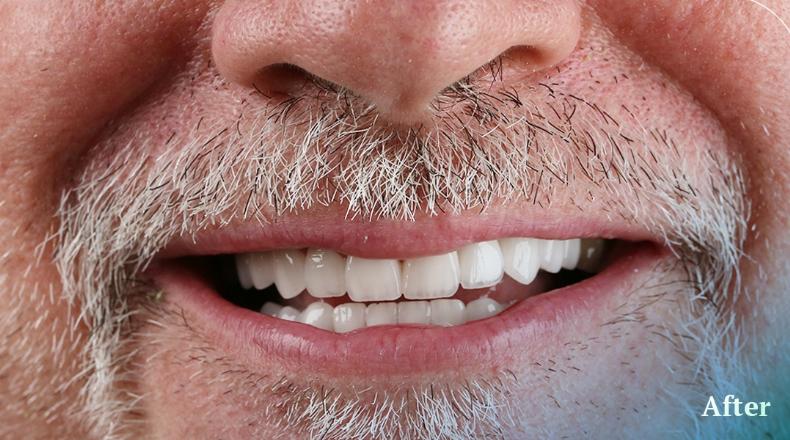
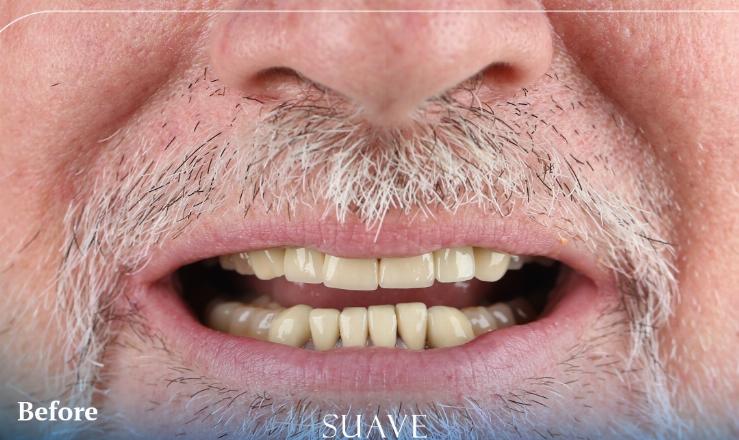
Suave Clinic
Verified clinicFull smile restoration · Istanbul
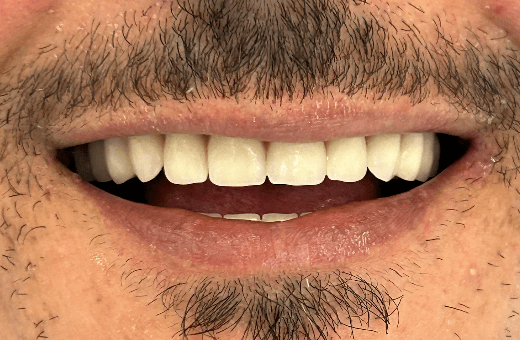
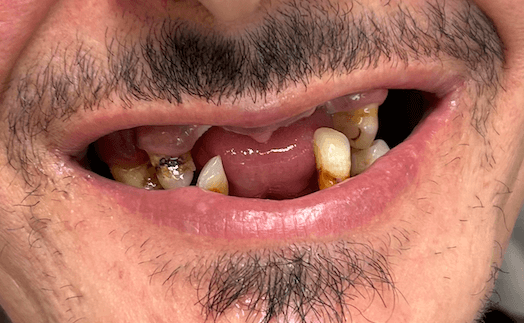
MDental Clinic
Verified clinicFull smile makeover · E-max veneers · Budapest
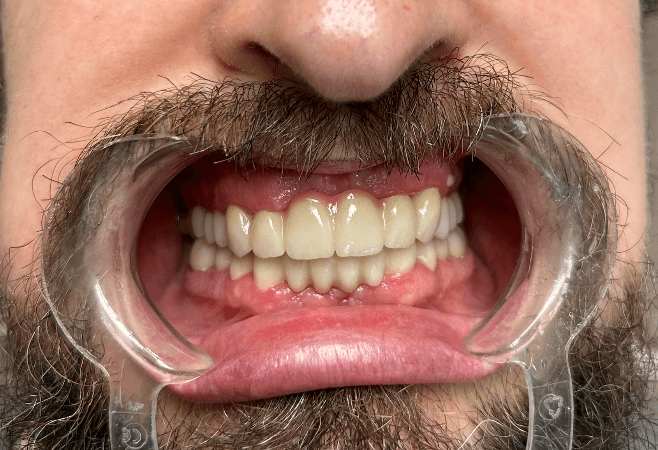
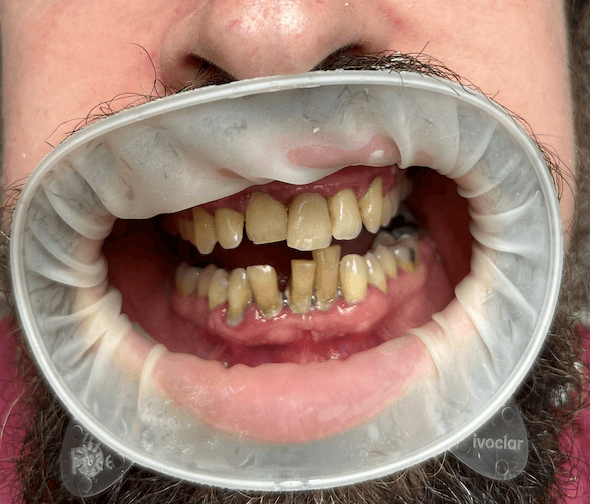
MDental Clinic
Verified clinicCrowns & restoration · Budapest
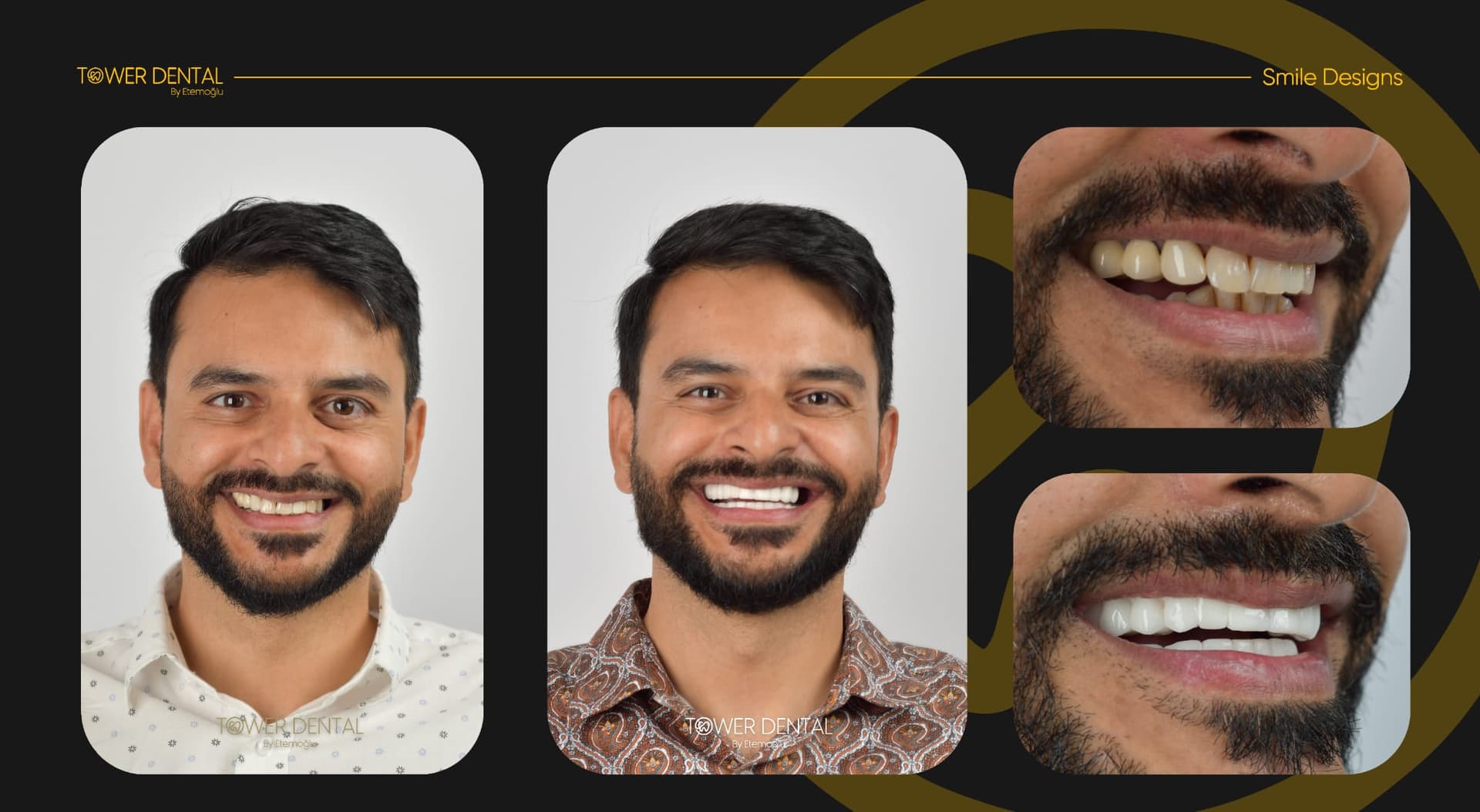 Before → After
Tower Dental Clinic
Verified clinicHollywood smile · E-max veneers · Istanbul
References & Sources
All clinical claims, pricing data, and statistics in this article are based on peer-reviewed research, official regulatory sources, and publicly verifiable data. We invite you to verify anything before making a treatment decision.
- 1.BBC News, "Turkey teeth: The dental tourism risks patients don't see." February 2023.
- 2.BBC, "Turkey Teeth: Bargain Smiles or Big Mistake?" — documentary investigating dental tourism risks, 2022.
- 3.Euronews, "Medical tourism: Dental expert explains why Turkey teeth can be a costly mistake." October 2024.
- 4.General Dental Council (UK), "Going abroad for dental treatment" — patient guidance.
- 5.British Dental Association (BDA), "Dental tourism: Patients need to know the risks."
- 6.T.C. Saglik Bakanligi (Turkish Ministry of Health), Health Tourism Authorisation Regulations.
- 7.Kontakiotis, E.G. et al. (2015), "A prospective study of the incidence of asymptomatic pulp necrosis following crown preparation," Int. Endod. J., 48(6), 512-517.
- 8.Pjetursson, B.E. et al. (2012), "A systematic review of the survival and complication rates of implant-supported fixed dental prostheses after at least 5 years," Clin. Oral Implants Res., 23(S6), 22-38.
- 9.Sailer, I. et al. (2015), "All-ceramic or metal-ceramic tooth-supported fixed dental prostheses: a systematic review," Dent. Mater., 31(6), 603-624.
- 10.Türkiye Today, "1.5 million health tourists visited Türkiye in 2024, generating $3 billion in revenue." 2025.
Medical disclaimer: This article is for educational purposes and does not replace a clinical examination. Treatment outcomes vary between patients. Always consult a qualified dental professional.

About MyDentalFly
MyDentalFly is a UK-based platform that builds your treatment plan and matches you with vetted specialist clinics abroad — and a dentist at the clinic reviews and confirms every plan before you pay anything.
Our interactive assessment evaluates your dental needs and builds a bespoke package: every treatment explained, a matched clinic with reasons why, your named dentist, flight estimates, transport, and accommodation — all in one place. We maintain a small, vetted network across Turkey, Hungary and Poland, visit clinics in person, help arrange CBCT scans before you fly, and stay with you through the entire journey. Compare. Save. Smile.
Questions Pearl can answer about first time dental tourist? start here
- “Is treatment abroad safe?”
- “What would my case cost?”
- “Which clinic suits me?”
She answers in your own language, using prices from clinics we have checked. No sign-up, and she never asks for a phone number to give you an answer.
Tap a question — Pearl answers
Prefer a person? WhatsApp us · 020 4634 2312 ·
Clinically reviewed before booking
Every dental package built on MyDentalFly is reviewed by a qualified dentist before it gets accepted. Our clinical reviewers include specialists like Dr. Hubert Trępatowski — 800+ All-on-4 procedures, trained under Professor Paulo Malo (pioneer of the All-on-4 technique), graduate of Jagiellonian University Medical Faculty, Krakow.
About the author
Adam Smith
Head of Patient Research, MyDentalFly
Adam leads patient research at MyDentalFly, personally vetting clinics across Turkey, Hungary, and Poland. He has reviewed over 200 clinic proposals, analysed patient outcomes, and helped coordinate treatment plans for patients across the UK, USA, and Europe.
Clinically reviewed by
Dr. Ertan EtemogluLead Dentist & Co-Founder, Tower Dental Clinic
26 years in practice · 8,000+ patients/year · Turkish & American Dental Association member · Featured on Reuters
Content last reviewed: 28 March 2026