Turkey is the world's most popular destination for cosmetic dental veneers, offering premium materials like E-max and porcelain at a fraction of Western prices. This guide covers veneer types, the clinical process, realistic expectations, and how to choose the right clinic for your smile makeover.
£180-300
Per tooth in Turkey
60-75%
Savings vs home country
15-20 yrs
Veneer longevity
5-7 days
Typical trip duration
At a glance
£180-350 per veneer (vs £500-1,000 UK)
95-99% success rate for E-max veneers
Same materials: IPS e.max, feldspathic porcelain
5-7 day trip (preparation + lab + fitting)
Covers: E-max, porcelain, composite, Hollywood Smile
We build your treatment plan and match you with vetted specialist clinics in Turkey, Hungary and Poland — and a dentist at the clinic confirms every plan before you pay anything.
Hi, I'm Pearl 👋 Ask me anything about veneers abroad — or tell me what you need and I'll build your package.
What I build for you
Prefer another language?
gap
worn
shade
Smile Analyser
Send one photo. I tell you what I can see.
Try asking about this
What Are Dental Veneers?
A single porcelain veneer costs £180-280 in Turkey compared to £500-1,000 in the UK, $800-2,500 in the USA, and €450-900 in Europe. A full set of 20 veneers (Hollywood Smile) costs £2,800-4,500 in Turkey versus £10,000-20,000 in the UK — a saving of 65-80%. These prices are based on 2026 data from 29 verified clinics on MyDentalFly, using the same E-max and porcelain materials available in Western practices.
Modern veneers are fabricated from advanced ceramic materials -- most commonly lithium disilicate (marketed as E-max by Ivoclar Vivadent) or traditional layered porcelain. These materials closely replicate the translucency and light-reflecting properties of natural tooth enamel, producing results that look natural rather than artificial. The best veneer work is virtually indistinguishable from healthy natural teeth.
The veneer process has been refined significantly over the past decade. Digital smile design software allows patients to preview their expected results before any tooth preparation begins. CAD/CAM technology enables same-day milling of veneers in many clinics. And minimal-preparation and no-preparation techniques now allow some patients to receive veneers with little or no reduction of their natural tooth structure, preserving more of the original tooth.
Best for: People with healthy teeth who want to improve their smile — discolouration, chips, gaps, uneven teeth, or a full Hollywood Smile makeover.
Key Insight
E-max veneers from leading brands like IPS e.max are manufactured in Liechtenstein by Ivoclar — the same product whether fitted in London or Istanbul. The difference is the fitting cost, not the material.
Types of Treatment
E-max Veneers (Lithium Disilicate)
£180-280 per tooth in Turkey
E-max is the leading brand of lithium disilicate ceramic, manufactured by Ivoclar Vivadent (Liechtenstein). E-max veneers are widely regarded as the best all-round material for cosmetic veneers due to their exceptional combination of strength, translucency, and natural appearance. They are pressed or milled from a single block of ceramic, producing a dense, uniform structure with excellent durability. E-max veneers can be made as thin as 0.3mm in some cases, allowing for minimal tooth preparation. They are the most requested veneer material in both Turkey and Western clinics.
Porcelain Veneers (Feldspathic / Layered)
£200-300 per tooth in Turkey
Traditional porcelain veneers are hand-layered by a skilled ceramist, building up the veneer layer by layer to create natural colour gradients, translucency patterns, and surface texture. While more labour-intensive than pressed E-max, layered porcelain achieves the most lifelike aesthetic results when crafted by a talented technician. These veneers are ideal for patients who want the most natural-looking result, particularly for front teeth where light transmission is most visible. They are slightly less strong than E-max and require a highly skilled laboratory.
Composite Veneers (Direct)
£80-130 per tooth in Turkey
Composite veneers are made from tooth-coloured resin material applied directly to the tooth surface by the dentist, sculpted, shaped, and polished in a single appointment. They require minimal or no tooth preparation and are fully reversible. Composite veneers are significantly less expensive than ceramic options and can produce good cosmetic results for mild to moderate concerns. However, they are less durable (typically lasting 5-7 years versus 15-20 for ceramics), more prone to staining, and cannot match the translucency or longevity of E-max or porcelain.
Hollywood Smile Package (8-10 Veneers)
£1,800-3,000 for 8-10 teeth in Turkey
The Hollywood Smile is a full smile makeover package typically covering the 8-10 teeth visible when you smile (upper arch, sometimes both arches). The package includes a digital smile design consultation, preparation of all teeth, and fabrication and bonding of matched veneers to create a uniform, bright, symmetrical smile. Hollywood Smile packages in Turkey usually use E-max veneers as the standard material. This is the most popular cosmetic dental treatment among international patients visiting Turkey, particularly those seeking a complete smile transformation.
Success Rates & Risks
95-99%
overall success rate across major clinical studies
Success by case type
E-max veneers on healthy teeth97-99%
Porcelain veneers (feldspathic)95-98%
Composite veneers90-95%
Veneers on root-canal-treated teeth85-92%
Hollywood Smile (10-20 veneers)95-98%
Why implants fail
Debonding (veneer comes off)
2-5% within 10 years
The adhesive bond between the veneer and tooth surface weakens over time, especially if the bite alignment is off or the patient grinds their teeth. The veneer usually stays intact and can be re-bonded.
Chipping or fracture
4-8% within 10 years
Porcelain veneers can chip from biting hard objects (ice, pens, nails) or from trauma. Thin veneers on teeth with heavy bite forces are more vulnerable. Small chips can sometimes be polished; larger fractures require replacement.
Shade mismatch over time
5-10% noticeable after 5+ years
Natural teeth around the veneers may darken with age, staining, or diet while the veneers stay the same shade. This can create a visible mismatch. Whitening the natural teeth can help, or the veneers may need updating.
Complication rates
Complication
Frequency
Severity
Temporary sensitivity to hot/cold
30-50%
mild
Gum irritation around veneer margins
5-15%
mild
Nerve inflammation (rare, with deep preparation)
1-3%
moderate
Veneer fracture requiring replacement
2-4%
moderate
Need for root canal after preparation
<2%
serious
Based on data from the Journal of Prosthetic Dentistry (2023), British Dental Journal systematic reviews, and International Journal of Prosthodontics 15-year outcome studies.
Are You a Candidate?
Ideal candidates
Healthy teeth with intact enamel (veneers bond best to natural enamel)
Cosmetic concerns: discolouration, minor chips, gaps, or uneven teeth
Stable bite alignment — no severe malocclusion or TMJ issues
Good oral hygiene habits and willingness to maintain them
Realistic expectations about colour, shape, and longevity
Non-smoker or light smoker (smoking stains margins over time)
Minimum requirements
Enough natural enamel remaining for veneer bonding
No active cavities or untreated gum disease
Stable bite — severe bite problems need orthodontics first
Age 18+ (jaw growth must be complete)
Contraindications
Caution
Severe bruxism (teeth grinding)
Heavy grinding generates forces that crack porcelain. If you grind, your dentist may recommend crowns instead (full coverage, stronger) or require a night guard. Some patients get veneers with a mandatory night guard.
Caution
Insufficient enamel (heavily worn or eroded teeth)
Veneers bond to enamel, not dentine. If most of the enamel is worn away, the bond is weaker and failure rates increase. Your dentist may suggest crowns for better coverage and retention.
Not suitable
Active gum disease
Inflamed or receding gums will compromise the veneer margins and aesthetics. Gum disease must be treated and stabilised first. Veneer placement on unhealthy gums leads to poor margins and early failure.
Caution
Large existing fillings or root canals
Teeth with large fillings have less enamel for bonding. Root-canal-treated teeth are more brittle. Your dentist may recommend crowns for these teeth instead of veneers.
Health conditions that affect outcomes
Teeth grinding (bruxism)Higher fracture risk. Night guard mandatory. Consider zirconia (stronger) over e.max.
Acid reflux (GERD)Stomach acid erodes enamel behind veneers. Must be managed with medication before proceeding.
Eating disordersPurging causes severe enamel erosion. Veneers should not be placed until the condition is managed.
Price Comparison: Turkey vs Home Country
Prices shown in native currencies. Turkey prices in GBP.
UK average
Turkey price
E-max Veneer (per tooth)
Save 74%
UK
£1,000
Tur
£262
Porcelain Veneer (per tooth)
Save 75%
UK
£900
Tur
£222
Composite Veneer (per tooth)
Save 66%
UK
£400
Tur
£135
Hollywood Smile (8-10 Veneers)
Save 71%
UK
£7,500
Tur
£2,163
Treatment
UK
USA
Europe
UAE
UK
Turkey
Saving
E-max Veneer (per tooth)
£1,000
$1,800
€1,100
AED 4,500
£1,000
£262
74%
Porcelain Veneer (per tooth)
£900
$1,500
€1,000
AED 4,000
£900
£222
75%
Composite Veneer (per tooth)
£400
$600
€450
AED 1,500
£400
£135
66%
Hollywood Smile (8-10 Veneers)
£7,500
$15,000
€8,500
AED 30,000
£7,500
£2,163
71%
Zirconia Crown
£850
$1,400
€950
AED 3,800
£850
£179
79%
E-max Crown
£900
$1,500
€1,000
AED 4,000
£900
£225
75%
Pearl
MyDentalFly’s dental consultant
The bit that matters most and gets discussed least: veneers and crowns are not the same treatment. A veneer is a thin facing that keeps most of your own tooth; a crown means the tooth is reduced right down first, and that can't be undone. A lot of very cheap 'veneer' packages abroad are actually crowns.
What are you hoping to change?
What Can Go Wrong
Complication rates, how likely each is, and how clinics handle them
What Can Go Wrong
Tooth sensitivity after preparation
30-50% (temporary)Preventable
Removing enamel exposes the dentine layer, which is more sensitive to temperature. Most patients experience sensitivity for 1-4 weeks after preparation, especially with cold drinks.
How clinics handle this:
Sensitivity toothpaste (Sensodyne) and avoiding extreme temperatures for the first month. Persistent sensitivity beyond 6 weeks may indicate nerve irritation — contact your dentist.
Veneer chips or cracks
2-4% within 5 yearsPreventable
Porcelain is strong in compression but brittle under point loading. Biting hard objects, using teeth as tools, or bruxism without a night guard can cause chips.
How clinics handle this:
Small chips can be polished smooth. Larger fractures require the veneer to be replaced — the tooth underneath is fine. Replacement cost: £150-250 per veneer in Turkey.
Veneer debonding (comes off)
2-5% within 10 yearsPreventable
The cement bond between veneer and tooth fails. More likely if preparation was minimal (less mechanical retention) or if the patient grinds their teeth.
How clinics handle this:
The veneer is usually intact and can be re-cemented in a single appointment. If the veneer broke during debonding, a new one is fabricated (3-5 days in Turkey).
Need for root canal after preparation
<2% of prepared teethPreventable
In rare cases, removing enamel irritates the nerve enough to cause irreversible inflammation. The tooth develops a persistent ache or sensitivity that doesn't resolve.
How clinics handle this:
Root canal treatment is performed, and the veneer can stay in place or be replaced afterwards. This is rare with minimal-prep and no-prep techniques.
If something goes wrong after you return home
MyDentalFly provides direct messaging with your clinic through our patient portal. If a veneer chips, cracks, or comes off after you return home, message your clinic with a photo. They will advise whether it needs urgent attention or can wait. If your clinic doesn't respond promptly, we intermediate on your behalf. For temporary protection, your local dentist can re-cement a loose veneer or apply a temporary cover.
Most verified clinics offer 3-5 year guarantees on porcelain veneers and 1-2 years on composite veneers. If a veneer fails within the guarantee period due to a manufacturing or bonding defect, the clinic replaces it at no cost (you cover travel only).
The Process: Step by Step
1
Online Consultation and Smile Design
1-5 days
You submit photos of your current smile (front, side, and close-up) along with a questionnaire describing your goals and any concerns. Our system, combined with your chosen clinic's cosmetic team, provides an initial assessment of your suitability for veneers, the recommended veneer type, and a preliminary quote. Some clinics provide a digital smile design preview at this stage, showing you an approximation of how your new smile could look.
2
Clinic Selection and Booking
1-7 days
Compare clinics based on their veneer specialisation, laboratory capabilities (in-house vs. external), ceramist qualifications, before-and-after galleries, and patient reviews. Veneer quality depends heavily on the laboratory and ceramist, so look for clinics with dedicated cosmetic dentistry teams and on-site CAD/CAM or master ceramist partnerships. Secure your booking with a deposit and receive your travel and appointment schedule.
3
Arrival and In-Person Smile Design
Day 1
At your first appointment, the cosmetic dentist performs a thorough examination, takes digital impressions and photographs, and conducts a detailed smile design session. Using software (often DSD -- Digital Smile Design), the dentist maps your facial proportions, lip line, gum line, and tooth positions to create a customised design for your veneers. You review and approve the design, and in many clinics you will see a physical mock-up (temporary veneers) placed on your teeth so you can evaluate the shape and size in person before committing.
4
Tooth Preparation
Day 1-2
Once you approve the design, the dentist prepares your teeth. For traditional veneers, a thin layer of enamel (typically 0.3-0.7mm) is removed from the front surface to create space for the veneer. For minimal-prep or no-prep cases, little or no enamel is removed. Preparation is done under local anaesthesia and is not painful. Digital or physical impressions are taken and sent to the laboratory. Temporary veneers are placed to protect your teeth and give you an idea of the final appearance while the permanent veneers are being fabricated.
5
Veneer Fabrication
1-5 days
The laboratory fabricates your veneers according to the approved design. In clinics with in-house CAD/CAM systems, E-max veneers can be milled and finished in 1-3 days. Hand-layered porcelain veneers may take 3-5 days. During this time, you wear your temporary veneers and are free to enjoy the city. The laboratory matches the shade, translucency, and surface texture to create the most natural appearance possible, taking into account the approved smile design.
6
Bonding and Final Adjustments
Day 4-7
The temporary veneers are removed and your permanent veneers are tried in for fit, colour, and appearance. If you and the dentist are both satisfied, the veneers are permanently bonded using dental cement and light-cured into place. Final adjustments are made to the bite and margins, and the veneers are polished to a natural finish. You receive detailed aftercare instructions covering hygiene, diet (avoiding very hard or sticky foods), and follow-up recommendations. Most patients leave the clinic the same day with their completed smile.
Recovery: What to Really Expect
Day by day, pain levels, and when you can eat and fly normally
Recovery: What to Really Expect
1
Day 1 (preparation day)
Pain: Mild (2-3/10)
Teeth are prepared (0.3-0.7mm of enamel removed) and temporary veneers are fitted. Gums may be tender from the impression process. Numbness wears off after 2-3 hours.
Avoid very hot/cold food and drinksSoft food recommendedBe gentle with temporaries
2
Day 2-5 (temporaries)
Pain: Mild (1-2/10)
You wear temporary veneers while the lab crafts your permanent set. Sensitivity to cold is normal. Temporaries feel slightly bulky — this is expected. Avoid sticky or hard foods that could dislodge them.
No sticky foods (caramel, chewing gum)No biting into hard foodsCareful brushing around temporaries
3
Day 5-7 (fitting day)
Pain: Minimal (1/10)
Temporaries removed, permanent veneers tried in for colour and fit, then bonded permanently. Your dentist adjusts the bite. The whole process takes 2-4 hours. You leave with your final smile.
Avoid hard food for 24 hours while cement fully setsNo biting nails or pens
4
Week 2-4
Pain: None (0/10)
Sensitivity fades. Your bite feels natural. Gums settle around the veneer margins. You can eat normally. Some patients need a minor bite adjustment at a follow-up.
Continue using sensitivity toothpaste if needed
Return to work
Same day or next day. Veneers involve no surgery — just preparation and bonding. You may have temporary veneers for a few days, which look natural enough for work and social situations.
Return to exercise
Immediately. No physical restrictions. Just avoid contact sports for 48 hours after final bonding (cement setting).
Dietary restrictions
Week 1 (temporaries): avoid sticky, hard, and crunchy foods
First 48 hours after final bonding: soft foods while cement fully cures
Long-term: avoid biting directly into very hard foods (whole apples, corn on the cob, ice)
Long-term: no using teeth as tools (opening bottles, tearing packaging)
Travel note: No flight restrictions. You can fly immediately after veneer preparation or fitting. The only consideration is scheduling: allow 5-7 days in Turkey for the full process (preparation → lab fabrication → fitting).
Why Turkey?
As of 2026, Turkey has become the undisputed global leader in cosmetic dental tourism, with veneers being the single most popular treatment among international visitors. Turkish clinics perform hundreds of thousands of veneer cases annually for patients from the UK, Europe, the Middle East, and beyond. This enormous volume has created a highly specialised industry with dentists and ceramists who focus almost exclusively on cosmetic cases, giving them a depth of experience that is difficult to match in countries with smaller cosmetic dentistry markets.
Premium Materials
IPS e.max, feldspathic porcelain, and zirconia — identical materials to Harley Street clinics.
Expert Cosmetic Dentists
Turkish dentists train extensively in cosmetic procedures, with many completing European postgraduate programmes.
60-75% Savings
A full set of 20 E-max veneers costs around £3,500 in Turkey vs £12,000+ in the UK.
Digital Smile Design
Most clinics use DSD technology — you see your new smile digitally before any work begins.
Holiday Destination
Combine treatment with a break in Istanbul or Antalya. Clinics often include hotel and transfers.
7-Day Turnaround
Veneers are typically completed in two visits over 5-7 days, including temporary fittings.
Verified clinics
Your veneer plan, clinically reviewed
1 You complete the dental assessment2 You get your bespoke dental package3 Dentists like these review it
Your report goes to up to 3 clinics. Their lead dentists create a clinically reviewed treatment plan with exact pricing — so you know everything before you decide.
You've done the reading. Want the file for your own case?
We deal with patients worldwide — from the UK, USA, Canada and across Europe. Tell us what’s bothering you and get your plan with real prices from clinics picked for your case — then their own written quotes, all on one page. No talking to ten clinics, no year of research: one assessment, one page, one day.
Routine maintenance only. Two hygienist visits + check-up.
Year 10
£400-800
Maintenance + possible composite veneer replacement or minor repairs.
Year 15
£1,000-3,000
Maintenance + likely porcelain veneer replacement on some teeth (£150-250 each in Turkey).
Total cost of ownership
A Hollywood Smile (10 e.max veneers) in Turkey costs £1,800-3,500 upfront. Over 15 years including maintenance and one full replacement, total cost is approximately £4,000-7,000. The same in the UK: £6,000-12,000 upfront, £12,000-24,000 over 15 years.
Alternatives to Consider
Other treatments that may suit your case better, with pros and cons
Alternatives to Consider
Severity of cosmetic concernBudget (upfront vs long-term)How much tooth preparation you're comfortable withWhether alignment is the issue (orthodontics) or appearance (veneers)Timeline — veneers take 7 days, braces take months
Teeth Whitening
Turkey
£150-300 in Turkey
UK
£400-800
Your teeth are healthy and well-shaped but discoloured. You want a brighter smile without any preparation or permanent changes.
Pros
No tooth preparation
Reversible
Fast (1-2 hours in-clinic)
Low cost
Cons
Only changes colour, not shape or alignment
Results fade over 1-2 years
Not effective on all types of discolouration
Can cause temporary sensitivity
Dental Crowns
Turkey
£150-350 per crown in Turkey
UK
£500-1,200 per crown
Your teeth are heavily damaged, have large fillings, or have had root canal treatment. Crowns cover the entire tooth rather than just the front surface.
Pros
Full tooth coverage — stronger than veneers
Better for damaged or weakened teeth
Can correct severe shape issues
Long-lasting (15-20 years)
Cons
More tooth removal required than veneers
Irreversible
Slightly less natural-looking than thin veneers
Higher cost per tooth
Orthodontics (Braces or Aligners)
Turkey
£1,500-3,000 in Turkey
UK
£3,000-7,000
Your teeth are healthy but misaligned, crowded, or have gaps. You want to move your actual teeth rather than cover them.
Pros
Preserves natural tooth structure
Addresses root cause (alignment)
Clear aligners are nearly invisible
Results are permanent with retainer use
Cons
Treatment takes 6-24 months
Multiple appointments needed
Doesn't change tooth colour or shape
Retainer needed long-term
Composite Bonding
Turkey
£80-150 per tooth in Turkey
UK
£200-400 per tooth
You have minor chips, gaps, or shape issues and want a low-cost, reversible option. Good for 1-3 teeth rather than a full smile makeover.
Pros
No tooth preparation needed
Reversible
Same-day treatment
Lowest cost option
Cons
Stains more easily than porcelain
Less durable (5-7 years)
Not as natural-looking as porcelain veneers
More prone to chipping
Key Takeaway
Veneers in Turkey use the same E-max and porcelain materials as UK clinics. The key is ensuring your teeth have enough enamel for bonding, your bite is stable, and you choose a clinic with a strong cosmetic portfolio. Build your dental package first — it tells you exactly how many veneers you need, flags if crowns would be a better option, and matches you with the right clinic.
Example dental packages
Real prices from verified clinics — including flights and hotel
Frequently Asked Questions
What is the difference between E-max and porcelain veneers?
E-max is a specific brand of lithium disilicate ceramic (by Ivoclar Vivadent) that is pressed or milled from a single block. It offers an excellent balance of strength and translucency. Traditional porcelain veneers are hand-layered by a ceramist, allowing for more artistic control over colour and translucency gradients. E-max is generally more durable and consistent; layered porcelain can achieve the most lifelike aesthetics when crafted by a master ceramist. For most patients, E-max is the recommended choice due to its reliability and proven track record.
Do veneers require shaving down my teeth?
Standard veneer preparation involves removing 0.3-0.7mm of enamel from the front surface of each tooth -- roughly the thickness of a contact lens. This is necessary to create space so the veneers do not look bulky. In some cases, minimal-prep or no-prep veneers are possible, particularly for patients with small or recessed teeth, gaps, or worn enamel. Your dentist will assess your specific case and recommend the least invasive approach possible. It is important to understand that standard preparation is a permanent and irreversible step.
How many teeth do I need veneers on?
The number depends on your goals and your natural smile line. Most patients opt for 6-10 upper teeth (the teeth visible when smiling) and sometimes 6-8 lower teeth as well. A full Hollywood Smile typically covers 8-10 upper teeth. You do not necessarily need veneers on every tooth -- your dentist will recommend a treatment plan that creates a natural, balanced result. In some cases, a combination of veneers on front teeth and crowns on back teeth provides the best functional and aesthetic outcome.
How long do veneers last?
E-max and porcelain veneers typically last 15-20 years with proper care. Some patients keep their veneers for 25+ years. Composite veneers last 5-7 years on average. Longevity depends on oral hygiene, avoiding habits like nail biting or ice chewing, wearing a night guard if you grind your teeth, and attending regular dental check-ups. Veneers do not decay, but the underlying tooth can still develop cavities at the margins if hygiene is neglected. Eventually, veneers may need replacement due to wear, chipping, or changes in the gum line.
Will my veneers look natural?
When done well, modern ceramic veneers are virtually indistinguishable from natural teeth. The key factors are: choosing the right shade (not excessively white unless that is your preference), using a skilled ceramist who builds in natural colour variations and translucency, and working with a dentist who designs the veneer shape to suit your facial proportions. The "fake" look that some people associate with veneers is the result of poor design or overly uniform, opaque materials. A good clinic will show you before-and-after examples and give you a mock-up to evaluate before proceeding.
What is the recovery time after getting veneers?
Recovery is minimal. You may experience mild sensitivity to hot and cold for 1-2 weeks after the veneers are bonded, which resolves on its own. There is no surgical recovery as there is with implants. You can eat and drink normally from the day of bonding, though you should avoid very hard foods (like biting directly into apples or hard crusty bread) and avoid staining substances (coffee, red wine, turmeric) for the first 48 hours while the cement fully sets. Most patients fly home 1-2 days after their final bonding appointment.
Can veneers fix crooked teeth?
Veneers can correct mild to moderate misalignment, giving the appearance of straight teeth without orthodontic treatment. They are sometimes called "instant orthodontics" for this reason. However, if your teeth are significantly crooked or your bite is misaligned, orthodontic treatment (braces or aligners) may be necessary first. Placing veneers on severely misaligned teeth can require excessive tooth preparation and may produce a less natural result. Your dentist will advise honestly whether veneers alone can achieve your goals.
What maintenance do veneers require?
Veneers require the same basic oral hygiene as natural teeth: brushing twice daily, flossing daily, and attending regular dental check-ups and cleanings every 6-12 months. You should use a non-abrasive toothpaste and a soft-bristled brush. If you grind your teeth at night (bruxism), a custom night guard is strongly recommended to protect the veneers from excessive force. Avoid using your teeth as tools (opening packages, biting nails) and be cautious with very hard foods. With this routine, your veneers should last 15-20 years.
Do Turkish clinics offer warranties on veneers?
Yes. Clinics listed on our platform provide written warranties on veneer work, typically covering manufacturing defects and premature failure for 3-5 years. Some clinics offer extended warranties of up to 10 years for E-max veneers. The warranty generally covers veneer replacement if it chips, cracks, or debonds under normal use within the covered period. It does not cover damage from trauma, neglect, or bruxism without a night guard. Always review the specific warranty terms in your treatment plan.
Is it worth travelling to Turkey just for veneers?
For most patients seeking multiple veneers, the savings are significant enough to justify the trip even after accounting for flights and accommodation. A set of 10 E-max veneers costs approximately £8,000-10,000 in the UK. The same treatment in Turkey costs £1,800-2,800, and most clinic packages include hotel and transfers. Even with flights at £150-300 return, you save £5,000-7,000 compared to UK prices. For a single veneer, the economics are less compelling -- but for a full smile makeover, Turkey offers genuinely transformative value.
What your package would look like
Your package, building
Example
Package total
building…
—
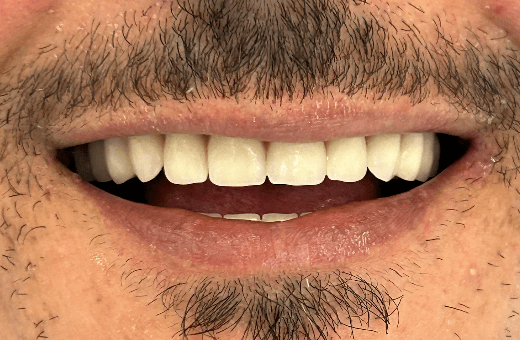
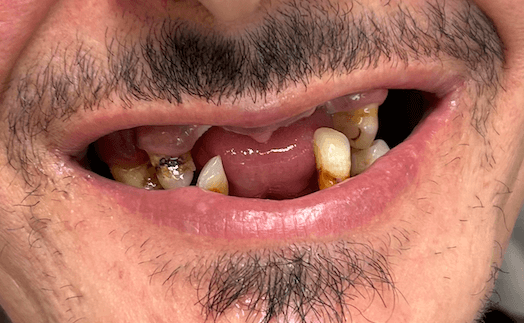
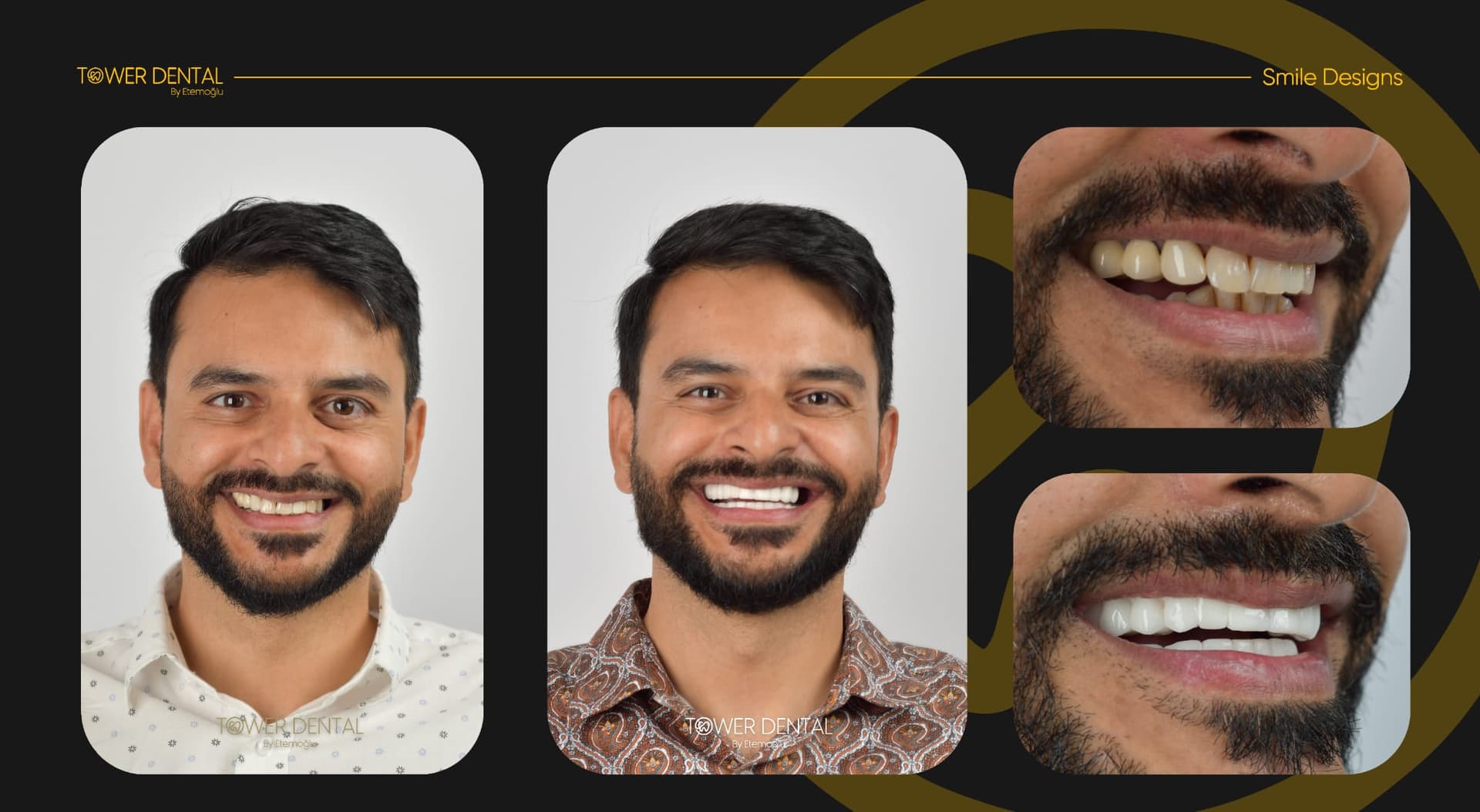
Real results from verified clinics
Drag the slider to compare before & after
AFTER
BEFORE
← Drag to compare →
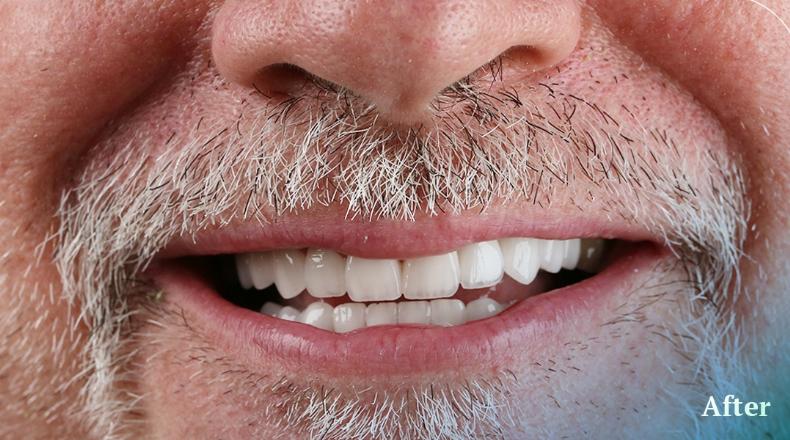
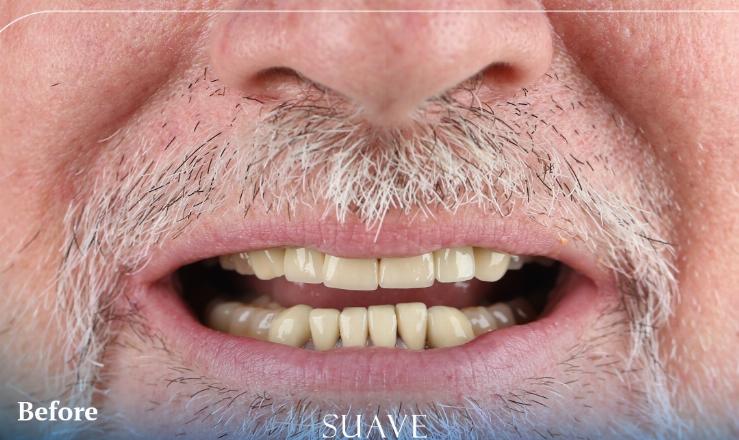
Suave Clinic
Verified clinic
Full smile restoration · Istanbul
AFTER
BEFORE
← Drag to compare →
MDental Clinic
Verified clinic
Full smile makeover · E-max veneers · Budapest
Before → After
Tower Dental Clinic
Verified clinic
Hollywood smile · E-max veneers · Istanbul
References & Sources
All clinical claims, pricing data, and statistics in this article are based on peer-reviewed research, official regulatory sources, and publicly verifiable data. We invite you to verify anything before making a treatment decision.
Medical disclaimer: This article is for educational purposes and does not replace a clinical examination. Treatment outcomes vary between patients. Always consult a qualified dental professional.
About MyDentalFly
MyDentalFly is a UK-based platform that builds your treatment plan and matches you with vetted specialist clinics abroad — and a dentist at the clinic reviews and confirms every plan before you pay anything.
Our interactive assessment evaluates your dental needs and builds a bespoke package: every treatment explained, a matched clinic with reasons why, your named dentist, flight estimates, transport, and accommodation — all in one place. We maintain a small, vetted network across Turkey, Hungary and Poland, visit clinics in person, help arrange CBCT scans before you fly, and stay with you through the entire journey. Compare. Save. Smile.
500+ patients helped·Nothing is charged until the clinic's dentist confirms your plan
Vetted clinics only Turkey · Hungary · Poland1,875 verified pricesAsk Pearl how it works ↓
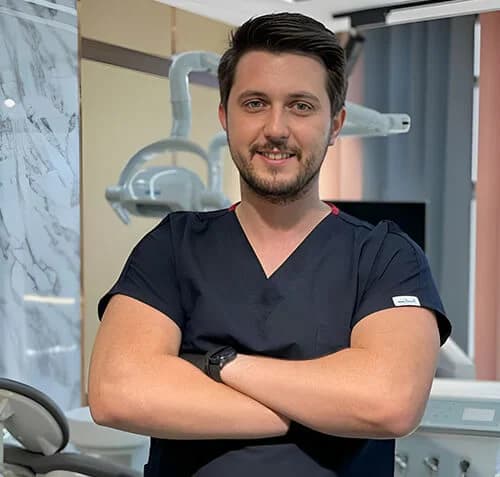
Adam leads patient research at MyDentalFly, personally vetting clinics across Turkey, Hungary, and Poland. He has reviewed over 200 clinic proposals, analysed patient outcomes, and helped coordinate treatment plans for patients across the UK, USA, and Europe.
EE
Clinically reviewed by
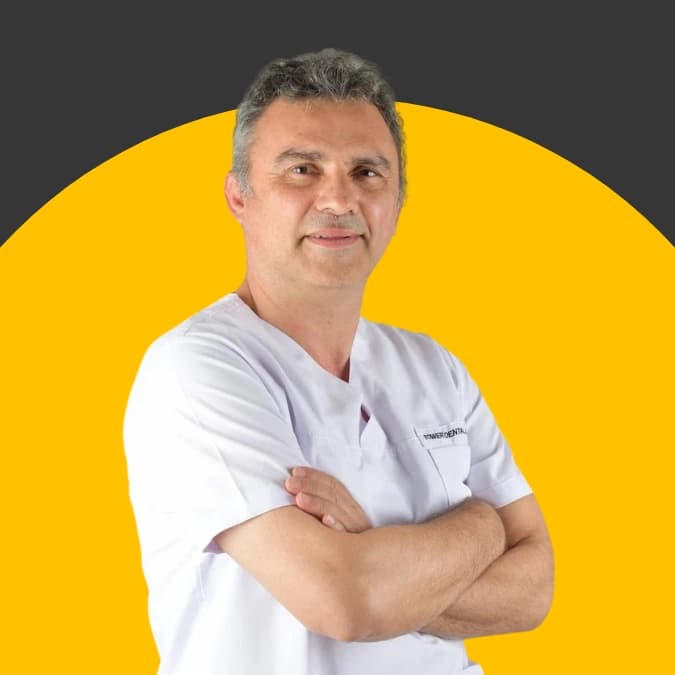
Dr. Ertan Etemoglu
Lead Dentist & Co-Founder, Tower Dental Clinic
26 years in practice · 8,000+ patients/year · Turkish & American Dental Association member · Featured on Reuters