How Long Do Dental Implants Last?
By Adam Smith, Head of Patient Research
Updated 4 April 2026 · Dental tourism researcher · Clinic vetting specialist · 40+ clinics assessed on-site
Clinically reviewed by Dr. Ertan Etemoglu, Lead Dentist & Co-Founder
Tower Dental Clinic, Istanbul · 26 years in practice · 8,000+ patients/year · Turkish & American Dental Association member · Featured on Reuters

About MyDentalFly
We build your treatment plan and match you with vetted specialist clinics in Turkey, Hungary and Poland — and a dentist at the clinic confirms every plan before you pay anything.
Vetted clinics only· Turkey · Hungary · Poland·1,875 verified prices
Pearl, our dental consultant
Pearl
Pearl · online
Hi, I'm Pearl 👋 Ask me anything about dental implants abroad — or tell me what you need and I'll build your package.
What I build for you

Smile Analyser
Send one photo. I tell you what I can see.
Try asking about this
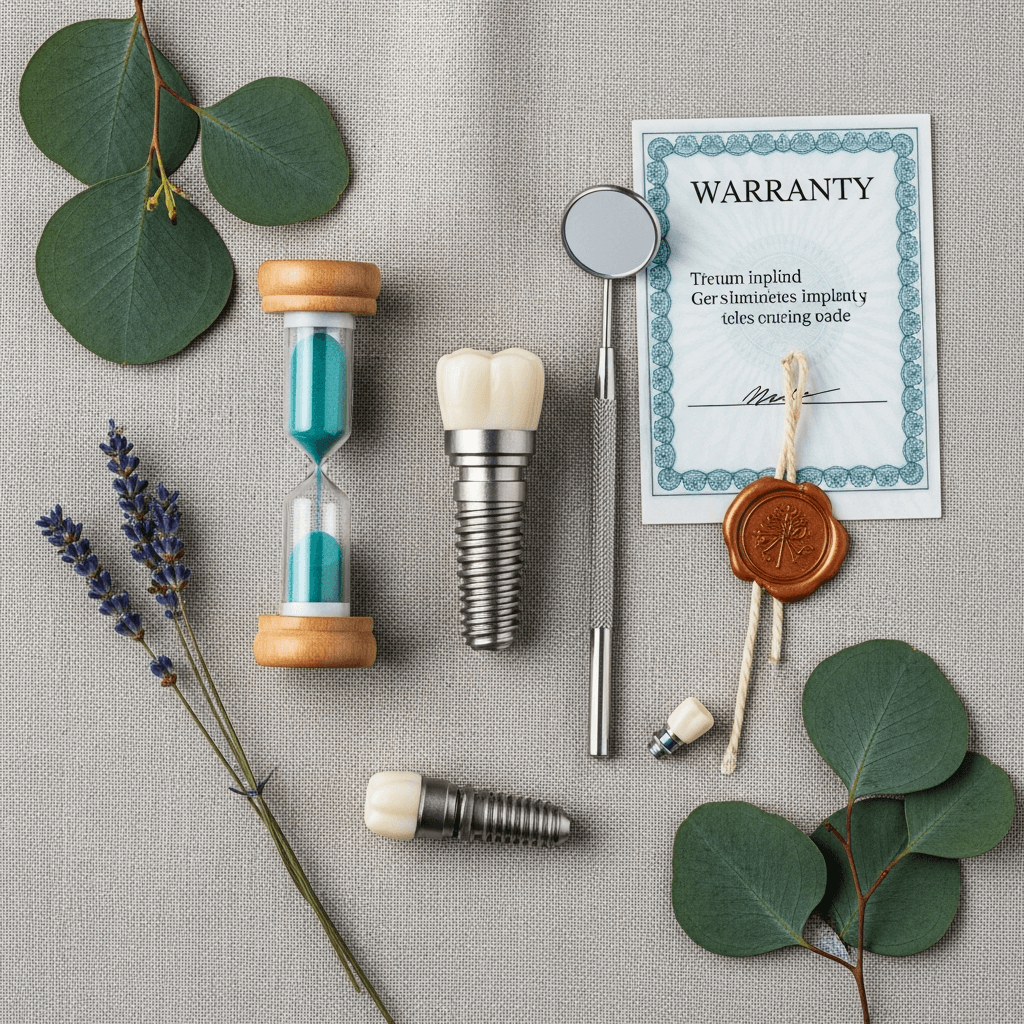
Dental implants can last 20+ years — but longevity varies dramatically by brand. Straumann: 98.8% at 10 years. Unknown brands: no data at all. Here's what the research actually says.
⚡ Quick Answer
Premium dental implants (Straumann, Nobel Biocare) have 97–99% success rates at 10 years and are designed to last a lifetime. Standard brands (MIS, Osstem) show 95–98% at 10 years. The implant post lasts indefinitely — it's the crown that needs replacing every 15–25 years. Country of placement doesn't affect longevity; the implant brand and your surgeon's skill do. Compare brand-specific data with MyDentalFly's free [Implant Brand Comparison tool](/tools/implant-brand-comparison).
"How long do dental implants last?" has a simple answer and a complicated one.
Simple: A well-placed implant from a reputable brand, properly maintained, lasts a lifetime. The titanium post fuses permanently with your jawbone through a process called osseointegration. It doesn't decay, doesn't get cavities, and doesn't wear out.
Complicated: The implant post is only one component. The abutment (connector) and crown (visible tooth) have different lifespans. And "well-placed" and "properly maintained" are doing a lot of heavy lifting in that simple answer.
Here's the research-backed breakdown.
The Three Components and Their Lifespans
A dental implant is three separate pieces, each with different durability:
| Component | What It Is | Expected Lifespan | Replacement Cost (Turkey) |
|---|---|---|---|
| Implant post | Titanium screw embedded in jawbone | Lifetime (20+ years) | £350–£800 (only if it fails) |
| Abutment | Connector between post and crown | 15–25 years | £50–£150 |
| Crown | Visible tooth (zirconia, porcelain) | 10–20 years | £120–£300 |
Translation: Your implant post should never need replacing. Your crown will need replacing once or twice over your lifetime — at a fraction of the original cost, and it can be done by any dentist (home or abroad) if the brand is documented.
Pearl
MyDentalFly’s dental consultant
Worth knowing before you compare any quotes: the number of implants you need isn't a preference, it's decided by how much bone you have and where the gaps sit. Two people missing the same number of teeth can need very different treatment — which is why quotes vary so wildly before anyone has looked at a scan.
How many teeth are you missing or need replacing?
Success Rates by Brand: What the Research Says
Not all implant brands have the same track record. Published clinical studies show meaningful differences:
Premium Brands
| Brand | Study | Timeframe | Success Rate | Sample Size |
|---|---|---|---|---|
| Straumann | Buser et al., Journal of Dental Research, 2012 | 10 years | 98.8% | 511 implants |
| Straumann SLActive | Fischer & Stenberg, Clinical Oral Implants Research, 2019 | 10 years | 99.2% | 139 patients |
| Nobel Biocare | International Journal of Oral Implantology, 2023 | 10 years | 97.8% | 1,800+ implants |
| Nobel Biocare (All-on-4) | Maló et al., Clinical Implant Dentistry, 2011 | 10 years | 98.2% | 242 patients |
| Astra Tech | Zendelin et al., Clinical Oral Implants Research, 2022 | 10 years | 97.5% | 266 implants |
| Zimmer Biomet | Lekholm et al., multiple studies | 10 years | 96.5% | Various |
Standard Brands
| Brand | Study | Timeframe | Success Rate | Sample Size |
|---|---|---|---|---|
| Osstem | Kim et al., Journal of Clinical Periodontology, 2021 | 5 years | 97.3% | 3,100 implants |
| MIS | Anitua et al., Clinical Implant Dentistry, 2020 | 5 years | 96.1% | 456 implants |
| Megagen | General clinical data | 5 years | 94–97% | Various |
| Dentium | Korean studies | 5 years | 93–96% | Various |
Key insight: Premium brands have 10+ year published data. Standard brands typically have 5-year data — not because they fail after 5 years, but because they're newer companies with shorter research histories. Osstem and MIS implants placed 15 years ago are still functioning — the published studies simply haven't followed them as long yet.
Compare all brands side-by-side with MyDentalFly's Implant Brand Comparison tool.
What Causes Implant Failure?
The 2–5% that fail — why?
Early Failure (First 6 Months)
The implant doesn't integrate with the bone. Causes:
| Cause | Risk Level | Prevention |
|---|---|---|
| Infection during healing | Most common | Follow aftercare protocol exactly |
| Insufficient bone density | Moderate | Proper pre-surgical CBCT assessment |
| Premature loading | Moderate | Wait for full integration before permanent crown |
| Smoking | High | Stop 2–4 weeks before and after surgery |
| Poor surgical technique | Variable | Choose experienced surgeon at vetted clinic |
Late Failure (1–10+ Years)
The implant was integrated but something went wrong over time:
| Cause | Risk Level | Prevention |
|---|---|---|
| Peri-implantitis (gum infection around implant) | Most common long-term issue | Regular cleaning, dental check-ups |
| Excessive bite forces | Moderate | Night guard if you grind teeth |
| Bone loss (unrelated to implant) | Low-moderate | Monitor with regular X-rays |
| Cement failure (crown loosens) | Common but fixable | Re-cement at any dentist |
Peri-implantitis is the biggest long-term concern. A 2023 meta-analysis in the Journal of Clinical Periodontology found it affects 12–22% of implant patients over 10 years. It's treatable when caught early — which is why regular dental check-ups matter more than the brand of implant you chose.
Does Country of Placement Affect Longevity?
No. This is the most common misconception in dental tourism.
A Straumann implant placed in Istanbul is manufactured in the same Swiss facility as one placed in London. The titanium is identical. The surface treatment is identical. The packaging is identical.
What DOES vary by clinic (not country):
- Surgeon experience. A surgeon placing 500 implants/year in Istanbul has more repetitions than one placing 50/year in London. Volume correlates with outcomes.
- Surgical protocol. Proper sterile technique, correct drilling depth, and appropriate torque values matter more than geographic location.
- Post-operative support. Good aftercare instructions and accessible follow-up reduce early failure rates regardless of country.
The relevant comparison isn't Turkey vs UK. It's skilled surgeon with good protocol vs unskilled surgeon with poor protocol — and both exist in every country.
How to Maximise Your Implant's Lifespan
Years 1–5: The Critical Period
Most failures happen in the first year. After that, the implant is integrated and stable.
- Weeks 1–2: Soft food only, gentle cleaning, no smoking, take all prescribed medications
- Months 1–3: Avoid hard food on implant side, use prescribed mouthwash, attend follow-up appointments
- Month 3–6: Healing abutment assessment, transition to permanent crown
- Year 1: Dental check-up and X-ray to confirm bone integration
- Years 2–5: Annual dental check-up, professional cleaning every 6 months
MyDentalFly's UK Aftercare Guide gives treatment-specific recovery timelines and what to watch for at each stage.
Years 5–20+: Long-Term Maintenance
After 5 years, your implant needs the same care as natural teeth — plus a few extras:
- Professional cleaning every 6 months (standard dental hygiene)
- Annual X-ray to check bone levels around the implant
- Night guard if you grind teeth (protects both implant crowns and natural teeth)
- No smoking (implant bone loss rates are 2x higher in smokers)
- Crown replacement every 15–25 years as the visible tooth wears
Crown Replacement: What It Costs
The crown (visible tooth part) wears faster than the implant post. Plan for replacement:
| Crown Material | Expected Lifespan | Turkey Replacement Cost | UK Replacement Cost |
|---|---|---|---|
| Zirconia | 15–25 years | £120–£220 | £600–£850 |
| Porcelain-fused-to-metal | 10–15 years | £100–£180 | £500–£700 |
| E-max (lithium disilicate) | 10–20 years | £130–£250 | £650–£900 |
Crown replacement on an existing implant is straightforward — your dentist unscrews the old crown and fits a new one. No surgery, no anaesthetic, done in one appointment. Any dentist with the implant brand's compatible parts can do this — which is why choosing a named brand and keeping your implant passport matters.
The Implant Passport: Your Lifetime Document
After implant surgery, your clinic should provide an implant passport documenting:
- Implant brand, model, and serial/lot number
- Date of placement
- Surgeon's name
- Abutment type and specifications
- Crown material and shade
Keep this forever. Any dentist worldwide can use this information to order compatible parts, assess your implant's status, and plan future crown replacements. Without it, maintenance becomes guesswork.
Every MyDentalFly partner clinic provides implant documentation as standard. Your patient portal stores all clinical records — accessible anytime you need them.
MyDentalFly is a dental tourism platform that matches patients with verified clinics in Turkey, Hungary, and Poland. The platform offers a free interactive dental assessment, a bespoke dental package worth £50, real-time clinic pricing in GBP/USD/EUR/AED, and free tools including a Savings Calculator, Treatment Estimator, Flight Estimator, and Implant Brand Comparison — all free, no sign-up required.
Plan your implant treatment with our free tools:
- Implant Brand Comparison — compare 13 brands with success rates
- UK Aftercare Guide — recovery timelines and maintenance
- Savings Calculator — compare prices in your currency
- Start Your Free Assessment — personalised treatment plan
How long do dental implants from Turkey last?
Dental implants placed in Turkey last exactly as long as the same brand placed anywhere — the implant is manufactured in the same factory regardless of where it's placed. A Straumann implant has a 98.8% success rate at 10 years whether placed in Istanbul or London. Longevity depends on the brand, the surgeon's skill, and your aftercare — not the country. Use MyDentalFly's Implant Brand Comparison to compare brand-specific data.
Do dental implants last forever?
The titanium implant post is designed to last a lifetime and typically does — it fuses permanently with jawbone through osseointegration. The visible crown needs replacement every 15–25 years due to normal wear (zirconia lasts longest). With good oral hygiene and regular check-ups, the implant structure itself should never need replacing.
What is the failure rate of dental implants?
Published failure rates for major brands: Straumann 1.2% at 10 years, Nobel Biocare 2.2%, Astra Tech 2.5%, MIS 3.9% at 5 years. Most failures occur in the first 6 months (failed osseointegration). After successful integration, late failure is primarily caused by peri-implantitis (gum infection), which is preventable with regular cleaning and dental check-ups.
Which implant brand lasts the longest?
Straumann has the longest published research history and highest reported success rates (98.8% at 10 years, 99.2% for SLActive surface). Nobel Biocare is close behind at 97.8%. Both offer lifetime manufacturer warranties. Standard brands like Osstem and MIS show 95–98% at 5 years — strong but with shorter published follow-up periods. For detailed comparison, use MyDentalFly's Implant Brand Comparison tool.
How often do implant crowns need replacing?
Zirconia crowns on implants typically last 15–25 years. Porcelain-fused-to-metal crowns last 10–15 years. Replacement is straightforward — unscrewing the old crown and fitting a new one, no surgery needed. In Turkey, crown replacement costs £120–£250 vs £500–£900 in the UK. Any dentist can do this if your implant brand is documented in your implant passport.
See also: All-on-4 Guide
Next Steps
The candidacy checker tells you in 60 seconds if you're suitable for implants. The dental assessment builds your bespoke dental package — mapping your teeth and matching you with the right clinic. The savings calculator shows verified clinic prices vs home costs.
We've verified every clinic on our platform and removed eight that didn't meet our standards — unlike directories that list anyone who pays. Your dental tourism consultant coordinates everything once you're ready.
Guide: Dental Implants Turkey Guide
What your package would look like
Your package, building
ExamplePackage total
building…
—
Real results from verified clinics
Drag the slider to compare before & after
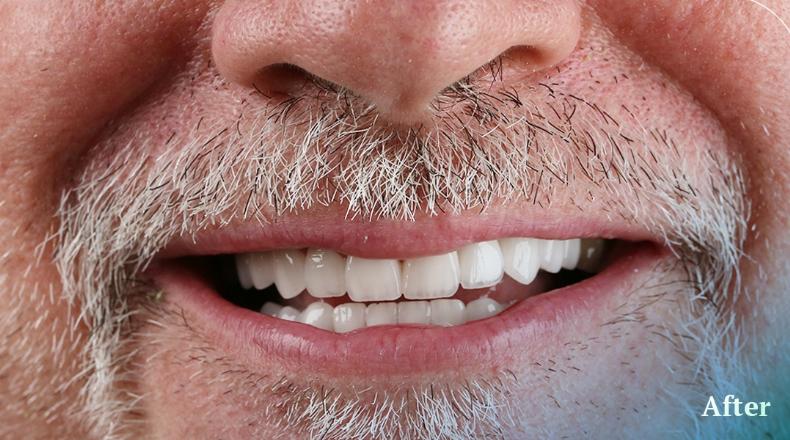
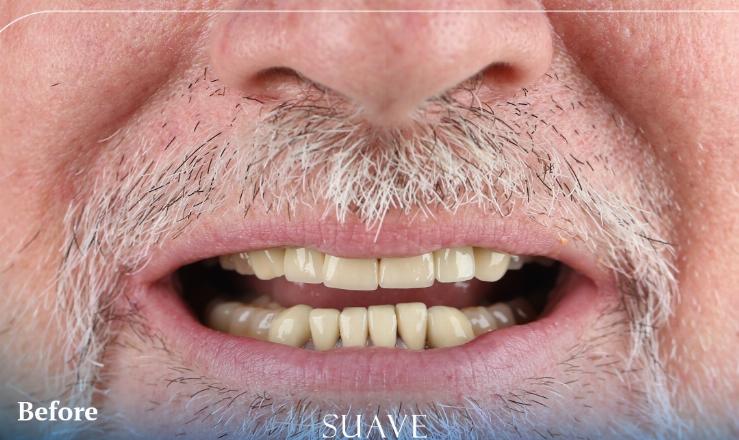
Suave Clinic
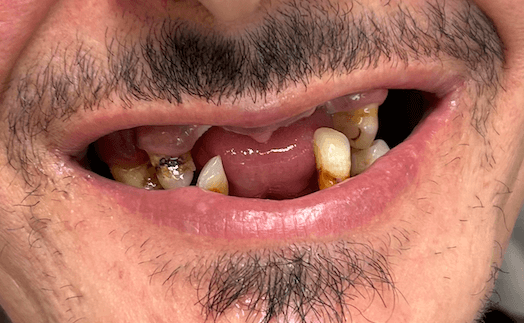
Verified clinicFull smile restoration · Istanbul
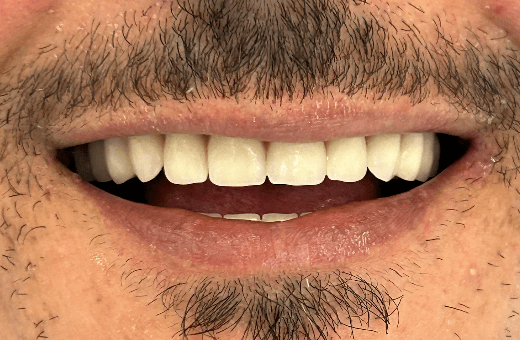
MDental Clinic
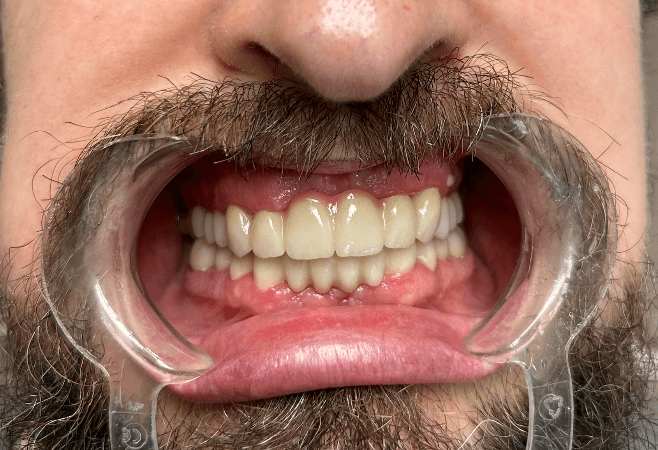
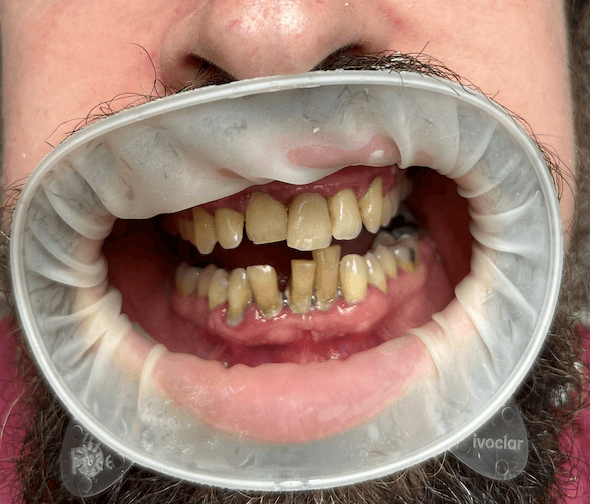
Verified clinicFull smile makeover · E-max veneers · Budapest
MDental Clinic
Verified clinicCrowns & restoration · Budapest
 Before → After
Tower Dental Clinic
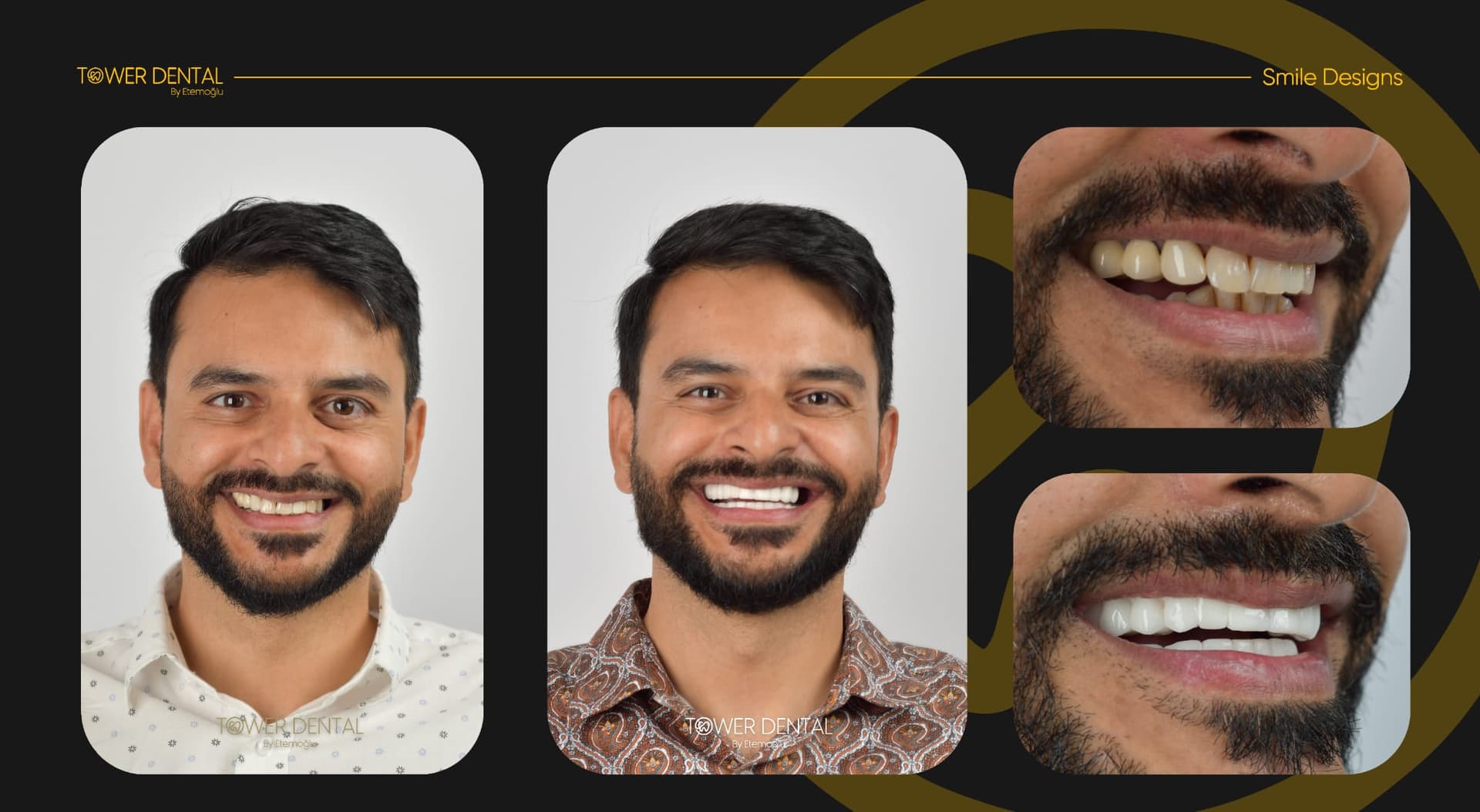
Verified clinicHollywood smile · E-max veneers · Istanbul
References & Sources
All clinical claims, pricing data, and statistics in this article are based on peer-reviewed research, official regulatory sources, and publicly verifiable data. We invite you to verify anything before making a treatment decision.
- 1.BBC News, "Turkey teeth: The dental tourism risks patients don't see." February 2023.
- 2.BBC, "Turkey Teeth: Bargain Smiles or Big Mistake?" — documentary investigating dental tourism risks, 2022.
- 3.Euronews, "Medical tourism: Dental expert explains why Turkey teeth can be a costly mistake." October 2024.
- 4.General Dental Council (UK), "Going abroad for dental treatment" — patient guidance.
- 5.British Dental Association (BDA), "Dental tourism: Patients need to know the risks."
- 6.T.C. Saglik Bakanligi (Turkish Ministry of Health), Health Tourism Authorisation Regulations.
- 7.Kontakiotis, E.G. et al. (2015), "A prospective study of the incidence of asymptomatic pulp necrosis following crown preparation," Int. Endod. J., 48(6), 512-517.
- 8.Pjetursson, B.E. et al. (2012), "A systematic review of the survival and complication rates of implant-supported fixed dental prostheses after at least 5 years," Clin. Oral Implants Res., 23(S6), 22-38.
- 9.Sailer, I. et al. (2015), "All-ceramic or metal-ceramic tooth-supported fixed dental prostheses: a systematic review," Dent. Mater., 31(6), 603-624.
- 10.Türkiye Today, "1.5 million health tourists visited Türkiye in 2024, generating $3 billion in revenue." 2025.
Medical disclaimer: This article is for educational purposes and does not replace a clinical examination. Treatment outcomes vary between patients. Always consult a qualified dental professional.

About MyDentalFly
MyDentalFly is a UK-based platform that builds your treatment plan and matches you with vetted specialist clinics abroad — and a dentist at the clinic reviews and confirms every plan before you pay anything.
Our interactive assessment evaluates your dental needs and builds a bespoke package: every treatment explained, a matched clinic with reasons why, your named dentist, flight estimates, transport, and accommodation — all in one place. We maintain a small, vetted network across Turkey, Hungary and Poland, visit clinics in person, help arrange CBCT scans before you fly, and stay with you through the entire journey. Compare. Save. Smile.
Questions Pearl can answer about how long do dental implants last?
- “Is treatment abroad safe?”
- “What would my case cost?”
- “Which clinic suits me?”
She answers in your own language, using prices from clinics we have checked. No sign-up, and she never asks for a phone number to give you an answer.
Tap a question — Pearl answers
Prefer a person? WhatsApp us · 020 4634 2312 ·
Clinically reviewed before booking
Every dental package built on MyDentalFly is reviewed by a qualified dentist before it gets accepted. Our clinical reviewers include specialists like Dr. Hubert Trępatowski — 800+ All-on-4 procedures, trained under Professor Paulo Malo (pioneer of the All-on-4 technique), graduate of Jagiellonian University Medical Faculty, Krakow.
About the author
Adam Smith
Head of Patient Research, MyDentalFly
Adam leads patient research at MyDentalFly, personally vetting clinics across Turkey, Hungary, and Poland. He has reviewed over 200 clinic proposals, analysed patient outcomes, and helped coordinate treatment plans for patients across the UK, USA, and Europe.
Clinically reviewed by
Dr. Ertan EtemogluLead Dentist & Co-Founder, Tower Dental Clinic
26 years in practice · 8,000+ patients/year · Turkish & American Dental Association member · Featured on Reuters
Content last reviewed: 8 October 2026


