Pain Management for Dental Work Abroad
By Adam Smith, Head of Patient Research
Updated 16 February 2026 · Dental tourism researcher · Clinic vetting specialist · 40+ clinics assessed on-site
Clinically reviewed by Dr. Ertan Etemoglu, Lead Dentist & Co-Founder
Tower Dental Clinic, Istanbul · 26 years in practice · 8,000+ patients/year · Turkish & American Dental Association member · Featured on Reuters
About MyDentalFly
We build your treatment plan and match you with vetted specialist clinics in Turkey, Hungary and Poland — and a dentist at the clinic confirms every plan before you pay anything.
Vetted clinics only· Turkey · Hungary · Poland·1,875 verified prices
Pearl, our dental consultant
Pearl
Pearl · online
Hi, I'm Pearl 👋 Ask me anything about dental treatment abroad — or tell me what you need and I'll build your package.
Try asking about this

Most patients report less pain than expected — but the wrong preparation can turn mild discomfort into a miserable recovery. Here's a procedure-by-procedure breakdown with packing lists and pharmacy guides for Turkey, Hungary, Poland, and Spain.
Four implants placed, two teeth extracted, bone grafting on the same day — and zero pain afterwards. That's not a clinic brochure. That's a real patient posting in a Facebook group at 11pm from their Istanbul hotel room.
"I had 4 teeth extracted and on the same day 4 implants were placed + bone grafting / I didn't feel any pain after the procedure"
This happens more often than most people expect. The anxiety about pain usually outweighs the actual pain. But preparation matters. Patients who pack smart and understand what's coming have much better experiences than those who wing it.
Pain Levels by Procedure: What the Numbers Actually Look Like
Every mouth is different, but thousands of patient reports across Facebook groups, forums, and clinic follow-ups paint a clear picture.
| Procedure | Pain Level (1-10) | Duration | What Helps Most |
|---|---|---|---|
| Porcelain veneers (prep + fit) | 2-3 | 2-5 days of sensitivity | Ibuprofen, soft diet, desensitising toothpaste |
| Composite bonding | 1-2 | 1-2 days | Usually nothing needed |
| Dental crowns | 2-4 | 3-7 days | Ibuprofen, avoid hot/cold extremes |
| Single implant | 3-5 | 3-7 days | Ibuprofen + paracetamol alternating, ice packs |
| Multiple implants (2-4) | 4-6 | 5-10 days | Prescribed painkillers, ice, elevation when sleeping |
| Tooth extraction (simple) | 3-4 | 2-4 days | Gauze, ice, ibuprofen, salt water rinse after 24hrs |
| Tooth extraction (surgical) | 5-7 | 5-10 days | Prescribed painkillers, ice packs, soft foods |
| All-on-4 (per arch) | 5-7 | 7-14 days | Prescribed medication, liquid/soft diet, ice, rest |
| Bone grafting | 4-6 | 5-10 days | Anti-inflammatories, antibiotics (prescribed), cold compress |
| Sinus lift | 5-7 | 7-14 days | Prescribed painkillers, decongestant, no nose blowing |
The pattern is clear: procedures involving bone (implants, grafts, sinus lifts) hurt more than those limited to enamel and gum tissue (veneers, crowns). But even the tougher procedures sit at 5-7, not 9-10. Most patients describe it as a "dull ache" rather than sharp pain.
Pearl
MyDentalFly’s dental consultant
Something worth knowing while you're reading: almost every dental decision comes down to two things a price list can't tell you — what condition the surrounding teeth and bone are in, and how permanent you want the result to be. Those are what make two people's treatment for the 'same' problem look completely different.
What's brought you here today?
What to Pack From Home
Don't rely entirely on finding what you need at your destination. Pharmacies abroad stock different brands, formulations, and strengths. Some items that are over-the-counter in the UK or US require a prescription elsewhere — and vice versa.
| Item | Why You Need It | Notes |
|---|---|---|
| Ibuprofen 400mg | Primary anti-inflammatory and painkiller | Take with food. More effective than paracetamol alone for dental pain. |
| Paracetamol 500mg | Alternates with ibuprofen for round-the-clock coverage | Take paracetamol 2 hours after ibuprofen, then ibuprofen 2 hours after that. |
| Corsodyl Daily mouthwash | Chlorhexidine-based, gold standard post-procedure | Use the DAILY version (0.06%), not Treatment (0.2%) — the stronger one stains teeth brown. |
| Alcohol-free mouthwash (backup) | Gentler option if chlorhexidine irritates | Listerine Total Care Zero is popular. Avoid anything with alcohol — it burns healing tissue. |
| Dental wax | Covers sharp edges on temporaries | Saves you a trip back to the clinic for minor irritation. |
| Straws (wide, reusable) | For drinking without disturbing surgical sites | Do NOT use straws for 24-48 hours after extractions (suction can dislodge clots). Fine for veneers/crowns. |
| Neck pillow | Sleeping elevated reduces swelling | Particularly important after implants and extractions. |
| Ice pack (gel type) | Reduces swelling in first 48 hours | 20 minutes on, 20 minutes off. Hotel reception usually has ice too. |
| Soft foods: protein shakes, soup sachets | You may not feel like chewing for 2-5 days | Local supermarkets stock these but having familiar brands from home helps. |
| Arnica tablets/cream | Reduces bruising and swelling (herbal) | Evidence is mixed but many patients swear by it. Start 2 days before procedure. |
"Bring painkillers from home - pharmacy stuff in Turkey is different"
This advice pops up repeatedly. It's not that Turkish or Hungarian pharmacies are worse — they're often better stocked. But navigating an unfamiliar pharmacy while your mouth is throbbing and you can't easily speak isn't ideal.
Pharmacy Differences by Country
What's available over the counter varies significantly across popular dental tourism destinations.
| Medication | Turkey | Hungary | Poland | Spain |
|---|---|---|---|---|
| Ibuprofen 400mg | OTC (Brufen, Advil) | OTC | OTC | OTC (limited to 400mg without prescription) |
| Paracetamol 500mg | OTC (Parol) | OTC | OTC | OTC (Gelocatil) |
| Codeine-based painkillers | Prescription only | Prescription only | Prescription only | Prescription only |
| Antibiotics (Amoxicillin) | OTC in many pharmacies | Prescription only | Prescription only | Prescription only |
| Chlorhexidine mouthwash | OTC (Klorhex) | OTC | OTC | OTC |
| Stronger NSAIDs (Ketoprofen, etc.) | Some OTC, some Rx | Mostly Rx | Rx | Rx |
Turkey stands out because antibiotics are often available without prescription — pharmacists use their own judgement. This is convenient but carries risks. Always follow your clinic's medication instructions rather than self-prescribing.
"Get retard from the local pharmacy in turkey they brutal and are amazing 10 x stronger than anything in the UK"
Patients in Facebook groups mention Turkish pharmacy painkillers being stronger than UK equivalents. Some of these are extended-release formulations (hence "retard" — a pharmaceutical term for slow release, not slang). Your clinic will usually provide or recommend specific medications. Follow their guidance rather than Facebook recommendations.
The Mouthwash Guide
This generates more debate in dental tourism groups than you'd expect.
"What mouthwash do people recommend after getting veneers? My clinic said to avoid alcohol-based ones"
Your clinic is right. Alcohol-based mouthwash irritates healing gum tissue and can slow recovery. Here's what works.
Chlorhexidine (Corsodyl): The clinical gold standard. Kills bacteria, prevents infection, used in hospitals. But it comes with a catch.
"Corsodyl is good but it can stain - use the daily one not the treatment one"
Corsodyl Treatment Strength (0.2% chlorhexidine) will stain your teeth, tongue, and any new restorations a brownish colour. The staining is temporary and removable by your dentist, but it looks alarming. Corsodyl Daily (0.06%) is gentler and much less likely to stain.
Alcohol-free alternatives:
"I use Listerine Total Care Zero - alcohol free and gentle"
Other good options include Meridol, Colgate Peroxyl (for healing), and CB12. The key requirement is zero alcohol content.
When to start: Most clinics say wait 24 hours after your procedure before using any mouthwash. For the first 24 hours, gentle salt water rinses (half teaspoon of salt in warm water) are sufficient.
Post-Procedure Recovery Timeline
Knowing what's normal on each day prevents unnecessary panic.
Day 1 (procedure day): Numbness wears off after 2-6 hours. Mild to moderate aching begins. Swelling starts. This is the day to use ice packs aggressively (20 minutes on, 20 off). Stick to liquids and very soft foods. Don't rinse or spit forcefully.
Day 2-3: Peak swelling. Your face may look significantly different — this is normal, especially after implants, extractions, or bone grafting. Bruising may appear on the jaw or cheek. Pain is usually manageable with ibuprofen and paracetamol.
Day 4-5: Swelling begins to subside. Pain decreases noticeably. Most veneer and crown patients feel largely normal by now. Implant patients still have moderate discomfort.
Day 7: Veneer and crown patients typically feel fully recovered. Implant patients have mild residual aching. Stitches (if used) may dissolve or be removed. You can resume normal eating — carefully.
Day 14: Even complex procedures (All-on-4, multiple implants with bone grafts) have typically settled. Residual sensitivity to pressure is normal for another 2-4 weeks.
When Pain Is NOT Normal
Most post-procedure discomfort follows the timeline above: peaks at day 2-3, then steadily improves. If your pain doesn't follow this pattern, something may be wrong.
Contact your clinic immediately if:
- Pain is increasing after day 3 (should be decreasing)
- Swelling is expanding, not shrinking, after day 4
- You develop a fever above 38°C / 100.4°F
- You see pus or discharge from the surgical site
- You experience severe throbbing that painkillers can't control
- Numbness persists beyond 24 hours (potential nerve involvement)
- A crown or temporary falls off and the area becomes painful
None of these are reasons to panic — they're reasons to get assessed. Most clinics have WhatsApp support and can evaluate photos remotely within hours.
Medication Interactions: Tell Your Clinic Everything
If you take any of the following, your clinic needs to know before prescribing post-procedure medications:
- Blood thinners (Warfarin, Apixaban, Rivaroxaban, Aspirin) — affects bleeding and healing
- Bisphosphonates (for osteoporosis) — significantly affects implant healing and bone grafting
- Immunosuppressants — increases infection risk
- Diabetes medications — blood sugar affects healing speed
- Antidepressants (SSRIs) — can interact with some pain medications
- Herbal supplements (St John's Wort, Ginkgo, Garlic pills) — some affect bleeding
Don't assume your clinic will ask about every medication you take. Volunteer the information. Bring a printed list of all current medications and supplements. This applies whether you're being treated in Turkey, Hungary, Poland, Spain, Dubai, or anywhere else.
Building Your Recovery Kit
Pack these items before you leave home and you'll handle recovery like a veteran dental tourist:
- Painkillers from home (ibuprofen + paracetamol)
- Corsodyl Daily mouthwash (0.06%)
- Soft toothbrush (post-surgical, ultra-soft)
- Dental wax
- Ice pack (gel type, reusable)
- Neck pillow for sleeping elevated
- Protein shakes or meal replacement sachets
- Printed medication list
- Clinic's WhatsApp number saved in your phone
The patients who report the best recovery experiences aren't the ones with the highest pain tolerance. They're the ones who prepared properly.
Ready to get matched with clinics that prioritise aftercare? Start your free assessment on MyDentalFly — you'll get transparent pricing and full treatment details before you commit to anything.
See also: All-on-4 Guide
Next Steps
The candidacy checker tells you in 60 seconds if you're suitable for implants. The dental assessment builds your bespoke dental package — mapping your teeth and matching you with the right clinic. The savings calculator shows verified clinic prices vs home costs.
We've verified every clinic on our platform and removed eight that didn't meet our standards — unlike directories that list anyone who pays. Your dental tourism consultant coordinates everything once you're ready.
What your package would look like
Your package, building
ExamplePackage total
building…
—
Real results from verified clinics
Drag the slider to compare before & after
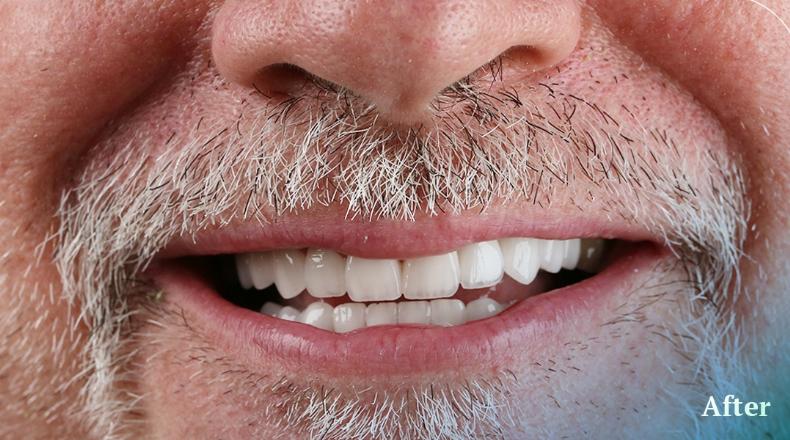
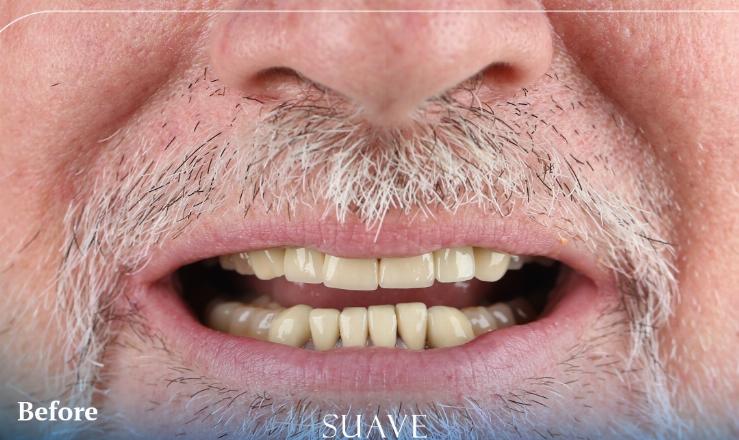
Suave Clinic
Verified clinicFull smile restoration · Istanbul
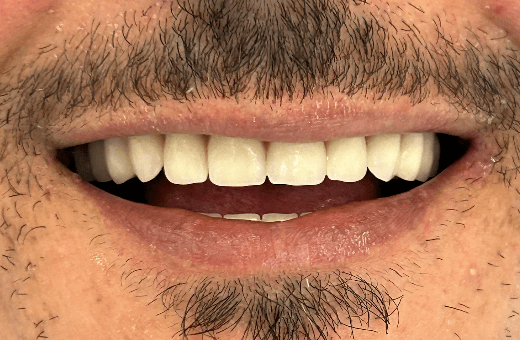
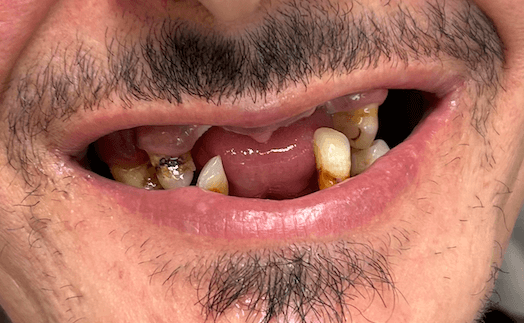
MDental Clinic
Verified clinicFull smile makeover · E-max veneers · Budapest
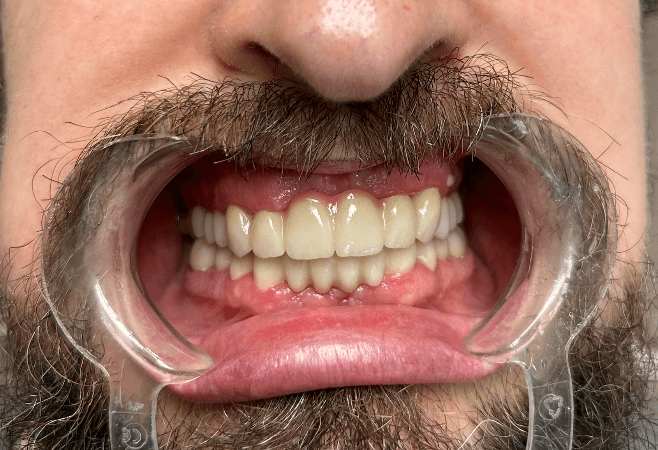
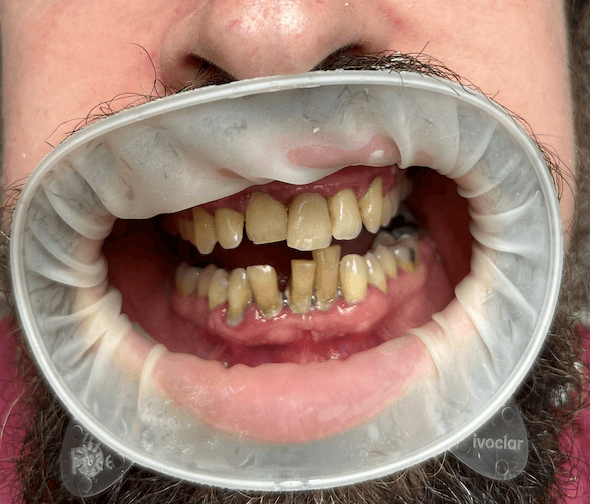
MDental Clinic
Verified clinicCrowns & restoration · Budapest
 Before → After
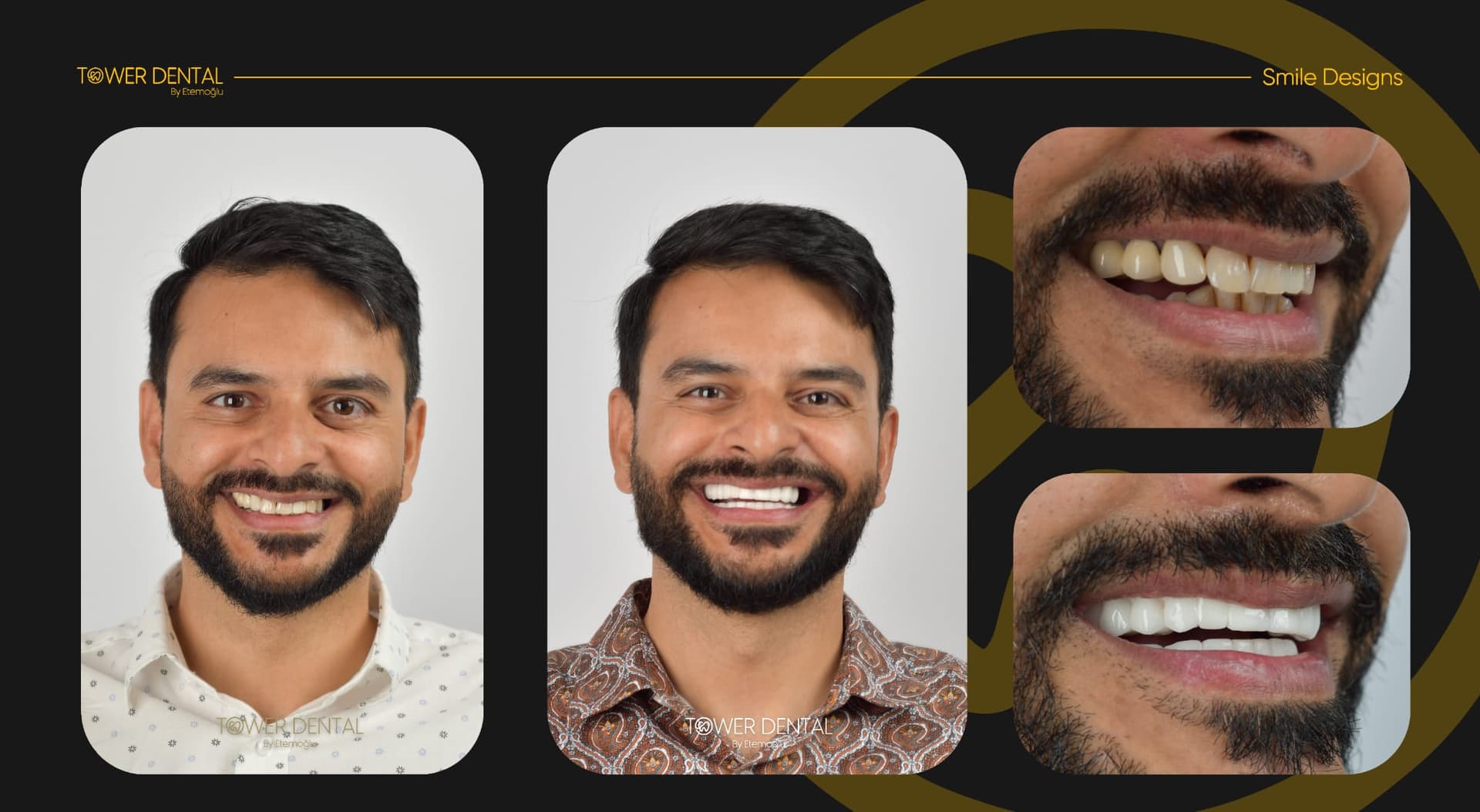
Tower Dental Clinic
Verified clinicHollywood smile · E-max veneers · Istanbul
References & Sources
All clinical claims, pricing data, and statistics in this article are based on peer-reviewed research, official regulatory sources, and publicly verifiable data. We invite you to verify anything before making a treatment decision.
- 1.BBC News, "Turkey teeth: The dental tourism risks patients don't see." February 2023.
- 2.BBC, "Turkey Teeth: Bargain Smiles or Big Mistake?" — documentary investigating dental tourism risks, 2022.
- 3.Euronews, "Medical tourism: Dental expert explains why Turkey teeth can be a costly mistake." October 2024.
- 4.General Dental Council (UK), "Going abroad for dental treatment" — patient guidance.
- 5.British Dental Association (BDA), "Dental tourism: Patients need to know the risks."
- 6.T.C. Saglik Bakanligi (Turkish Ministry of Health), Health Tourism Authorisation Regulations.
- 7.Kontakiotis, E.G. et al. (2015), "A prospective study of the incidence of asymptomatic pulp necrosis following crown preparation," Int. Endod. J., 48(6), 512-517.
- 8.Pjetursson, B.E. et al. (2012), "A systematic review of the survival and complication rates of implant-supported fixed dental prostheses after at least 5 years," Clin. Oral Implants Res., 23(S6), 22-38.
- 9.Sailer, I. et al. (2015), "All-ceramic or metal-ceramic tooth-supported fixed dental prostheses: a systematic review," Dent. Mater., 31(6), 603-624.
- 10.Türkiye Today, "1.5 million health tourists visited Türkiye in 2024, generating $3 billion in revenue." 2025.
Medical disclaimer: This article is for educational purposes and does not replace a clinical examination. Treatment outcomes vary between patients. Always consult a qualified dental professional.
About MyDentalFly
MyDentalFly is a UK-based platform that builds your treatment plan and matches you with vetted specialist clinics abroad — and a dentist at the clinic reviews and confirms every plan before you pay anything.
Our interactive assessment evaluates your dental needs and builds a bespoke package: every treatment explained, a matched clinic with reasons why, your named dentist, flight estimates, transport, and accommodation — all in one place. We maintain a small, vetted network across Turkey, Hungary and Poland, visit clinics in person, help arrange CBCT scans before you fly, and stay with you through the entire journey. Compare. Save. Smile.
Tap a question — Pearl answers
Prefer a person? WhatsApp us · 020 4634 2312 · or
Clinically reviewed before booking
Every dental package built on MyDentalFly is reviewed by a qualified dentist before it gets accepted. Our clinical reviewers include specialists like Dr. Hubert Trępatowski — 800+ All-on-4 procedures, trained under Professor Paulo Malo (pioneer of the All-on-4 technique), graduate of Jagiellonian University Medical Faculty, Krakow.
About the author
Adam Smith
Head of Patient Research, MyDentalFly
Adam leads patient research at MyDentalFly, personally vetting clinics across Turkey, Hungary, and Poland. He has reviewed over 200 clinic proposals, analysed patient outcomes, and helped coordinate treatment plans for patients across the UK, USA, and Europe.
Clinically reviewed by
Dr. Ertan Etemoglu
Lead Dentist & Co-Founder, Tower Dental Clinic
26 years in practice · 8,000+ patients/year · Turkish & American Dental Association member · Featured on Reuters
Content last reviewed: 28 August 2026


