Receding Gums: Causes, Treatment and Costs
By Adam Smith, Head of Patient Research
Updated 28 March 2026 · Dental tourism researcher · Clinic vetting specialist · 40+ clinics assessed on-site

About MyDentalFly
We build your treatment plan and match you with vetted specialist clinics in Turkey, Hungary and Poland — and a dentist at the clinic confirms every plan before you pay anything.
Vetted clinics only· Turkey · Hungary · Poland·1,875 verified prices
Pearl, our dental consultant
Pearl
Pearl · online
Hi, I'm Pearl 👋 Ask me anything about the cost of dental treatment abroad — or tell me what you need and I'll build your package.

Smile Analyser
Send one photo. I tell you what I can see.
Try asking about this

Gums don't grow back. But treatments can halt recession and restore coverage. Here's what works, what it costs, and when to act.
Your gums are pulling back and you can see more of your tooth roots than you used to. It's not just cosmetic — receding gums can lead to sensitivity, decay, and eventually tooth loss. Here's what you can do about it.
Why Gums Recede
There is rarely a single cause. Recession usually involves two or three factors working together over years.
Aggressive brushing is the most common culprit in otherwise healthy mouths. Scrubbing teeth with a hard-bristle brush gradually erodes gum tissue and strips enamel from root surfaces. The damage accumulates over decades.
Gum disease (periodontitis) is the leading cause in adults over 35. Bacteria build up in pockets between the tooth and gum, triggering an inflammatory response that destroys the soft tissue and bone beneath.
Genetics plays a larger role than most people expect. Some patients have naturally thin gum tissue that recedes even with perfect oral hygiene. If a parent had significant recession, you are at higher risk.
Teeth grinding (bruxism) creates lateral forces that loosen gum attachment and accelerate bone loss around the neck of the tooth.
Tobacco use — smoking and chewing tobacco — restricts blood flow to gum tissue and masks the warning signs of early disease. Smokers often present with more advanced recession precisely because their gums bleed less.
Hormonal changes during pregnancy, puberty, and menopause alter how gum tissue responds to bacteria. Conditions that were stable can deteriorate quickly during these windows.
Misaligned teeth or bite problems concentrate mechanical stress on certain areas of the gum line, wearing down attachment tissue unevenly.
Pearl
MyDentalFly’s dental consultant
Something worth doing before you compare any prices: a quote is only comparable if you know what's inside it. The gap between two quotes for 'the same' treatment is usually the parts nobody itemises — the abutments on an implant, the temporary teeth, the follow-up visits. Same headline number, very different job.
Have you been quoted for anything yet?
What Recession Actually Looks Like
Mild recession is often invisible to patients. A dentist measures pocket depth with a probe; anything above 3mm signals a problem.
As recession progresses, the root surface becomes exposed. Roots have no enamel, which is why recession and tooth sensitivity arrive together. You may notice teeth looking longer, a notch at the gum line, or a visible colour change where the root meets the crown.
Left untreated, deep recession exposes more root surface, accelerates decay risk, and eventually undermines the bone that anchors the tooth.
Treatment Options
The goal of gum recession treatment depends on the stage. For early disease, the aim is to stop progression. For moderate-to-severe recession, the aim is to restore tissue coverage.
Scaling and Root Planing (Deep Cleaning)
This is the first-line treatment when gum disease is driving the recession. The periodontist cleans below the gum line with specialised instruments, removing bacterial deposits from the root surface and smoothing it to prevent reattachment of bacteria.
It is not a single clean. Most patients require a full mouth course over two to four appointments, sometimes under local anaesthetic.
Gum Grafting
For established recession, grafting physically restores gum tissue coverage. There are three main approaches:
- Connective tissue graft — the most common. Tissue is harvested from the roof of the mouth and sutured over the exposed root. High success rates, but involves two surgical sites.
- Free gingival graft — used when the existing gum tissue is very thin. A thicker piece of palatal tissue is placed directly.
- Pedicle graft — tissue is rotated from adjacent gum rather than harvested from the palate. Only suitable when neighbouring tissue is abundant.
Recovery takes two to four weeks. Results are generally excellent when performed by an experienced periodontist, with studies showing root coverage of 85-95% in suitable cases.
Pinhole Surgical Technique
A newer approach that avoids traditional grafting. The surgeon makes a tiny pinhole incision in the gum, loosens the tissue with specialised tools, and repositions it down over the exposed roots. Collagen strips hold it in place.
Recovery is faster than grafting, bruising is minimal, and multiple teeth can be treated in a single appointment. It is not appropriate for every case — tissue quantity and quality must be sufficient — but it is gaining popularity at specialist clinics in Turkey and Hungary.
Guided Tissue Regeneration
Used when bone loss accompanies recession. A membrane is placed between the tooth and gum, stimulating the body to regenerate lost bone and periodontal ligament. Often combined with bone grafting materials. This is typically the most complex and costly option, reserved for advanced cases.
What Happens When Recession Goes Too Far
If recession is severe enough that teeth cannot be saved, extractions and replacement become necessary. Dental implants in Turkey are increasingly the preferred replacement option for teeth lost to advanced periodontal disease — particularly when multiple teeth are affected and a full mouth restoration is the most practical path forward.
What Treatment Costs
| Treatment | UK (£) | USA ($) | Turkey (£) |
|---|---|---|---|
| Deep Cleaning (full mouth) | £300 | $500 | £80–120 |
| Gum Grafting (per area) | £1,000 | $1,800 | £180–350 |
| Gingivectomy | £500 | $800 | £80–180 |
| Pinhole Surgery (per arch) | £1,500–2,500 | $2,500–4,000 | £400–700 |
| Guided Tissue Regeneration | £1,200–2,000+ | $2,000–3,500+ | £300–600 |
Patients with multiple areas of recession — which is the norm — quickly find that UK and US private costs accumulate into five-figure territory. A deep clean plus grafting on four areas in the UK might total £4,000–5,000. The same treatment in Istanbul typically runs £600–1,200.
Hungary is the second most established destination for periodontal work in Europe, with strong specialist capacity. Dubai is an option for patients from the Gulf.
"I'd been told by my dentist in the UK that I had some recession but it wasn't urgent. Two years later at a check-up in Istanbul — which I booked through MyDentalFly — they showed me the measurements. Three areas needed grafting. I wish I'd acted sooner. The treatment cost me around £800 all in, including the consultation and follow-up."
Using MyDentalFly for Periodontal Treatment
If you are unsure whether you have recession or how advanced it is, the MyDentalFly assessment process is a useful starting point. The dental package generated from your dental chart and health questionnaire flags periodontal risk factors — including self-reported sensitivity, bleeding gums, and previous gum treatment history.
Pearl AI, the platform's AI assistant, can walk you through what the different treatment options mean for your specific situation before you commit to any consultations.
Once you have completed the assessment, the clinic comparison tool shows you real prices from verified clinics across Istanbul, Antalya, Budapest, Dubai, and Izmir — for the exact treatments flagged in your report. You are not comparing like-for-like from a price list; you are comparing actual quotes tied to your clinical profile.
Prevention
Recession is largely preventable with straightforward habits:
- Switch to a soft-bristle brush and use gentle circular motions rather than horizontal scrubbing
- Use a fluoride toothpaste rated for sensitive teeth
- Have periodontal pocket depths measured annually
- If you grind at night, a custom night guard is one of the most cost-effective protective interventions available
- Quit tobacco
The frustrating reality is that patients who do everything right after significant recession has developed are still living with the structural damage. Prevention has to come before the tissue loss, not after.
See also: Red Flags for Dental Clinics
Next Steps
The dental assessment maps your teeth and identifies whether gum treatment, grafting, or another approach is right. The savings calculator shows verified prices abroad. Your dental tourism consultant coordinates everything once you're ready.
What your package would look like
Your package, building
ExamplePackage total
building…
—
Real results from verified clinics
Drag the slider to compare before & after
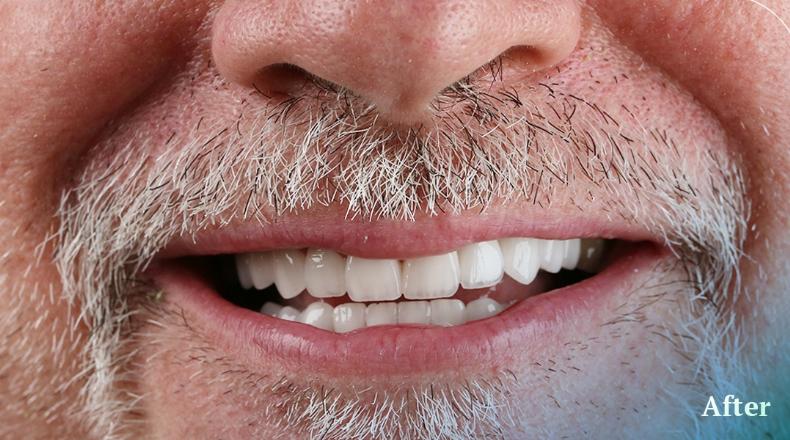
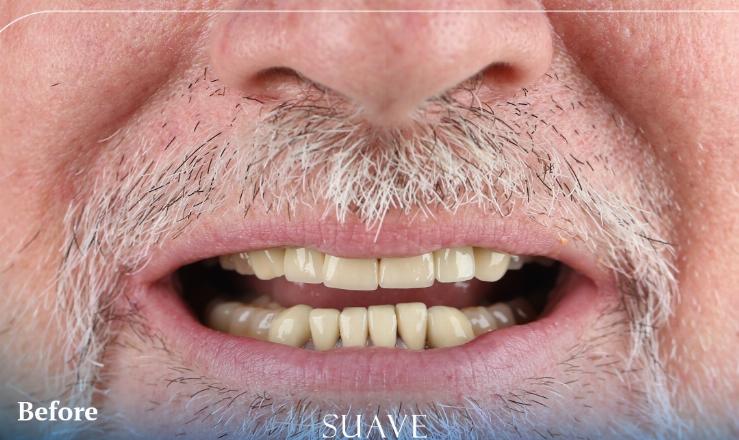
Suave Clinic
Verified clinicFull smile restoration · Istanbul
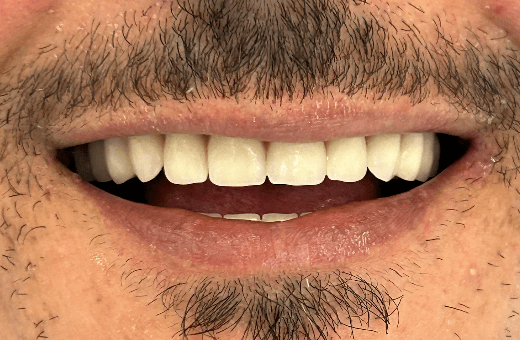
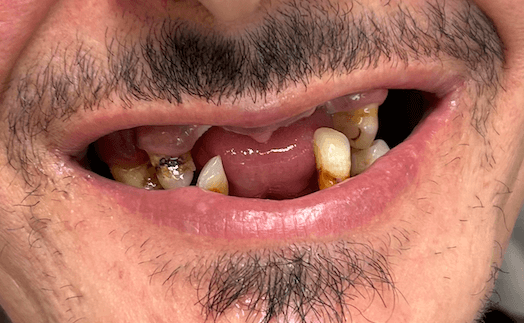
MDental Clinic
Verified clinicFull smile makeover · E-max veneers · Budapest
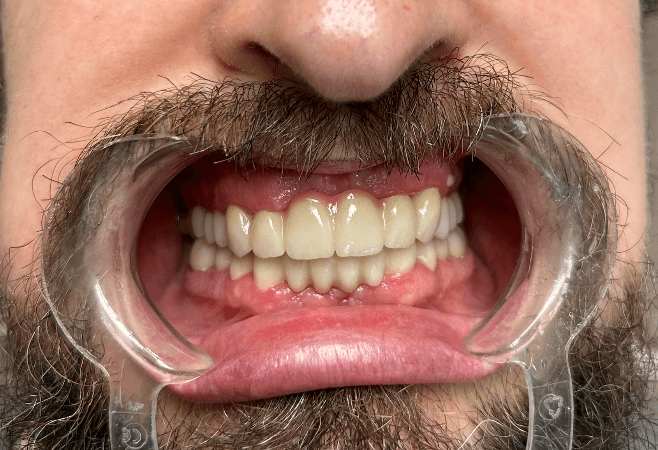
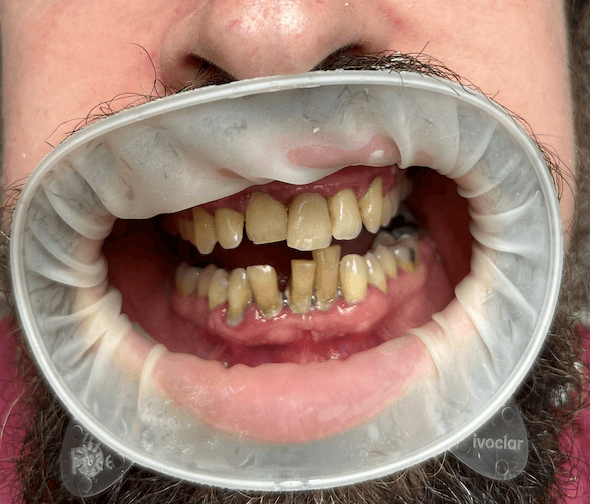
MDental Clinic
Verified clinicCrowns & restoration · Budapest
 Before → After
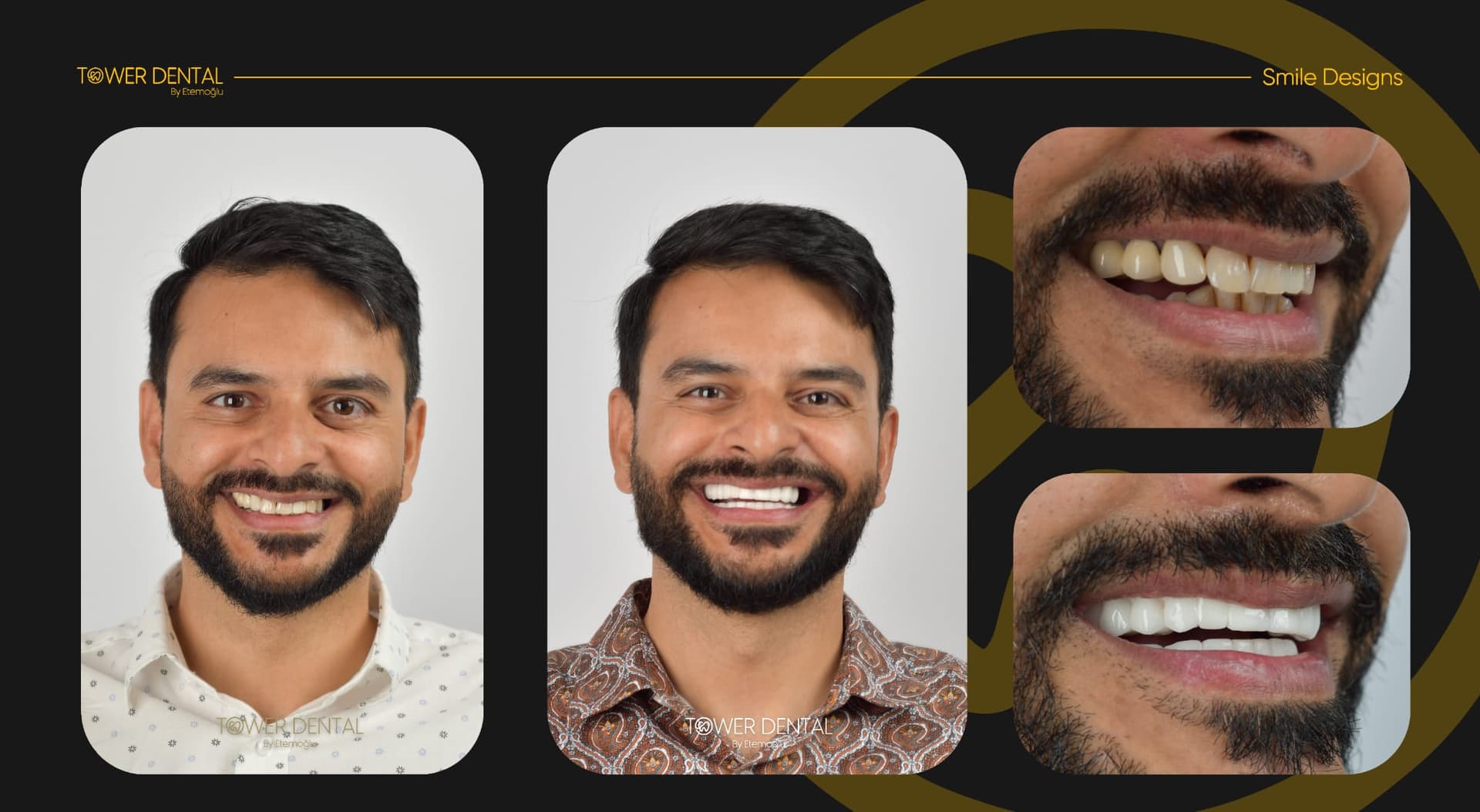
Tower Dental Clinic
Verified clinicHollywood smile · E-max veneers · Istanbul
References & Sources
All clinical claims, pricing data, and statistics in this article are based on peer-reviewed research, official regulatory sources, and publicly verifiable data. We invite you to verify anything before making a treatment decision.
- 1.BBC News, "Turkey teeth: The dental tourism risks patients don't see." February 2023.
- 2.BBC, "Turkey Teeth: Bargain Smiles or Big Mistake?" — documentary investigating dental tourism risks, 2022.
- 3.Euronews, "Medical tourism: Dental expert explains why Turkey teeth can be a costly mistake." October 2024.
- 4.General Dental Council (UK), "Going abroad for dental treatment" — patient guidance.
- 5.British Dental Association (BDA), "Dental tourism: Patients need to know the risks."
- 6.T.C. Saglik Bakanligi (Turkish Ministry of Health), Health Tourism Authorisation Regulations.
- 7.Kontakiotis, E.G. et al. (2015), "A prospective study of the incidence of asymptomatic pulp necrosis following crown preparation," Int. Endod. J., 48(6), 512-517.
- 8.Pjetursson, B.E. et al. (2012), "A systematic review of the survival and complication rates of implant-supported fixed dental prostheses after at least 5 years," Clin. Oral Implants Res., 23(S6), 22-38.
- 9.Sailer, I. et al. (2015), "All-ceramic or metal-ceramic tooth-supported fixed dental prostheses: a systematic review," Dent. Mater., 31(6), 603-624.
- 10.Türkiye Today, "1.5 million health tourists visited Türkiye in 2024, generating $3 billion in revenue." 2025.
Medical disclaimer: This article is for educational purposes and does not replace a clinical examination. Treatment outcomes vary between patients. Always consult a qualified dental professional.

About MyDentalFly
MyDentalFly is a UK-based platform that builds your treatment plan and matches you with vetted specialist clinics abroad — and a dentist at the clinic reviews and confirms every plan before you pay anything.
Our interactive assessment evaluates your dental needs and builds a bespoke package: every treatment explained, a matched clinic with reasons why, your named dentist, flight estimates, transport, and accommodation — all in one place. We maintain a small, vetted network across Turkey, Hungary and Poland, visit clinics in person, help arrange CBCT scans before you fly, and stay with you through the entire journey. Compare. Save. Smile.
Questions Pearl can answer about receding gums: causes, treatment and costs
- “Is treatment abroad safe?”
- “What would my case cost?”
- “Which clinic suits me?”
She answers in your own language, using prices from clinics we have checked. No sign-up, and she never asks for a phone number to give you an answer.
Tap a question — Pearl answers
Prefer a person? WhatsApp us · 020 4634 2312 · or
Clinically reviewed before booking
Every dental package built on MyDentalFly is reviewed by a qualified dentist before it gets accepted. Our clinical reviewers include specialists like Dr. Hubert Trępatowski — 800+ All-on-4 procedures, trained under Professor Paulo Malo (pioneer of the All-on-4 technique), graduate of Jagiellonian University Medical Faculty, Krakow.
About the author
Adam Smith
Head of Patient Research, MyDentalFly
Adam leads patient research at MyDentalFly, personally vetting clinics across Turkey, Hungary, and Poland. He has reviewed over 200 clinic proposals, analysed patient outcomes, and helped coordinate treatment plans for patients across the UK, USA, and Europe.


