Full Mouth Restoration in Turkey: The Complete 2026 Guide
A full mouth restoration is the most comprehensive dental treatment available -- rebuilding or replacing most or all of your teeth to restore function, health, and aesthetics. Turkey offers world-class full mouth rehabilitation at a fraction of Western prices, making treatments that would cost tens of thousands at home genuinely accessible.
We build your treatment plan and match you with vetted specialist clinics in Turkey, Hungary and Poland — and a dentist at the clinic confirms every plan before you pay anything.
Hi, I'm Pearl 👋 Ask me anything about full-mouth and All-on-4/6 treatment abroad — or tell me what you need and I'll build your package.
What I build for you
Prefer another language?
gap
worn
shade
Smile Analyser
Send one photo. I tell you what I can see.
Try asking about this
What Is a Full Mouth Restoration?
A full mouth restoration costs £5,000-15,000 in Turkey compared to £20,000-50,000 in the UK or $45,000-80,000 in the USA — a saving of 50-70% for the same implant brands, crown materials, and clinical outcomes. Based on 2026 pricing from MyDentalFly's network of 29 verified clinics across Istanbul, Antalya, and Budapest. Full mouth restoration (also called full mouth reconstruction) addresses all teeth in both jaws — it is designed for patients with extensive dental problems that cannot be resolved by treating individual teeth in isolation.
Unlike a single crown or a few veneers, a full mouth restoration involves a coordinated plan that may combine multiple types of treatment: dental implants, crowns, bridges, veneers, bone grafts, extractions, and sometimes orthodontic preparation. The goal is to rebuild the entire dentition into a functional, healthy, and aesthetically pleasing state. The treatment plan is customised to each patient's specific condition, goals, and budget.
Full mouth restoration in Turkey has become increasingly popular because the total cost savings are enormous. A case that might cost £25,000-50,000 in the UK or $45,000-80,000 in the USA can typically be completed for £5,000-15,000 in Turkey, depending on the complexity and the specific treatments involved. This makes life-changing dental rehabilitation accessible to patients who could never afford it at home, often transforming not just their smile but their confidence, diet, and overall quality of life.
Best for: People with multiple missing, damaged, or failing teeth who need extensive work — full-arch implants (All-on-4/6), combinations of implants and veneers, or complete smile rebuilds.
Key Insight
Full mouth restorations involve multiple procedures — implants, bone grafts, crowns, and temporary prosthetics. Getting an assessment first prevents surprise costs that can add thousands to your bill.
Types of Treatment
All-on-4 Full Arch Restoration
£4,000-6,500 per arch in Turkey
The All-on-4 protocol uses four strategically placed implants to support a complete fixed bridge for an entire arch (upper, lower, or both). Two implants are placed vertically in the anterior jaw, and two are placed at angles of up to 45 degrees in the posterior, maximising bone contact without the need for bone grafts in most cases. A provisional fixed bridge is typically fitted within 24-48 hours of surgery, giving the patient functional teeth immediately. After 4-6 months of healing, a permanent zirconia or acrylic bridge replaces the provisional. This is the most popular option for patients who have lost all or most teeth in one or both arches.
All-on-6 Full Arch Restoration
£5,500-8,000 per arch in Turkey
The All-on-6 approach places six implants per arch instead of four, providing additional support and stress distribution. It is often recommended for the upper jaw (where bone density is typically lower), for patients with adequate bone volume who want maximum long-term stability, or for cases where the bridge span is particularly long. The extra implants reduce the load on each individual fixture and provide redundancy -- if one implant were to fail, the prosthesis is still supported. The clinical process and timeline are similar to All-on-4.
Implant-Supported Bridges
£1,500-4,000 per bridge in Turkey
For patients missing multiple teeth in a section of the mouth (but not an entire arch), implant-supported bridges offer a fixed solution. Two or more implants are placed to support a multi-unit bridge spanning 3-6 teeth. This approach avoids the need for individual implants for every missing tooth, reducing both cost and surgical complexity. Implant-supported bridges are ideal for patients who have lost a cluster of adjacent teeth due to trauma, decay, or extraction.
Full Mouth Veneers and Crowns
£3,500-8,000 for full mouth in Turkey
For patients whose teeth are present but severely damaged, worn, discoloured, or misshapen, a full mouth restoration using veneers and crowns can rebuild the entire visible dentition without extractions or implants. Front teeth are typically restored with E-max veneers for optimal aesthetics, while back teeth receive zirconia or E-max crowns for strength. This approach is common for patients with advanced erosion, grinding damage, or long-term neglect who still have viable tooth roots.
Combination Treatments
£5,000-15,000+ in Turkey (varies widely)
Many full mouth restoration cases require a combination of different treatment types. A typical combination case might involve: extracting unsalvageable teeth, placing implants in the gaps, crowning damaged but restorable teeth, and placing veneers on front teeth for cosmetic improvement. Some patients need bone grafts or sinus lifts before implants can be placed. The treatment plan is entirely custom, addressing each area of the mouth with the most appropriate solution. This is where the expertise of the treatment planning team is most valuable.
Success Rates & Risks
90-96%
overall success rate across major clinical studies
Success by case type
All-on-4 full arch restoration94-98%
Combination implants + veneers93-97%
Full mouth with bone grafting88-94%
Severely compromised dentition (advanced bone loss)85-92%
Why implants fail
Implant failure in full-arch cases
2-6% per implant
Full mouth restorations involve multiple implants. Even with a 95% per-implant success rate, the chance of at least one complication across 6-10 implants is higher. Smoking, diabetes, and poor bone quality increase this risk.
Full-arch bridges are under significant biting forces. Acrylic provisional bridges are more prone to fracture than final zirconia restorations. Screw loosening in the first year is common and easily fixed.
Bite alignment issues post-restoration
10-15% require adjustment
Rebuilding an entire mouth changes the bite relationship. Fine-tuning the occlusion often requires multiple adjustments over the first few months. This is normal, not a failure.
Complication rates
Complication
Frequency
Severity
Post-surgical swelling and discomfort
90-100%
mild
Temporary numbness (lower jaw)
5-10%
moderate
Provisional bridge adjustment needed
20-30%
mild
Infection at one or more implant sites
3-8%
moderate
Need for additional bone grafting
15-25%
moderate
Implant failure requiring replacement
2-6%
serious
Based on meta-analyses from Clinical Oral Implants Research (2023), Journal of Prosthodontics (2024), and 10-year All-on-4 outcome studies from the Malo Clinic protocol.
Are You a Candidate?
Ideal candidates
Multiple missing or failing teeth across both arches
Current denture wearers wanting a fixed, permanent solution
Patients with severely worn, damaged, or decayed teeth
Good general health — able to undergo a longer surgical procedure
Committed to the full treatment timeline (including second trip for final restoration)
Realistic expectations — full mouth restoration is a process, not a single event
Minimum requirements
CBCT scan assessment to evaluate bone volume across both arches
All active infections (cavities, abscesses, gum disease) treated first
Willing to commit to 2 trips over 3-6 months
Able to follow a soft-food diet for 4-8 weeks post-surgery
Realistic budget — full mouth cases involve multiple procedures
Contraindications
Not suitable
Uncontrolled diabetes (HbA1c > 8%)
Multiple implant surgeries with compromised healing is high-risk. Diabetes must be controlled before proceeding with any implant-based restoration.
Not suitable
Active periodontal disease
Gum disease must be treated and stabilised before placing implants. Placing implants in infected tissue leads to early failure.
Caution
Heavy smoking (20+ cigarettes/day)
Full mouth cases involve more implants and longer healing. Smoking compounds the risk at every site. Most clinics require patients to quit or significantly reduce before proceeding.
Caution
Severe bone loss without willingness for grafting
Many full mouth cases require bone grafts or sinus lifts. If bone augmentation is refused, the treatment plan may need to rely on fewer implants (All-on-4 concept) or alternative approaches.
Price Comparison: Turkey vs Home Country
Prices shown in native currencies. Turkey prices in GBP.
UK average
Turkey price
Full Mouth Restoration
Save 68%
UK
£25,000
Tur
£8,000
All-on-4 Implants (Full Arch)
Save 62%
UK
£13,000
Tur
£5,000
All-on-6 Implants (Full Arch)
Save 57%
UK
£15,000
Tur
£6,500
Zirconia Crown
Save 79%
UK
£850
Tur
£179
Treatment
UK
USA
Europe
UAE
UK
Turkey
Saving
Full Mouth Restoration
£25,000
$45,000
€28,000
AED 100,000
£25,000
£8,000
68%
All-on-4 Implants (Full Arch)
£13,000
$25,000
€15,000
AED 55,000
£13,000
£5,000
62%
All-on-6 Implants (Full Arch)
£15,000
$30,000
€18,000
AED 70,000
£15,000
£6,500
57%
Zirconia Crown
£850
$1,400
€950
AED 3,800
£850
£179
79%
E-max Crown
£900
$1,500
€1,000
AED 4,000
£900
£225
75%
Bone Graft
£800
$1,500
€900
AED 4,000
£800
£200
75%
Sinus Lift
£1,200
$2,500
€1,400
AED 6,000
£1,200
£350
71%
Pearl
MyDentalFly’s dental consultant
One thing that catches people out: full-arch treatment isn't one appointment. The implants have to fuse to the bone before your final teeth go on, so it's usually a first visit, a healing period of a few months, and a second visit. Anyone promising it all in a week is describing the temporary set, not the finished result.
Where are you up to?
What Can Go Wrong
Complication rates, how likely each is, and how clinics handle them
What Can Go Wrong
Provisional bridge fracture
10-20% of acrylic provisionalsPreventable
The temporary acrylic bridge fitted on surgery day is not as strong as the final restoration. Hard or chewy foods can crack it, especially in the first few weeks.
How clinics handle this:
Repaired chair-side or a replacement provisional is made. This is a known limitation of provisional materials — the final zirconia or porcelain bridge is significantly stronger.
Single implant failure in a multi-implant case
2-6% per implantPreventable
One implant out of 6-10 may fail to integrate. This does not mean the whole restoration fails — the treatment plan is designed with redundancy.
How clinics handle this:
The failed implant is removed, the area heals, and a replacement implant is placed. In All-on-4/6 cases, the bridge can often continue functioning on the remaining implants while the replacement heals.
Bite adjustment needed
20-30% of cases
Rebuilding a full mouth changes the bite relationship. Some patients experience discomfort, uneven contact, or jaw tension until the bite is fine-tuned.
How clinics handle this:
Bite adjustments are a normal part of the process — done during follow-up visits. Most clinics include adjustments in the treatment plan cost.
Extended healing time
15-25% of complex cases
Patients with bone grafts, multiple extractions, or compromised health may heal slower than the standard 3-6 month timeline. This delays the final restoration.
How clinics handle this:
Your clinic monitors healing via X-rays and portal check-ins. The second trip is scheduled when healing is confirmed, not on a fixed date.
If something goes wrong after you return home
MyDentalFly provides direct messaging with your clinic through our patient portal. For full mouth cases, we assign a dedicated patient coordinator who monitors your healing journey. If you experience issues — a loose screw, bridge crack, or infection signs — message through the portal. If your clinic doesn't respond promptly, we intermediate on your behalf.
Full mouth restoration guarantees vary by component: 5-10 years on implant posts, 3-5 years on the bridge/prosthesis, and lifetime on the surgical procedure plan. Most clinics cover replacement of failed components — you cover travel only.
The Process: Step by Step
1
Comprehensive Online Assessment
3-7 days
Full mouth restoration begins with a thorough assessment. You complete an extensive dental questionnaire, upload panoramic X-rays or any existing scans, and provide photos of your current dental condition. Our system generates an intelligent treatment plan identifying all areas that need attention. For complex cases, some clinics offer a preliminary video consultation with the treatment coordinator or dentist to discuss your goals, medical history, and expected outcomes before you commit to travel.
2
Treatment Planning and Clinic Selection
1-2 weeks
Full mouth cases are complex, so the treatment planning phase is more involved than for single treatments. You receive detailed proposals from clinics, often including a breakdown of each component: which teeth will be extracted, where implants will be placed, which teeth will receive crowns or veneers, and whether any preparatory procedures (bone grafts, sinus lifts) are needed. Compare clinics on their experience with full mouth cases, their laboratory capabilities, and the specific materials proposed.
3
Arrival and Comprehensive Examination
Day 1
Your first day at the clinic involves a full diagnostic workup: 3D CBCT scan, intraoral scan, detailed photographs, periodontal assessment, and bite analysis. The treatment plan is confirmed or refined based on these in-person findings. For very complex cases, the dentist may consult with specialists (periodontist, prosthodontist, oral surgeon) to finalise the plan. You receive a complete breakdown of the work to be done, the materials to be used, and the schedule for your stay.
4
Preparatory Procedures
Day 1-3
If your case requires preparatory work, it happens early in your visit. This may include: extractions of unsalvageable teeth, bone grafting to build up areas of bone loss, sinus lifts to create adequate bone height in the upper posterior jaw, or deep cleaning to treat gum disease before restorative work begins. In some cases, these preparatory procedures must heal for several months before implant placement, which may add a separate preliminary trip to your timeline.
5
Implant Placement
Day 2-4
If your plan includes implants (most full mouth restorations do), the surgical phase comes next. For All-on-4 or All-on-6 cases, all implants for a full arch are placed in a single session lasting 1-3 hours under local anaesthesia with optional sedation. For individual implants or implant-supported bridges, placement is scheduled efficiently across one or two appointments. The surgeon uses guided surgery protocols informed by the 3D CBCT data for precise placement.
6
Provisional Restorations
Day 3-7
Within 24-72 hours of implant placement, provisional (temporary) restorations are fitted. For All-on-4 and All-on-6 patients, this means a complete fixed provisional bridge, allowing you to eat and smile with confidence from the first week. For crown-and-veneer cases, temporary restorations protect the prepared teeth while the laboratory fabricates the permanent ones. This phase ensures you never leave Turkey without functional, presentable teeth, even if the final prosthetics require a second visit.
7
Final Restorations and Completion
Same trip or return visit (3-6 months later)
For cases completed in a single trip (full mouth veneers and crowns, or immediate-load implant cases with final prosthesis), the permanent restorations are bonded during the same visit after laboratory fabrication. For implant cases requiring osseointegration, you return after 3-6 months for a second visit of 5-7 days to receive your permanent zirconia bridges, crowns, or prosthetics. The final appointment includes bite adjustment, occlusal checking, polishing, and a comprehensive review. Your clinic provides a written guarantee and long-term aftercare plan.
Recovery: What to Really Expect
Day by day, pain levels, and when you can eat and fly normally
Recovery: What to Really Expect
1
Day 1 (surgery day)
Pain: Moderate to high (5-7/10)
Full mouth surgery is longer (3-6 hours) and more involved than single implants. Significant swelling is expected. Provisional bridge or denture is fitted same day. You'll need rest.
Liquid diet onlyNo smokingIce packs constantlySleep elevatedTake all prescribed medications
2
Day 2-5
Pain: Moderate, decreasing (4-6/10)
Peak swelling at 48-72 hours. Bruising may extend to neck and chest area (gravity). Pain managed with prescribed medication. Speaking may feel different with the provisional.
Soft/liquid food onlyNo smokingGentle salt water rinses from day 2No straws
3
Week 1-2
Pain: Mild (2-4/10)
Swelling reduces significantly. You transition to soft foods. The provisional bridge begins to feel more natural. Most patients feel comfortable enough for light tourism.
Soft food onlyNo crunchy or hard foodsCareful oral hygiene around surgical sites
4
Month 1-3
Pain: Minimal (0-1/10)
Osseointegration underway. You eat most foods carefully. The provisional functions well for daily life. Regular check-ins with your clinic via the portal.
Avoid very hard foodsNo biting into hard objectsMaintain excellent oral hygiene
5
Month 3-6 (second trip)
Pain: Mild during fitting (1-2/10)
Return for final restoration. Provisional removed, impressions taken, final zirconia or porcelain bridge fitted and adjusted. This trip is typically 5-7 days.
Soft food for 48 hours after final fittingBite adjustments may continue at follow-up
Return to work
Desk work: 5-7 days after surgery. Physical labour: 2-3 weeks. Full mouth surgery is more extensive than single implants — plan accordingly.
Day 1-3: Liquids only (smoothies, broth, protein shakes)
Day 4-14: Very soft foods (mashed potato, yoghurt, scrambled eggs, soup)
Week 2-8: Soft foods, gradually reintroducing normal textures
Avoid: anything hard, crunchy, chewy, or sticky for 8 weeks minimum
With provisional bridge: be cautious — it's functional but not as strong as the final restoration
Travel note: Safe to fly 48 hours after surgery. Plan 7-10 days for the first trip (surgery + initial healing). The second trip (final restoration) is typically 5-7 days, scheduled 3-6 months later.
Why Turkey?
As of 2026, the financial case for full mouth restoration in Turkey is overwhelming. A treatment that costs £25,000-40,000 in the UK or $45,000-80,000 in the USA can be completed for £5,000-15,000 in Turkey, with the same implant brands (Nobel Biocare, Straumann, MIS, Osstem), the same ceramic materials (E-max, zirconia), and comparable or equivalent technology. For many patients, the savings are not just significant -- they make the difference between getting treatment and continuing to live with pain, poor function, and compromised quality of life.
All-Inclusive Packages
Most Turkish clinics bundle implants, crowns, bone grafts, temporary teeth, and follow-up into one transparent price.
Advanced Technology
CBCT 3D imaging, CAD/CAM milling, and guided surgery are standard in Turkish full-arch cases.
Experienced Surgeons
Turkish clinics handle high volumes of complex cases — many surgeons have placed 10,000+ implants.
JCI & ISO Certified
Leading clinics hold international accreditations guaranteeing patient safety and clinical standards.
Coordinated Care
Surgeon, prosthodontist, and lab technician work in-house — no outsourcing delays or miscommunication.
Global Patient Base
Clinics regularly treat patients from the UK, Germany, Australia, and the Middle East.
Verified clinics
Your full mouth restoration plan, clinically reviewed
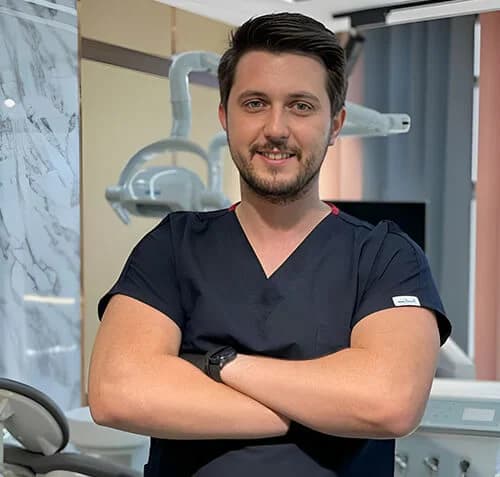
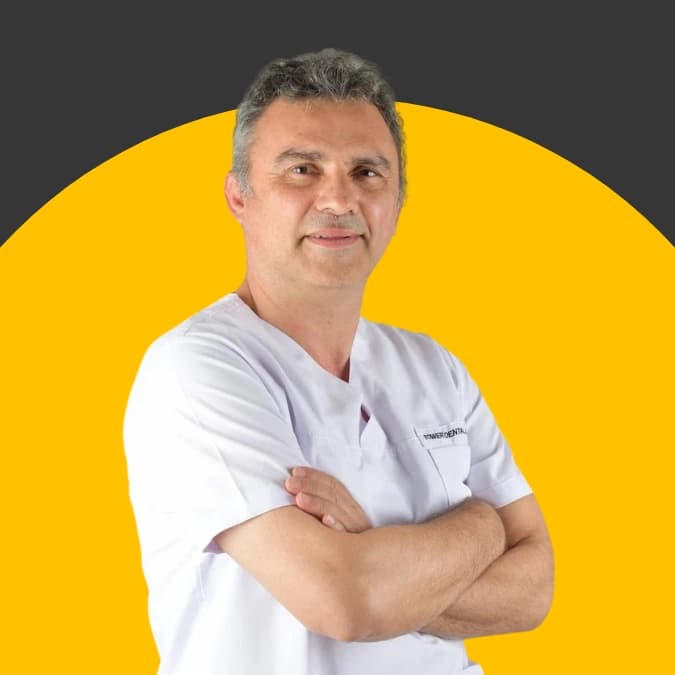
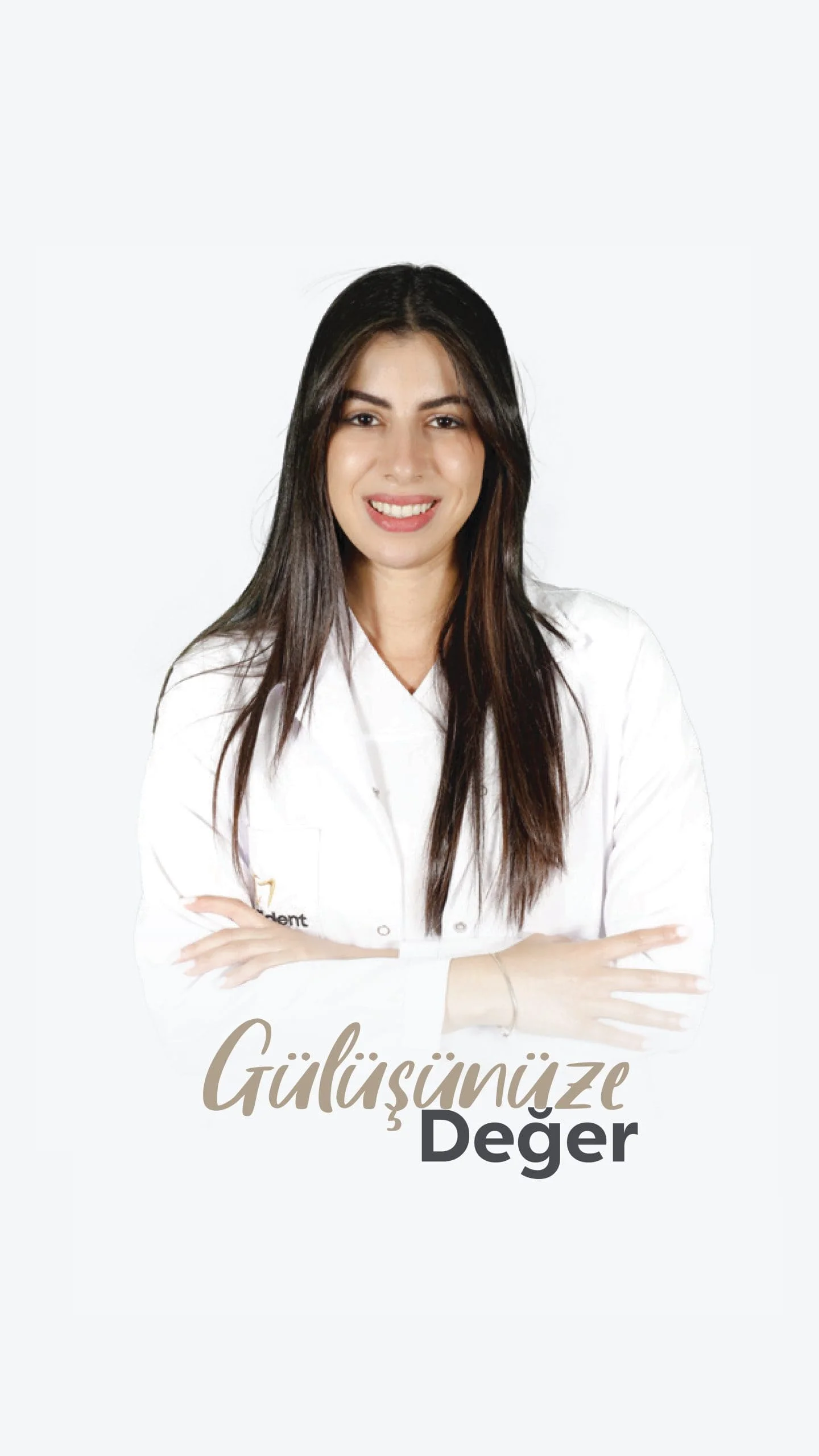
1 You complete the dental assessment2 You get your bespoke dental package3 Dentists like these review it
Your report goes to up to 3 clinics. Their lead dentists create a clinically reviewed treatment plan with exact pricing — so you know everything before you decide.
You've done the reading. Want the file for your own case?
We deal with patients worldwide — from the UK, USA, Canada and across Europe. Tell us what’s bothering you and get your plan with real prices from clinics picked for your case — then their own written quotes, all on one page. No talking to ten clinics, no year of research: one assessment, one page, one day.
A full mouth restoration (both arches, All-on-4 concept) in Turkey costs £8,000-15,000 upfront. Over 15 years with maintenance and one bridge replacement: approximately £12,000-22,000 total. The equivalent in the UK: £25,000-50,000 upfront, £35,000-65,000 over 15 years.
Alternatives to Consider
Other treatments that may suit your case better, with pros and cons
Alternatives to Consider
Total budget availableNumber of failing/missing teethBone volume and qualityHow long you can stay per tripWhether you want fixed or removable teethOverall health and healing capacity
Full Dentures (removable)
Turkey
£400-1,000 per arch in Turkey
UK
£1,500-3,000 per arch
Budget is the primary concern, or you are not a candidate for implant surgery due to health conditions or severe bone loss.
Pros
Lowest cost option
No surgery required
Can be made in 1-2 weeks
Suitable for almost everyone
Cons
Removable — must be taken out daily
Can slip during eating and speaking
Accelerates bone loss over time
Needs replacing every 5-8 years
Reduced chewing efficiency (30-40% of natural teeth)
Implant-supported overdentures
Turkey
£3,000-5,000 per arch in Turkey
UK
£8,000-15,000 per arch
You want more stability than regular dentures but don't need or can't afford a fixed full-arch bridge. Uses 2-4 implants to clip the denture in place.
Pros
Much more stable than regular dentures
Fewer implants needed (2-4 vs 4-6)
Lower cost than full fixed bridge
Removable for cleaning
Slows bone loss
Cons
Still removable (taken out for cleaning)
Less natural feeling than a fixed bridge
Clips and attachments need periodic replacement
Not as strong bite force as fixed bridge
Phased treatment (not all at once)
Turkey
Varies — typically £2,000-5,000 per phase
UK
Varies — typically £5,000-15,000 per phase
You can't afford full restoration at once, or you prefer to spread the treatment over time. Address the most urgent issues first, then improve over multiple trips.
Pros
Lower upfront cost per trip
Spread financial commitment
Address urgent problems first
Easier recovery (less done at once)
Cons
Multiple trips required
Total cost may be higher than doing everything at once
Temporary solutions between phases
Longer overall timeline (1-2 years)
Key Takeaway
Full mouth restoration involves multiple procedures and requires careful planning. The difference between a good outcome and a problem is the initial assessment — it determines what combination of treatments you actually need, flags hidden costs like bone grafts, and ensures clinics quote for the same scope of work. Start by building your dental package.
Example dental packages
Real prices from verified clinics — including flights and hotel
Frequently Asked Questions
How much does a full mouth restoration cost in Turkey?
Total costs depend heavily on the specific treatments required. A full mouth restoration using veneers and crowns (no implants) typically ranges from £3,500-8,000. An All-on-4 restoration for both arches costs approximately £8,000-13,000. Complex combination cases involving implants, bone grafts, crowns, and veneers can range from £10,000-20,000. These figures compare to £25,000-50,000+ in the UK and $45,000-80,000+ in the USA for equivalent treatment. Your personalised treatment plan will include a detailed cost breakdown.
How long do I need to stay in Turkey for a full mouth restoration?
The initial trip typically requires 7-10 days. Cases involving only crowns and veneers (no implants) can sometimes be completed in a single trip of 7-10 days. Cases involving implants usually require two trips: an initial visit of 7-10 days for surgery and provisional restorations, followed by a return visit of 5-7 days after 3-6 months for the permanent prosthetics. Some clinics offer protocols that minimise trips, and your treatment plan will specify the expected schedule.
Is a full mouth restoration painful?
Procedures are performed under local anaesthesia, and sedation is available for patients who prefer it. The surgical phases (extractions, implant placement, bone grafts) involve post-operative discomfort that is typically well-managed with prescribed painkillers. Most patients report that the discomfort is less than they feared. Non-surgical phases (crowns, veneers) involve minimal or no discomfort. Your clinic will provide a comprehensive post-operative care kit and clear instructions for managing recovery.
Can everything be done in one trip?
It depends on the treatment plan. Full mouth restorations involving only crowns and veneers can usually be completed in a single trip of 7-10 days. Cases involving dental implants typically require two trips, because the implants need 3-6 months to integrate with the bone before the permanent restorations can be attached. During the first trip, you receive provisional (temporary) restorations so you leave with functional teeth. Some clinics offer immediate-loading protocols that may allow single-trip completion for select implant cases.
What if I need bone grafts or sinus lifts?
Bone grafts and sinus lifts are common in full mouth restoration cases, particularly for patients who have been missing teeth for an extended period (bone resorbs over time without tooth stimulation). These procedures add to both the cost and the timeline. In some cases, bone grafting can be done simultaneously with implant placement, avoiding an extra visit. In more severe cases, the graft needs 3-6 months to heal before implants can be placed, potentially adding a third trip. Your CBCT scan will determine whether these procedures are needed.
What materials are used for the final restorations?
The most common materials for full mouth restorations in Turkey are: monolithic zirconia for full-arch bridges (All-on-4, All-on-6) due to its exceptional strength and durability; E-max (lithium disilicate) for individual crowns and veneers on visible front teeth due to its natural translucency; and porcelain-fused-to-zirconia for cases where both strength and aesthetics are critical. The specific material choice depends on the location in the mouth, functional demands, and aesthetic requirements. Your treatment plan will specify the materials for each component.
How do I maintain a full mouth restoration long-term?
Maintain excellent oral hygiene: brush twice daily with a soft-bristled brush, use interdental brushes or water flossers around implant areas, and floss between natural teeth. Attend dental check-ups and professional cleanings every 6 months. If you grind your teeth, wear a custom night guard. Avoid smoking, which significantly increases the risk of implant failure and gum disease. With good care, implant-supported restorations can last 15-25 years, and crowns and veneers 10-20 years, before any components need replacement.
What guarantees are offered on full mouth restorations?
Clinics on our platform provide written guarantees covering each component of the restoration. Typical guarantee periods are: implant posts 5-10 years (some clinics offer lifetime), zirconia bridges 5-7 years, individual crowns and veneers 3-5 years. Guarantees cover manufacturing defects and premature clinical failure under normal use. They do not cover damage from trauma, neglect, or failure to follow aftercare instructions. For full mouth cases, the guarantee is documented in detail in your treatment plan.
Am I too old for a full mouth restoration?
Age alone is not a contraindication. Patients in their 60s, 70s, and even 80s routinely undergo successful full mouth restorations, including implant placement. The key factors are overall health, bone quality, and the ability to undergo dental procedures. Conditions like uncontrolled diabetes, certain medications (bisphosphonates), active cancer treatment, or heavy smoking may affect suitability or require modified approaches. Your medical history is reviewed carefully during the assessment phase, and your dentist will advise on any health-related considerations.
How do I choose between All-on-4 and individual implants?
All-on-4 (or All-on-6) is typically recommended when you are missing most or all teeth in an arch and want a fixed, non-removable solution. It is efficient (4-6 implants per arch vs. 8-12 individual implants), often avoids bone grafts, and is more cost-effective for full-arch replacement. Individual implants are better when you are only missing a few scattered teeth and the remaining teeth are healthy and worth preserving. Your dentist will recommend the approach that best suits your specific clinical situation and goals.
What your package would look like
Your package, building
Example
Package total
building…
—
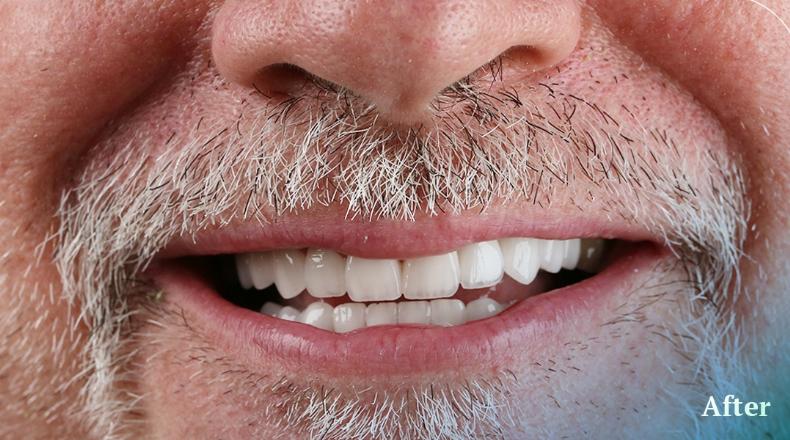
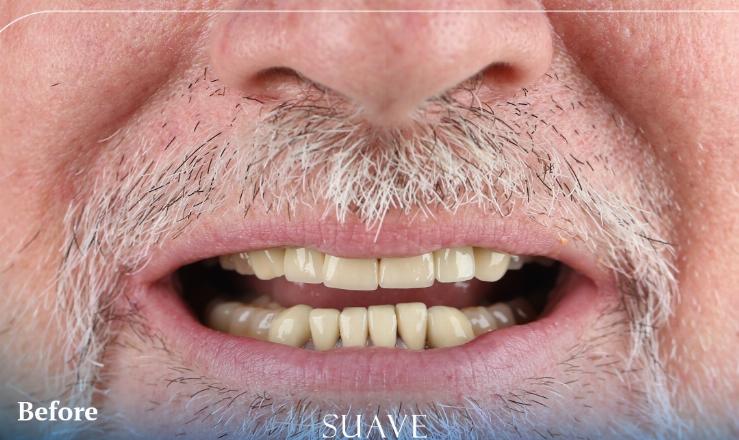
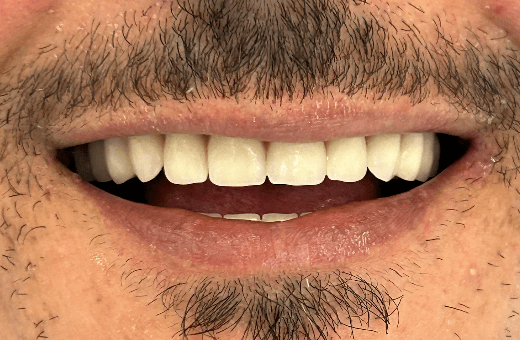
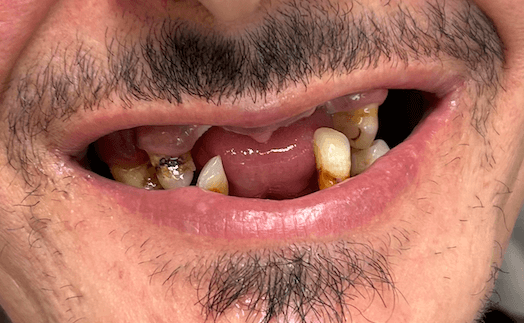
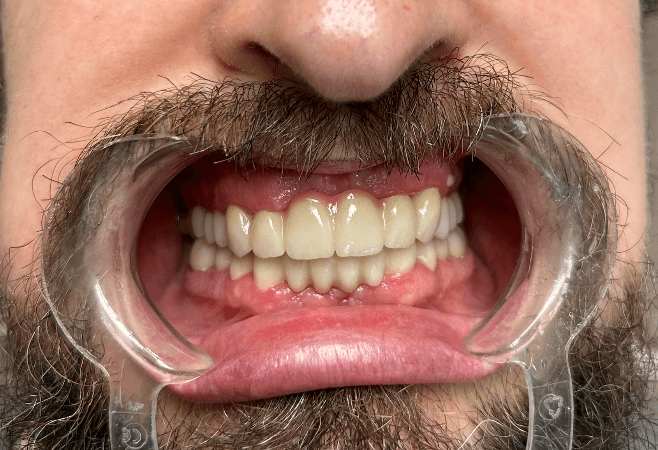
Real results from verified clinics
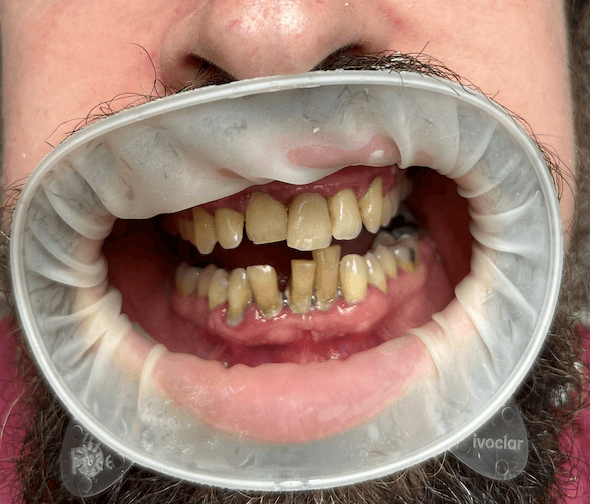
Drag the slider to compare before & after
AFTER
BEFORE
← Drag to compare →
Suave Clinic
Verified clinic
Full smile restoration · Istanbul
AFTER
BEFORE
← Drag to compare →
MDental Clinic
Verified clinic
Full smile makeover · E-max veneers · Budapest
AFTER
BEFORE
← Drag to compare →
MDental Clinic
Verified clinic
Crowns & restoration · Budapest
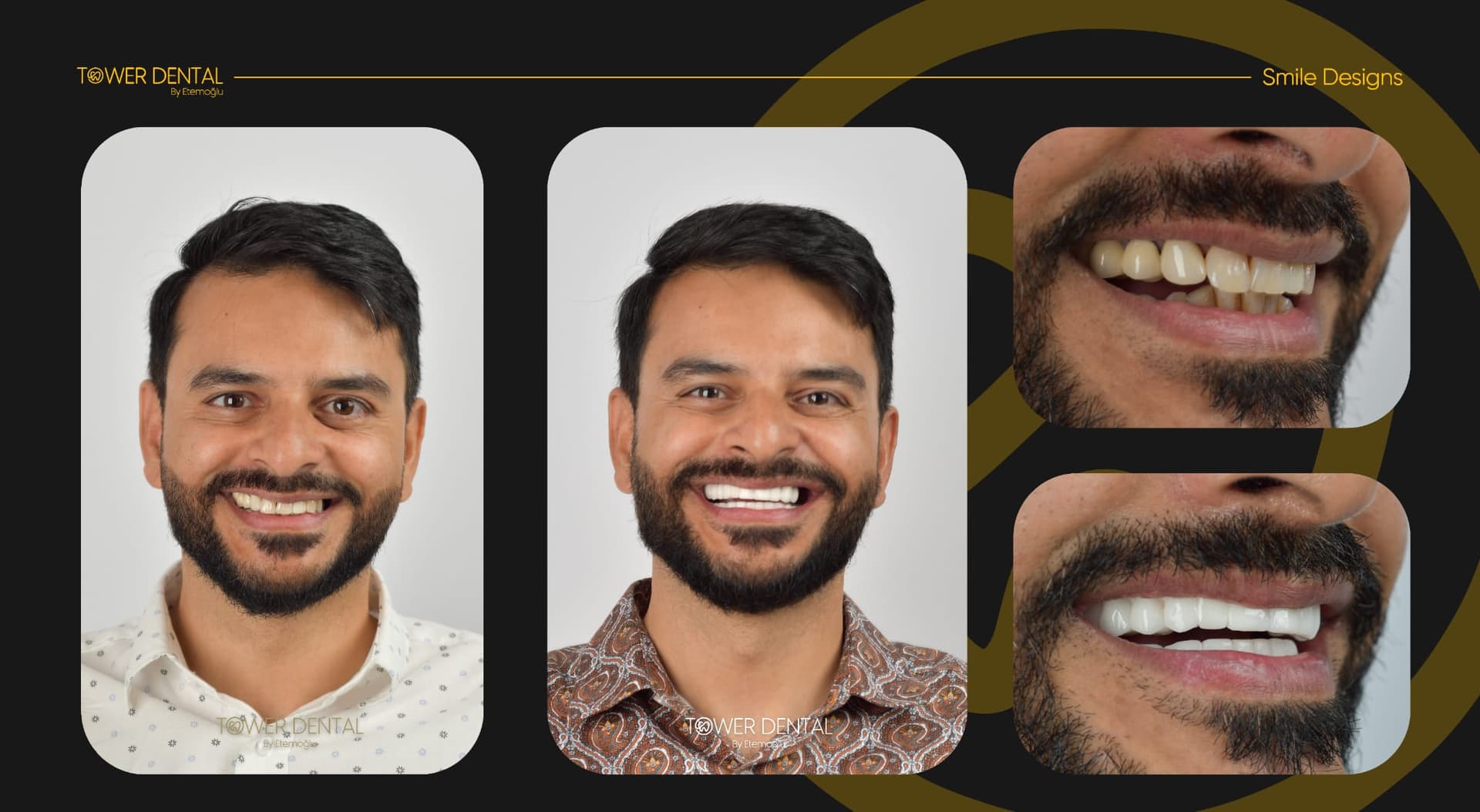
Before → After
Tower Dental Clinic
Verified clinic
Hollywood smile · E-max veneers · Istanbul
References & Sources
All clinical claims, pricing data, and statistics in this article are based on peer-reviewed research, official regulatory sources, and publicly verifiable data. We invite you to verify anything before making a treatment decision.
Medical disclaimer: This article is for educational purposes and does not replace a clinical examination. Treatment outcomes vary between patients. Always consult a qualified dental professional.
About MyDentalFly
MyDentalFly is a UK-based platform that builds your treatment plan and matches you with vetted specialist clinics abroad — and a dentist at the clinic reviews and confirms every plan before you pay anything.
Our interactive assessment evaluates your dental needs and builds a bespoke package: every treatment explained, a matched clinic with reasons why, your named dentist, flight estimates, transport, and accommodation — all in one place. We maintain a small, vetted network across Turkey, Hungary and Poland, visit clinics in person, help arrange CBCT scans before you fly, and stay with you through the entire journey. Compare. Save. Smile.
500+ patients helped·Nothing is charged until the clinic's dentist confirms your plan
Vetted clinics only Turkey · Hungary · Poland1,875 verified pricesAsk Pearl how it works ↓
Adam leads patient research at MyDentalFly, personally vetting clinics across Turkey, Hungary, and Poland. He has reviewed over 200 clinic proposals, analysed patient outcomes, and helped coordinate treatment plans for patients across the UK, USA, and Europe.
EE
Clinically reviewed by
Dr. Ertan Etemoglu
Lead Dentist & Co-Founder, Tower Dental Clinic
26 years in practice · 8,000+ patients/year · Turkish & American Dental Association member · Featured on Reuters