Inlays vs Onlays vs Crowns Explained
By Adam Smith, Head of Patient Research
Updated 28 March 2026 · Dental tourism researcher · Clinic vetting specialist · 40+ clinics assessed on-site
Clinically reviewed by Dr. Ertan Etemoglu, Lead Dentist & Co-Founder
Tower Dental Clinic, Istanbul · 26 years in practice · 8,000+ patients/year · Turkish & American Dental Association member · Featured on Reuters
About MyDentalFly
We build your treatment plan and match you with vetted specialist clinics in Turkey, Hungary and Poland — and a dentist at the clinic confirms every plan before you pay anything.
Vetted clinics only· Turkey · Hungary · Poland·1,875 verified prices
Pearl, our dental consultant
Pearl
Pearl · online
Hi, I'm Pearl 👋 Ask me anything about crowns abroad — or tell me what you need and I'll build your package.
Try asking about this

Not sure whether you need an inlay, onlay, or crown? Here's how dentists decide — and what each costs.
Most people have heard of crowns. Far fewer know that inlays and onlays exist — and that for many patients, they're a better option: less drilling, more of your natural tooth preserved, and often cheaper.
The difference between them is mostly about how much of your tooth needs protecting.
What's the Actual Difference?
Think of it as a spectrum of coverage:
- Inlay — fits inside the cusps (the raised points) of a back tooth. Like a puzzle piece that fills a cavity too large for a regular filling but doesn't touch the outer edges.
- Onlay — extends over one or more of the cusps. It covers more surface area than an inlay but still preserves most of the natural tooth structure.
- Crown — caps the entire visible tooth. Used when there isn't enough healthy tooth left to support an inlay or onlay.
None of them are better or worse in isolation. The right choice depends entirely on how much tooth structure remains after decay or damage is removed.
Pearl
MyDentalFly’s dental consultant
Worth knowing: a crown is usually recommended for a reason — a big filling, a root canal, a cracked tooth — and that reason decides the material as much as the price does. A back tooth taking chewing force and a front tooth on show aren't the same job, so a single 'per crown' price rarely tells the whole story.
Which teeth are we talking about?
When Dentists Choose Each Option
A dentist will typically recommend:
An inlay when the decay sits between the cusps and a regular filling would be too large to be reliable. Inlays bond tightly and can last well over a decade with good care.
An onlay when one or more cusps are cracked, weakened, or decayed. It offers more protection than an inlay without the full coverage of a crown — sometimes called a "partial crown" for this reason.
A crown when the tooth is severely broken, has had a root canal, or there simply isn't enough healthy structure left. A crown is also used after a dental implant is placed (the crown sits on top of the implant post).
"My dentist back home said I needed a crown, but the clinic in Istanbul told me an onlay would do the same job and cost less. I wish I'd had a second opinion earlier."
The honest truth: crowns are sometimes over-prescribed. They're faster for the dentist and more profitable. If a second opinion is available, it's worth getting one. If you've completed the free assessment on MyDentalFly, your dental package will flag whether a tooth appears to need full coverage or could be suitable for a more conservative option — and our Pearl AI can answer follow-up questions based on your specific dental data.
What They Cost (UK vs Turkey)
Here's where it gets interesting. Inlays and onlays aren't widely advertised in the UK — many patients don't even know to ask for them. But in Turkey and Hungary, they're commonly performed and priced clearly.
| Treatment | UK (average) | Turkey (range) | Saving |
|---|---|---|---|
| E-max Crown | £900 | £140–£250 | Up to 84% |
| Porcelain Crown | £800 | £100–£180 | Up to 87% |
| Zirconia Crown | £850 | £120–£220 | Up to 86% |
| Ceramic Inlay | £350–£500 | £80–£150 | Up to 78% |
| Ceramic Onlay | £400–£600 | £100–£180 | Up to 75% |
UK prices are estimates for private treatment. NHS patients may pay Band 3 charges (currently £306.80), but complex restorations are often not available on the NHS.
If you need multiple teeth treated — which is common in patients who've delayed treatment — the savings add up fast. Four inlays in Turkey instead of the UK could save you over £1,200 on treatment alone, before factoring in the cost of the flight.
For current Turkey pricing across all treatments, see our dental prices in Turkey 2026 guide.
Materials: Composite, Ceramic, or Zirconia?
The material affects durability, appearance, and cost.
Composite resin — the cheapest option for inlays and onlays, but more prone to staining and wear. Often used for back teeth where aesthetics matter less.
E-max (lithium disilicate ceramic) — the gold standard for inlays, onlays, and crowns on visible teeth. Strong, natural-looking, and bonds well to tooth structure. This is what most patients end up choosing.
Zirconia — extremely durable, slightly less translucent than E-max. Preferred for crowns on back teeth that take heavy chewing load. Also good if you have a history of grinding.
Porcelain-fused-to-metal (PFM) — older technology, still used. The metal base can cause a grey line at the gumline over time. Many clinics have largely moved away from these in favour of full-ceramic options.
When comparing clinics, check what material is included in the quoted price. A £180 E-max crown and a £130 PFM crown are not the same thing.
Which Lasts Longest?
With proper care, here's what the evidence suggests:
- Composite fillings: 5–10 years
- Composite inlays/onlays: 8–15 years
- Ceramic (E-max) inlays/onlays: 15–25 years
- Zirconia crowns: 15–25+ years
- E-max crowns: 10–20 years
Inlays and onlays often outperform crowns on longevity in healthy teeth because they preserve more natural tooth structure. Natural enamel is stronger than any restoration material. The more you keep, the better the long-term outcome.
That said, a poorly placed inlay can fail faster than a well-placed crown. The skill of the treating dentist — and the quality of the lab producing the restoration — matters enormously.
Can You Get Inlays and Onlays Abroad?
Yes. Inlays and onlays are routinely performed in Turkey, Hungary, Poland, Spain, and Dubai — often to the same clinical standard as in the UK, using the same materials from European and American dental labs.
Turkey is the most popular destination purely on price. But Hungary (particularly Budapest) has a long-established reputation for complex restorative work, with many UK-trained dentists and accredited labs. Spain and Dubai appeal to patients who want to combine treatment with a holiday or work trip.
The process is straightforward. Most inlays and onlays require two visits: one to prepare the tooth and take impressions, one to fit the final restoration. Some clinics now use CAD/CAM milling technology to do same-day restorations, which can compress the treatment into a single longer appointment — useful for dental tourists with limited time.
If you're considering going abroad, read our guide on how to choose a dental clinic in Turkey before booking anything.
One thing to watch for: inlays and onlays require more precision than fillings. Don't just go for the cheapest quote. A poorly fitted restoration can cause sensitivity, cracking, or failure within a few years. Unlike directories that list any clinic that pays for a spot, MyDentalFly only works with vetted clinics — each reviewed against clinical and patient experience standards before they appear in your results.
Once your dental package is ready, you can use the side-by-side clinic comparison to see real prices, in your currency, from clinics across multiple destinations — not just Turkey.
Deciding Between Inlays, Onlays, and Crowns
If you're trying to work out what you need before your next appointment, the main questions are:
- How much of the tooth is still intact?
- Has the tooth had a root canal?
- Is it a back tooth (high chewing load) or a front tooth (aesthetic priority)?
- Do you grind your teeth at night?
An inlay or onlay is worth asking about if your tooth is mostly intact but has significant decay or an old failing filling. If your dentist immediately recommends a crown without mentioning the alternatives, it's reasonable to ask why.
For patients comparing this decision alongside veneers (for cosmetic concerns), see our veneers vs crowns guide — they serve very different purposes.
Start with the free assessment. Complete the interactive dental chart, answer the health questions, and you'll have a dental package that gives you a structured view of what each tooth may need — before you've committed to any clinic or country.
What's the difference between an inlay and a filling?
A filling is placed as a soft material that hardens in place. An inlay is custom-made in a lab (or milled by machine) to fit the cavity precisely, then bonded in. Inlays are stronger, longer-lasting, and more accurate — but cost more and require at least two appointments.
Can an onlay replace a crown?
Sometimes, yes. If enough of the tooth structure remains, an onlay can provide similar protection to a crown while preserving more of the natural tooth. Ask your dentist to assess whether an onlay is viable before committing to a crown.
Is it safe to get an inlay or onlay in Turkey?
Yes, provided you choose a properly accredited clinic with experienced restorative dentists and a quality dental lab. Turkey has hundreds of clinics — quality varies significantly. Stick to clinics that can show patient reviews, accreditation, and clear before/after documentation.
How many appointments do I need if I go abroad?
Most inlays and onlays require two appointments (preparation and fitting), typically 5–7 days apart. Some clinics offering CAD/CAM technology can do same-day restorations in a single extended visit. Confirm this before booking travel.
Will my UK dentist accept work done abroad?
Most UK dentists will check and maintain dental work done abroad, though some are cautious about it. It helps to return with full documentation of the materials used and a clinical report from the treating dentist. MyDentalFly clinics provide a patient summary for exactly this reason.
See also: Is Dental Tourism Safe?
Next Steps
The candidacy checker tells you in 60 seconds if you're suitable for implants. The dental assessment builds your bespoke dental package — mapping your teeth and matching you with the right clinic. The savings calculator shows verified clinic prices vs home costs.
We've verified every clinic on our platform and removed eight that didn't meet our standards — unlike directories that list anyone who pays. Your dental tourism consultant coordinates everything once you're ready.
Guide: Dental Implants Abroad Guide
Related: Dental Implants vs Bridges: How to Decide
Related: Dental Crown Cost: UK vs Abroad
What your package would look like
Your package, building
ExamplePackage total
building…
—
Real results from verified clinics
Drag the slider to compare before & after
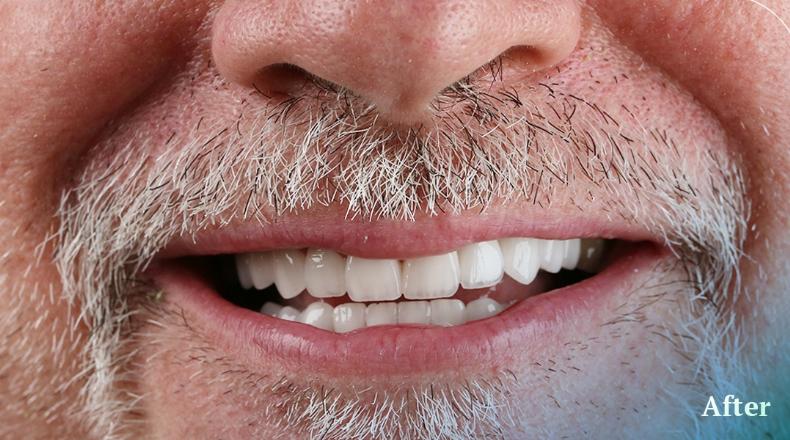
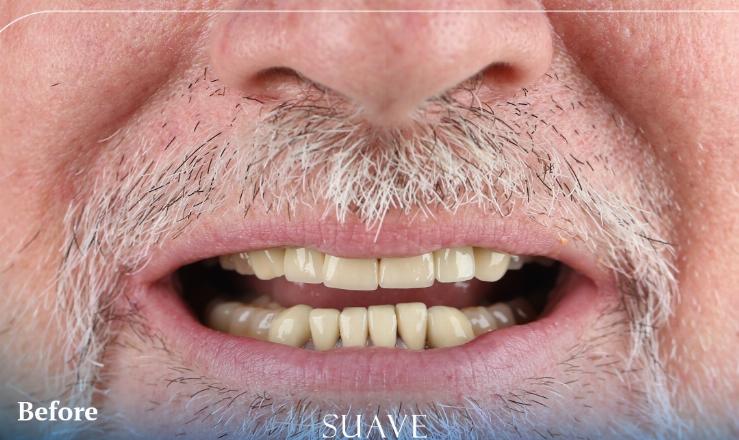
Suave Clinic
Verified clinicFull smile restoration · Istanbul
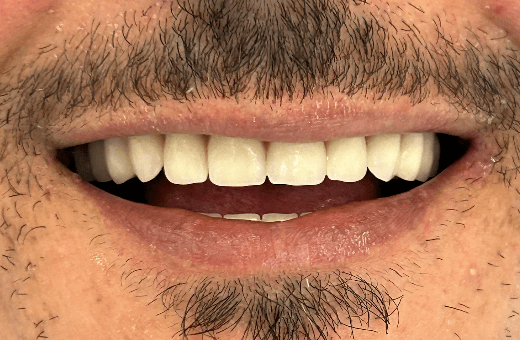
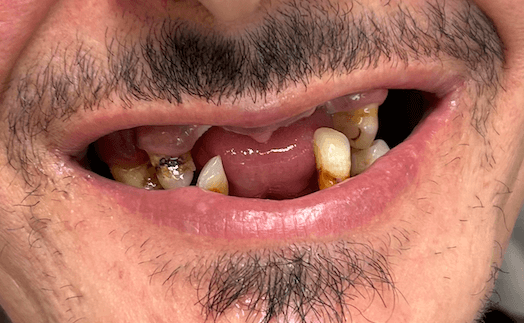
MDental Clinic
Verified clinicFull smile makeover · E-max veneers · Budapest
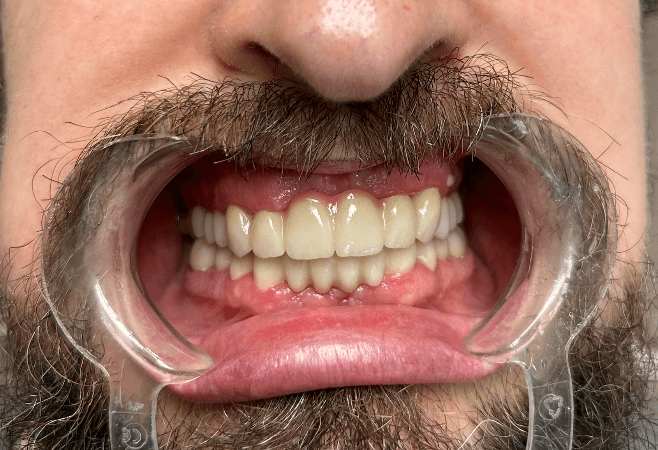
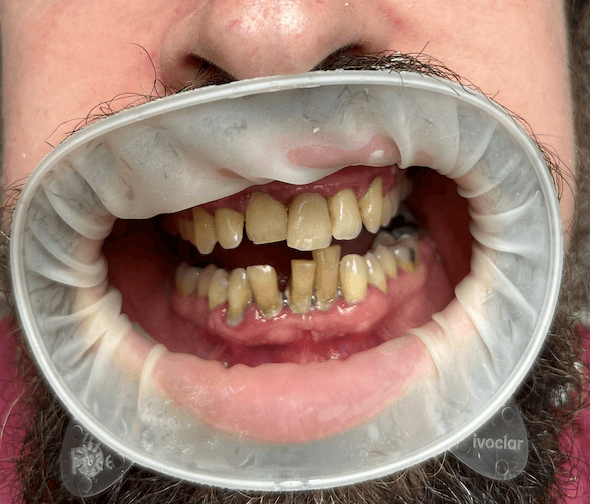
MDental Clinic
Verified clinicCrowns & restoration · Budapest
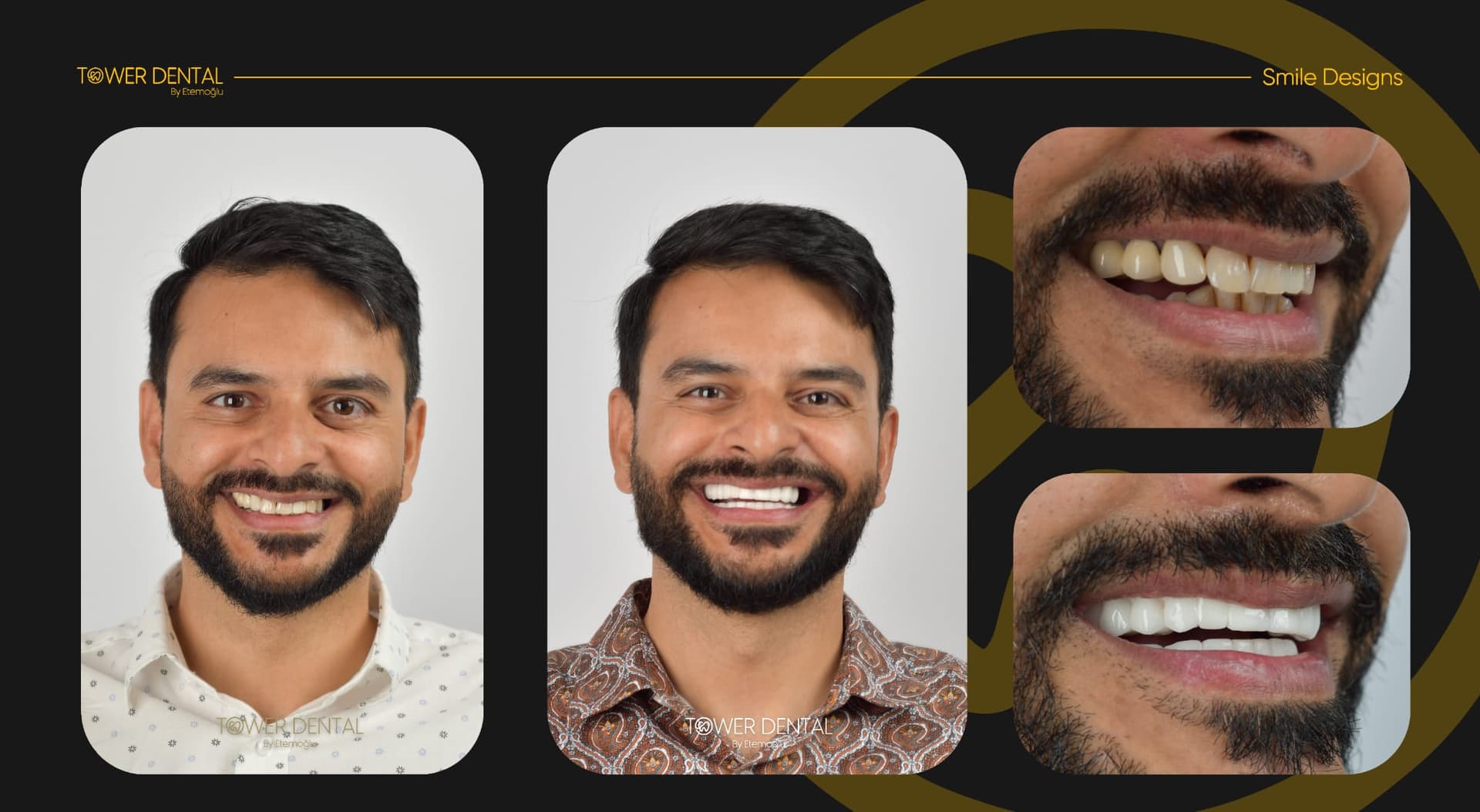 Before → After
Tower Dental Clinic
Verified clinicHollywood smile · E-max veneers · Istanbul
References & Sources
All clinical claims, pricing data, and statistics in this article are based on peer-reviewed research, official regulatory sources, and publicly verifiable data. We invite you to verify anything before making a treatment decision.
- 1.BBC News, "Turkey teeth: The dental tourism risks patients don't see." February 2023.
- 2.BBC, "Turkey Teeth: Bargain Smiles or Big Mistake?" — documentary investigating dental tourism risks, 2022.
- 3.Euronews, "Medical tourism: Dental expert explains why Turkey teeth can be a costly mistake." October 2024.
- 4.General Dental Council (UK), "Going abroad for dental treatment" — patient guidance.
- 5.British Dental Association (BDA), "Dental tourism: Patients need to know the risks."
- 6.T.C. Saglik Bakanligi (Turkish Ministry of Health), Health Tourism Authorisation Regulations.
- 7.Kontakiotis, E.G. et al. (2015), "A prospective study of the incidence of asymptomatic pulp necrosis following crown preparation," Int. Endod. J., 48(6), 512-517.
- 8.Pjetursson, B.E. et al. (2012), "A systematic review of the survival and complication rates of implant-supported fixed dental prostheses after at least 5 years," Clin. Oral Implants Res., 23(S6), 22-38.
- 9.Sailer, I. et al. (2015), "All-ceramic or metal-ceramic tooth-supported fixed dental prostheses: a systematic review," Dent. Mater., 31(6), 603-624.
- 10.Türkiye Today, "1.5 million health tourists visited Türkiye in 2024, generating $3 billion in revenue." 2025.
Medical disclaimer: This article is for educational purposes and does not replace a clinical examination. Treatment outcomes vary between patients. Always consult a qualified dental professional.
About MyDentalFly
MyDentalFly is a UK-based platform that builds your treatment plan and matches you with vetted specialist clinics abroad — and a dentist at the clinic reviews and confirms every plan before you pay anything.
Our interactive assessment evaluates your dental needs and builds a bespoke package: every treatment explained, a matched clinic with reasons why, your named dentist, flight estimates, transport, and accommodation — all in one place. We maintain a small, vetted network across Turkey, Hungary and Poland, visit clinics in person, help arrange CBCT scans before you fly, and stay with you through the entire journey. Compare. Save. Smile.
Questions Pearl can answer about inlays vs onlays vs crowns explained
- “Is treatment abroad safe?”
- “What would my case cost?”
- “Which clinic suits me?”
She answers in your own language, using prices from clinics we have checked. No sign-up, and she never asks for a phone number to give you an answer.
Tap a question — Pearl answers
Prefer a person? WhatsApp us · 020 4634 2312 · or
Clinically reviewed before booking
Every dental package built on MyDentalFly is reviewed by a qualified dentist before it gets accepted. Our clinical reviewers include specialists like Dr. Hubert Trępatowski — 800+ All-on-4 procedures, trained under Professor Paulo Malo (pioneer of the All-on-4 technique), graduate of Jagiellonian University Medical Faculty, Krakow.
About the author
Adam Smith
Head of Patient Research, MyDentalFly
Adam leads patient research at MyDentalFly, personally vetting clinics across Turkey, Hungary, and Poland. He has reviewed over 200 clinic proposals, analysed patient outcomes, and helped coordinate treatment plans for patients across the UK, USA, and Europe.
Clinically reviewed by
Dr. Ertan EtemogluLead Dentist & Co-Founder, Tower Dental Clinic
26 years in practice · 8,000+ patients/year · Turkish & American Dental Association member · Featured on Reuters
Content last reviewed: 9 September 2026


