Sensitive Teeth: Causes and Treatment
By Adam Smith, Head of Patient Research
Updated 28 March 2026 · Dental tourism researcher · Clinic vetting specialist · 40+ clinics assessed on-site

About MyDentalFly
We build your treatment plan and match you with vetted specialist clinics in Turkey, Hungary and Poland — and a dentist at the clinic confirms every plan before you pay anything.
Vetted clinics only· Turkey · Hungary · Poland·1,875 verified prices
Pearl, our dental consultant
Pearl
Pearl · online
Hi, I'm Pearl 👋 Ask me anything about dental treatment abroad — or tell me what you need and I'll build your package.

Smile Analyser
Send one photo. I tell you what I can see.
Try asking about this

That sharp jolt when cold hits your teeth? Here's what causes sensitivity, what actually fixes it, and when it's a warning sign.
That sharp pain when you drink something cold or bite into ice cream — sensitive teeth affect your daily life more than most people admit. Here's what's actually causing it and what fixes work.
What Is Tooth Sensitivity?
Sensitivity happens when the inner layer of your tooth — dentine — becomes exposed. Dentine contains thousands of tiny tubes that connect directly to the nerve. Cold, heat, sweetness, or pressure travel down those tubes and trigger the nerve.
Healthy enamel and gum tissue normally shield the dentine. When that protection wears away, the nerves fire.
Pearl
MyDentalFly’s dental consultant
Something worth knowing while you're reading: almost every dental decision comes down to two things a price list can't tell you — what condition the surrounding teeth and bone are in, and how permanent you want the result to be. Those are what make two people's treatment for the 'same' problem look completely different.
What's brought you here today?
What Causes It?
Worn Enamel
Acid erosion is the most common culprit. Fizzy drinks, citrus fruit, wine, and vinegar-based foods gradually dissolve enamel over time. Once gone, it does not regenerate.
Brushing too hard — or with a hard-bristle brush — physically scrubs enamel away. Brushing within 30 minutes of eating acid is particularly damaging.
Gum Recession
When gums pull back, the root surface is exposed. Roots have no enamel at all. Even slightly cool water can cause sharp discomfort.
Gum recession has several causes: gum disease, aggressive brushing, genetics, or grinding. It is more common than most people realise and tends to worsen slowly before anyone notices.
Cracked or Fractured Teeth
A hairline crack in a tooth can cause intense sensitivity — especially when biting down and releasing. The crack flexes under pressure and irritates the pulp.
Cracks are notoriously hard to spot on X-rays. A dentist may need to use a bite stick or special dye to find them.
Teeth Grinding (Bruxism)
Grinding flattens and chips enamel over time. Many people grind at night and have no idea. Waking up with a headache or jaw ache, or a partner mentioning grinding noises, are the usual giveaways.
Post-Whitening Sensitivity
Tooth whitening temporarily increases sensitivity. Peroxide in whitening gels opens the dentinal tubules. This usually settles within 48-72 hours.
If sensitivity persists beyond a week after whitening, book a check-up.
Cavities and Old Fillings
Decay exposes dentine. A filling that has cracked or shrunk leaves a gap around the edge where bacteria and temperature can reach the nerve.
Managing It at Home
Desensitising toothpaste is the first step for most people. Products containing potassium nitrate or stannous fluoride work by blocking dentinal tubules or calming the nerve signal. They take two to four weeks of consistent use to show results.
A few practical rules that make a real difference:
- Switch to a soft-bristle brush and use a light circular motion, not horizontal scrubbing
- Wait 30-60 minutes after eating or drinking anything acidic before brushing
- Use a fluoride mouthwash at a different time to brushing — not immediately after
- Avoid sipping fizzy drinks throughout the day; drink through a straw or finish the drink in one sitting
These habits slow further damage. They do not reverse existing enamel loss.
Professional Treatments
Home care helps, but some causes of sensitivity need clinical treatment to resolve.
Fluoride Varnish
A dentist can apply a concentrated fluoride varnish directly to sensitive areas. It takes minutes and can significantly reduce sensitivity for several months. Low cost, low risk.
Dental Bonding
For exposed root surfaces, composite resin can be bonded over the area to seal the dentine. It is the same tooth-coloured material used for fillings. Quick to apply and effective for mild to moderate recession cases.
Crowns
If a tooth has significant enamel loss, a crack, or an old filling that keeps failing, a crown may be the right fix. It covers the entire tooth and seals off dentinal exposure completely.
For badly worn teeth, crowns are often the only long-term solution. See our guide to inlays vs onlays vs crowns if you are weighing up options.
Gum Grafting
Severe gum recession can be treated with a connective tissue graft. Tissue is taken from the roof of the mouth and attached over the exposed root. It re-covers the root and halts further recession.
Root Canal Treatment
When sensitivity is constant, severe, and does not respond to other treatment, the nerve may be inflamed or infected. A root canal removes the nerve tissue entirely. The tooth becomes non-vital but the pain — including sensitivity — disappears.
What Does Treatment Cost?
This is where many people give up and just live with it. Private dental prices in the UK and USA are high enough that patients delay treatment until minor sensitivity becomes a serious problem.
| Treatment | UK (GBP) | USA (USD) | Turkey (GBP) |
|---|---|---|---|
| Composite Filling | £150 | $250 | from £40 |
| Dental Bonding | £300 | $450 | from £80 |
| Zirconia Crown | £850 | $1,400 | from £160 |
| Root Canal Treatment | £600 | $1,200 | from £120 |
| Gum Grafting (per tooth) | £1,000 | $1,800 | from £250 |
| Night Guard (for grinding) | £300 | $500 | from £80 |
Patients travelling to Istanbul for treatment typically need two to five days for crowns and bonding work. Gum grafts may require a longer stay for post-operative review.
When Is Sensitivity Serious?
Not all sensitivity is the same. See a dentist promptly if you notice:
- Sensitivity that is constant rather than sharp and brief
- Pain when biting down, especially when releasing the bite
- Sensitivity in a tooth that has had a root canal
- Swelling, tenderness, or a small bump on the gum near a painful tooth
- Sensitivity that started suddenly in multiple teeth at once
These patterns can indicate a cracked tooth, abscess, or failing restoration that will worsen without treatment.
"I had sensitivity for about two years and just kept buying different toothpastes. Then I had a proper assessment done and found out I had two cracked teeth. One needed a crown, one needed a root canal. I wish I had sorted it sooner — by the time I did, I flew to Istanbul and had both done for less than one crown would have cost me privately in Manchester." — Sarah, 41, UK patient
How MyDentalFly Can Help
Sensitivity is rarely just one thing. It is usually a combination of worn enamel, recession, old restorations, and possibly grinding — all affecting different teeth to different degrees.
MyDentalFly's dental package starts by mapping exactly which teeth are affected, what symptoms you have, and how your case presents. You complete an interactive dental chart during the assessment — marking each affected tooth with your symptoms — so clinics can see the full picture before you arrive.
Pearl, our AI assistant, can answer questions about your specific symptoms and help you understand what questions to ask during a clinical consultation.
Once your dental package is ready, you can compare treatment plans and prices from verified clinics across Turkey, Hungary, Poland, and Dubai. Clinics respond with their specific recommendations based on your dental chart — not a generic price list. Read more about what implant treatment looks like abroad in our dental implants Turkey guide, or explore zirconium crowns if crown treatment is likely for you.
Next Steps
The dental assessment maps your teeth and recommends the right treatment. The savings calculator shows what it costs at verified clinics abroad. Your dental tourism consultant coordinates everything once you're ready.
What your package would look like
Your package, building
ExamplePackage total
building…
—
Real results from verified clinics
Drag the slider to compare before & after
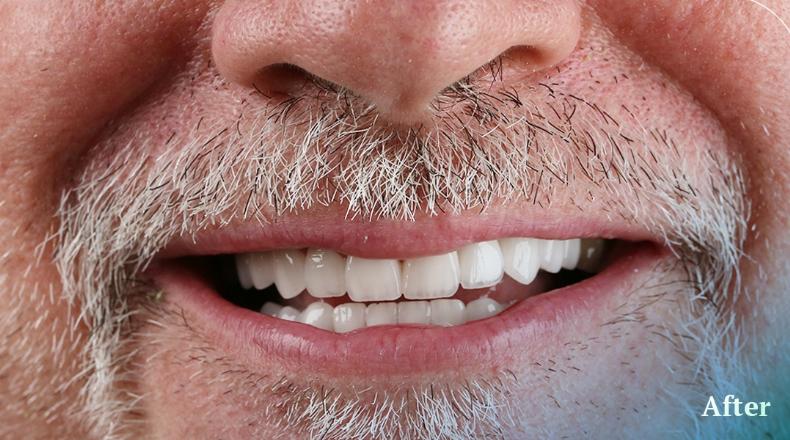
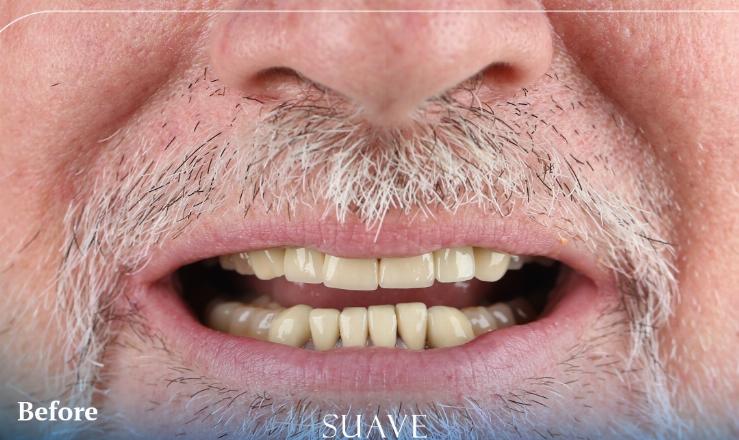
Suave Clinic
Verified clinicFull smile restoration · Istanbul
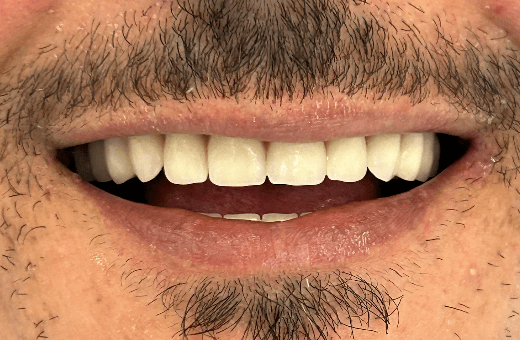
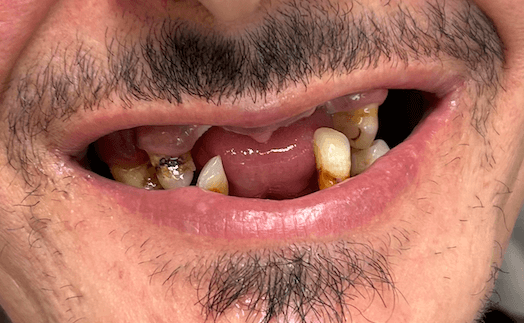
MDental Clinic
Verified clinicFull smile makeover · E-max veneers · Budapest
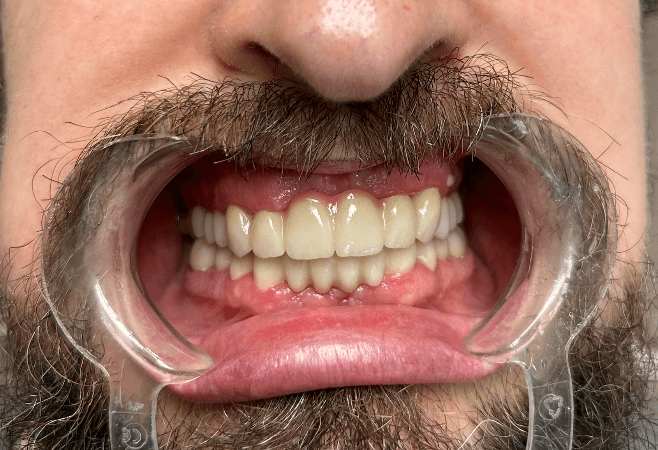
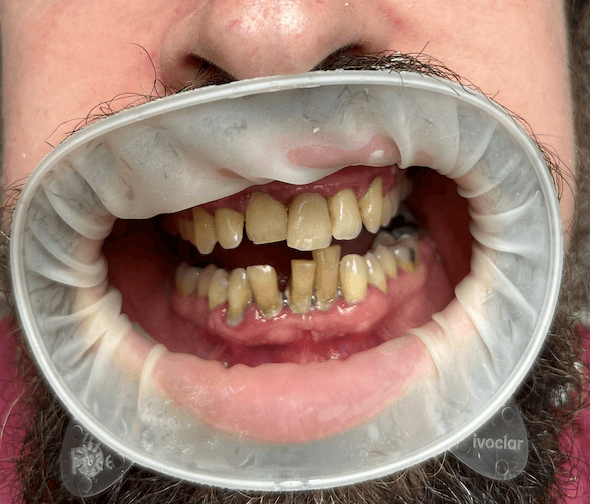
MDental Clinic
Verified clinicCrowns & restoration · Budapest
 Before → After
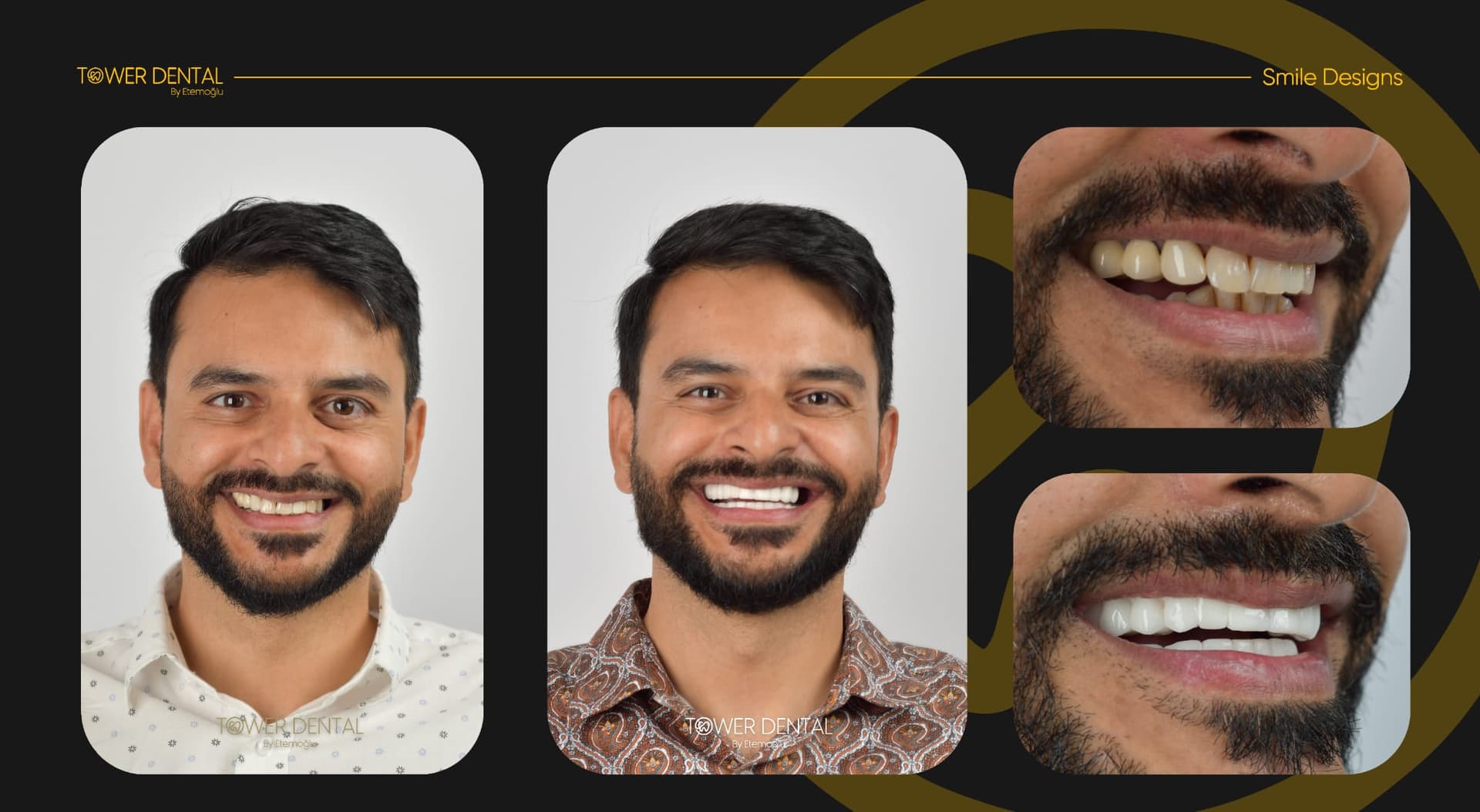
Tower Dental Clinic
Verified clinicHollywood smile · E-max veneers · Istanbul
References & Sources
All clinical claims, pricing data, and statistics in this article are based on peer-reviewed research, official regulatory sources, and publicly verifiable data. We invite you to verify anything before making a treatment decision.
- 1.BBC News, "Turkey teeth: The dental tourism risks patients don't see." February 2023.
- 2.BBC, "Turkey Teeth: Bargain Smiles or Big Mistake?" — documentary investigating dental tourism risks, 2022.
- 3.Euronews, "Medical tourism: Dental expert explains why Turkey teeth can be a costly mistake." October 2024.
- 4.General Dental Council (UK), "Going abroad for dental treatment" — patient guidance.
- 5.British Dental Association (BDA), "Dental tourism: Patients need to know the risks."
- 6.T.C. Saglik Bakanligi (Turkish Ministry of Health), Health Tourism Authorisation Regulations.
- 7.Kontakiotis, E.G. et al. (2015), "A prospective study of the incidence of asymptomatic pulp necrosis following crown preparation," Int. Endod. J., 48(6), 512-517.
- 8.Pjetursson, B.E. et al. (2012), "A systematic review of the survival and complication rates of implant-supported fixed dental prostheses after at least 5 years," Clin. Oral Implants Res., 23(S6), 22-38.
- 9.Sailer, I. et al. (2015), "All-ceramic or metal-ceramic tooth-supported fixed dental prostheses: a systematic review," Dent. Mater., 31(6), 603-624.
- 10.Türkiye Today, "1.5 million health tourists visited Türkiye in 2024, generating $3 billion in revenue." 2025.
Medical disclaimer: This article is for educational purposes and does not replace a clinical examination. Treatment outcomes vary between patients. Always consult a qualified dental professional.

About MyDentalFly
MyDentalFly is a UK-based platform that builds your treatment plan and matches you with vetted specialist clinics abroad — and a dentist at the clinic reviews and confirms every plan before you pay anything.
Our interactive assessment evaluates your dental needs and builds a bespoke package: every treatment explained, a matched clinic with reasons why, your named dentist, flight estimates, transport, and accommodation — all in one place. We maintain a small, vetted network across Turkey, Hungary and Poland, visit clinics in person, help arrange CBCT scans before you fly, and stay with you through the entire journey. Compare. Save. Smile.
Questions Pearl can answer about sensitive teeth: causes and treatment
- “Is treatment abroad safe?”
- “What would my case cost?”
- “Which clinic suits me?”
She answers in your own language, using prices from clinics we have checked. No sign-up, and she never asks for a phone number to give you an answer.
Tap a question — Pearl answers
Prefer a person? WhatsApp us · 020 4634 2312 · or
Clinically reviewed before booking
Every dental package built on MyDentalFly is reviewed by a qualified dentist before it gets accepted. Our clinical reviewers include specialists like Dr. Hubert Trępatowski — 800+ All-on-4 procedures, trained under Professor Paulo Malo (pioneer of the All-on-4 technique), graduate of Jagiellonian University Medical Faculty, Krakow.
About the author
Adam Smith
Head of Patient Research, MyDentalFly
Adam leads patient research at MyDentalFly, personally vetting clinics across Turkey, Hungary, and Poland. He has reviewed over 200 clinic proposals, analysed patient outcomes, and helped coordinate treatment plans for patients across the UK, USA, and Europe.


