Dental Implants in Hungary: The Complete 2026 Guide
Hungary has been Europe's leading dental tourism destination for over 20 years. Budapest clinics offer EU-regulated care with German-trained specialists, premium implant brands, and savings of 40-60% compared to UK and Western European prices -- all within a 2.5-hour flight from London.
£450-800
Per implant in Hungary
40-60%
Savings vs UK prices
95%+
Success rate
2.5 hrs
Flight from London
At a glance
£450-800 per implant, crown extra (vs £2,000-3,000 UK)
95-98% success rate — same as Turkey
EU-regulated clinics with Nobel & Straumann
2.5-hour flight from London
Covers: standard, premium, All-on-4, All-on-6
Includes: success rates, complications, Budapest recovery tips
We build your treatment plan and match you with vetted specialist clinics in Turkey, Hungary and Poland — and a dentist at the clinic confirms every plan before you pay anything.
Hi, I'm Pearl 👋 Ask me anything about dental implants abroad — or tell me what you need and I'll build your package.
What I build for you
Prefer another language?
gap
worn
shade
Smile Analyser
Send one photo. I tell you what I can see.
Try asking about this
Why Budapest for Dental Implants?
A Dental Implant (Standard) costs £450-600 in Budapest compared to £2,000-2,500 in the UK and $3,000-5,000 in the USA — a saving of 40-60%. Budapest has been Europe's leading dental tourism destination since the 1990s, with over two decades of experience serving British, German, Austrian, and Scandinavian patients. As an EU member state, Hungarian clinics operate under European regulatory standards and use the same implant brands (Nobel Biocare, Straumann, Alpha-Bio) found in Western practices.
As an EU member state, Hungary's healthcare system operates under European regulatory standards. Dental clinics are inspected by Hungary's National Public Health Center (NNK), and many hold additional ISO or international accreditations. The implant brands used -- Nobel Biocare, Straumann, Alpha-Bio, MIS -- are identical to those available in Western European clinics. Hungarian labs are known for exceptional prosthetic work, particularly in zirconia and porcelain restorations.
The cost advantage is significant but narrower than Turkey or Thailand. Implant prices in Budapest are typically 40-60% below UK prices, compared to 50-70% in Turkey. However, many patients choose Hungary specifically because of its EU membership, proximity to Western Europe, cultural familiarity, and the extensive track record of its dental tourism industry. For complex implant cases requiring multiple visits, the short flight from London (2.5 hours, with multiple daily connections) makes Hungary particularly practical.
Best for: People who want dental implants with EU regulatory standards, a short flight from the UK (2.5 hours), and clinics with 20+ years of dental tourism experience.
Key Insight
Hungary has been Europe's dental tourism capital for over 20 years. Budapest clinics use Nobel Biocare and Straumann implants with EU-regulated labs — at 40-60% less than UK prices.
Types of Treatment
Dental Implant (Standard)
£450-600 per implant in Hungary
The titanium post and its abutment, replacing the root of one missing tooth. The crown on top is priced separately. Budapest clinics commonly use Alpha-Bio (Israel), MIS (Israel), and Osstem (South Korea) as standard-tier options. These are globally certified, widely used brands with extensive clinical evidence. Many Hungarian clinics quote the implant, abutment and a temporary crown together, with the permanent crown fitted on a second visit after osseointegration — so always confirm whether a quoted price includes the permanent crown.
Dental Implant (Standard) (Premium)
£700-1,000 per implant in Hungary
Premium implants using Nobel Biocare (Switzerland), Straumann (Switzerland), or ICX (Germany). These brands have the longest clinical track records, with some studies spanning 30+ years. Many Budapest clinics specialise in Nobel and Straumann cases, with surgeons who have placed thousands of premium implants. Premium options are recommended for complex cases, anterior teeth (where aesthetics are critical), or patients who want the most established brand available.
All-on-4 Implants (Full Arch)
£5,000-7,500 per arch in Hungary
Four strategically placed implants supporting a full-arch fixed bridge. Budapest clinics have extensive experience with the All-on-4 protocol, often using Nobel Biocare (the original All-on-4 system developer) or Straumann Pro Arch. The first visit includes implant placement and a provisional fixed bridge; patients return after 4-6 months for the permanent zirconia prosthesis. Hungarian labs are particularly strong in full-arch zirconia work.
All-on-6 Implants (Full Arch)
£6,500-9,500 per arch in Hungary
Six implants per arch for enhanced stability and load distribution. Recommended for upper arches or patients with adequate bone who want maximum long-term security. The process and timeline mirror All-on-4, with a same-day provisional bridge and return visit for the permanent prosthesis. The additional implants add approximately 20-30% to the All-on-4 price.
Success Rates & Risks
95-98%
overall success rate across major clinical studies
Success by case type
Single implant, healthy bone, non-smoker97-98%
Single implant, smoker89-94%
All-on-4 full arch94-98%
Implant with bone graft90-95%
Why implants fail
Peri-implantitis
5-8% over 10 years
Bacterial infection around the implant causing bone loss. The most common long-term complication. Treatable with antibiotics and deep cleaning when caught early.
Failed osseointegration
1-2%
The implant fails to fuse with the jawbone during the 3-6 month healing period. The implant is removed, the area heals, and a replacement can be placed.
Mechanical failure
<1%
Fracture of the implant post or abutment. Requires surgical removal and replacement. Rare with premium brands.
Complication rates
Complication
Frequency
Severity
Post-operative swelling
80-100%
mild
Temporary numbness (lower jaw)
5-10%
moderate
Infection at surgical site
2-5%
moderate
Permanent nerve damage
<0.5%
serious
Based on meta-analyses from the Journal of Oral & Maxillofacial Implants (2023) and European Journal of Oral Implantology (2024).
Are You a Candidate?
Ideal candidates
Healthy gums with no active periodontal disease
Sufficient jawbone density (verified by CBCT scan)
Non-smoker or willing to quit around surgery
No uncontrolled chronic conditions
Good general health
Minimum requirements
Adequate jawbone volume (assessed via CBCT scan at the clinic)
Healthy gums — existing gum disease must be treated first
Jaw growth complete (18+ years old)
Contraindications
Not suitable
Uncontrolled diabetes (HbA1c > 8%)
Must be controlled before proceeding. Your clinic will request a recent blood test.
Not suitable
IV bisphosphonate therapy
Significant risk of jaw osteonecrosis after dental surgery.
Caution
Smoking (10+ cigarettes/day)
Success rates drop by 5-10%. Most clinics require stopping 2 weeks before and 8 weeks after surgery.
Caution
Controlled diabetes
Possible with slightly lower success rates (~93%). Prophylactic antibiotics likely.
Price Comparison: Hungary vs Home Country
Prices shown in native currencies. Hungary prices in GBP.
UK average
Hungary price
Dental Implant (Standard)
Save 66%
UK
£1,500
Hun
£514
Dental Implant (Premium)
Save 55%
UK
£1,900
Hun
£855
All-on-4 Implants (Full Arch)
Save 50%
UK
£13,000
Hun
£6,500
All-on-6 Implants (Full Arch)
Save 43%
UK
£15,000
Hun
£8,500
Treatment
UK
USA
Europe
UAE
UK
Hungary
Saving
Dental Implant (Standard)
£1,500
$4,000
€2,800
AED 10,000
£1,500
£514
66%
Dental Implant (Premium)
£1,900
$5,000
€3,200
AED 12,000
£1,900
£855
55%
All-on-4 Implants (Full Arch)
£13,000
$25,000
€15,000
AED 55,000
£13,000
£6,500
50%
All-on-6 Implants (Full Arch)
£15,000
$30,000
€18,000
AED 70,000
£15,000
£8,500
43%
Bone Graft
£800
$1,500
€900
AED 4,000
£800
£300
63%
Sinus Lift
£1,200
$2,500
€1,400
AED 6,000
£1,200
£480
60%
Pearl
MyDentalFly’s dental consultant
Worth knowing before you compare any quotes: the number of implants you need isn't a preference, it's decided by how much bone you have and where the gaps sit. Two people missing the same number of teeth can need very different treatment — which is why quotes vary so wildly before anyone has looked at a scan.
How many teeth are you missing or need replacing?
What Can Go Wrong
Complication rates, how likely each is, and how clinics handle them
What Can Go Wrong
Infection
2-5%Preventable
Bacterial infection in the gum tissue around the implant.
How clinics handle this:
Treated with antibiotics. Rarely requires implant removal.
Nerve damage
<1%Preventable
The inferior alveolar nerve in the lower jaw can be bruised during placement, causing temporary numbness.
How clinics handle this:
Usually resolves within 3-6 months. Permanent damage extremely rare with guided surgery.
Implant loosening
1-3%Preventable
Implant does not fuse to the jawbone.
How clinics handle this:
Removed under local anaesthesia. Bone heals 2-3 months, then replacement placed. Most clinics cover this under guarantee.
If something goes wrong after you return home
MyDentalFly provides direct messaging with your clinic through our patient portal. If you experience issues after returning home, message your clinic directly. If they don't respond promptly, we intermediate on your behalf. Your Budapest clinic will advise on remote management or refer you to a local dentist if needed.
Hungarian clinics on our platform offer 5-10 year guarantees on implant posts and 3-5 years on crowns. EU consumer protection laws provide additional recourse.
The Process: Step by Step
1
Online Assessment and Treatment Planning
1-3 days
Submit your dental questionnaire, X-rays, and photos through our platform. Our system generates an intelligent treatment plan identifying implant needs, bone condition, and recommended approach. You receive preliminary quotes from Budapest clinics with detailed breakdowns of implant brand, crown material, and any additional procedures needed.
2
Clinic Selection and Booking
1-7 days
Compare Budapest clinics based on implant specialisation, brands offered, laboratory capabilities, and patient reviews. Hungarian clinics provide detailed treatment proposals including exact implant brand and model. Secure your booking with a deposit and receive your appointment schedule and travel recommendations.
3
First Visit: Consultation and Implant Placement
3-5 days
Arrive in Budapest (2.5-hour flight from London, frequent daily connections). Your clinic arranges transfers and accommodation. Day 1 includes a comprehensive examination with 3D CBCT scan, treatment plan confirmation, and any necessary preparatory work. Implant surgery follows, typically on day 1 or 2. A provisional restoration is fitted before you leave. Most first visits last 3-5 days.
4
Healing Period at Home
3-6 months
Return home with your provisional restoration and enter the osseointegration period. Your Budapest clinic monitors progress remotely via the patient portal. You can share photos or raise concerns with your coordinator. The healing period for standard cases is 3-4 months; complex cases with bone grafts may require 4-6 months.
5
Second Visit: Permanent Restoration
2-4 days
Return to Budapest for 2-4 days to receive your permanent crown, bridge, or full-arch prosthesis. The lab fabricates your restoration from digital impressions taken during the first visit or from new impressions taken on arrival. Final fitting includes bite adjustment, shade matching verification, and polishing. You leave with your completed restoration and aftercare instructions.
Recovery: What to Really Expect
Day by day, pain levels, and when you can eat and fly normally
Recovery: What to Really Expect
1
Day 1
Pain: Moderate (4-6/10)
Swelling begins. Numbness wears off after 2-4 hours. Cold packs help.
Soft/liquid food onlyNo hot drinksSleep elevated
2
Day 2-3
Pain: Moderate (3-5/10)
Swelling peaks. Pain managed with prescribed medication.
Soft foodNo strawsNo smoking
3
Day 4-7
Pain: Mild (2-3/10)
Swelling reduces. Comfortable enough for sightseeing in Budapest.
Soft to semi-soft foodNo Budapest thermal baths (infection risk)
4
Week 2-3
Pain: Minimal (1/10)
Stitches dissolve. Back to normal daily activities.
Avoid hard foods on implant side
5
Month 3-6
Pain: None
Osseointegration complete. Return to Budapest for final crown/bridge fitting.
No alcohol for 48 hours (interacts with antibiotics)
Travel note: Safe to fly 24-48 hours after surgery. Budapest is a 2.5-hour flight from London — ideal for a short recovery stay. Avoid the thermal baths for 7-10 days post-surgery.
Why Hungary?
As of 2026, Hungary has been Europe's dental tourism leader for over 20 years. The country's dental tourism infrastructure is the most mature in Europe, with clinics, hotels, and travel services specifically designed around international dental patients. Budapest alone has more than 200 dental clinics actively serving international patients, and the city has welcomed an estimated 500,000+ dental tourists over the past decade. This scale and experience translates into refined processes, well-trained support staff, and clinics that understand Western European patient expectations.
EU-Regulated Care
Hungary follows EU medical directives. Clinics meet the same regulatory standards as Germany, France, or the UK.
Premium Implant Brands
Nobel Biocare, Straumann, and Alpha-Bio — with full manufacturer warranties honoured across the EU.
40-60% Savings
Budapest combines first-world quality with Central European costs. No compromise on materials or technology.
German-Trained Specialists
Many Hungarian dentists train in Germany or Austria, bringing Western European clinical excellence.
2.5-Hour Flight
Direct flights from London, Manchester, and Dublin. Budapest is closer than most European holiday destinations.
20+ Year Track Record
Hungary pioneered dental tourism in Europe. Clinics have decades of experience treating international patients.
Verified clinics
Your dental implant plan, clinically reviewed
1 You complete the dental assessment2 You get your bespoke dental package3 Dentists like these review it
Your report goes to up to 3 clinics. Their lead dentists create a clinically reviewed treatment plan with exact pricing — so you know everything before you decide.
You've done the reading. Want the file for your own case?
We deal with patients worldwide — from the UK, USA, Canada and across Europe. Tell us what’s bothering you and get your plan with real prices from clinics picked for your case — then their own written quotes, all on one page. No talking to ten clinics, no year of research: one assessment, one page, one day.
Free until you book a date · Everything in writing · A human any time
Long-Term Costs & Maintenance
What it costs to keep over 5, 10 and 15 years
Long-Term Costs & Maintenance
Ongoing maintenance
Frequency
What
Cost
Every 6 months
Professional cleaning around implants
£60-100 in Hungary, £80-150 in UK
Annually
Check-up with X-ray
£40-60 in Hungary, £60-120 in UK
Component lifespan
Implant post(Lifetime (20-30+ years))
£450-700 in Hungary (if failure)
Crown(10-15 years)
£200-400 in Hungary, £500-1,000 in UK
Total cost of ownership
Over 15 years, a single implant in Hungary costs approximately £1,200-1,800 total (including one crown replacement). In the UK: £4,000-6,000. Hungary offers EU-regulated care at 40-60% less than UK prices.
Alternatives to Consider
Other treatments that may suit your case better, with pros and cons
Alternatives to Consider
BudgetBone densityNumber of missing teethHealth conditionsPreference for fixed vs removable
Dental Bridge
Turkey
£250-550 per unit in Hungary
UK
£800-1,500 per unit
Missing 1-3 teeth with healthy adjacent teeth.
Pros
No surgery
Lower upfront cost
Same-trip completion
Cons
Requires grinding healthy teeth
No bone loss prevention
If anchor tooth fails, bridge fails
Removable Partial Denture
Turkey
£200-500 in Hungary
UK
£500-1,500
Budget is primary concern or you're not a candidate for implants.
Pros
Lowest cost
No surgery
Quick fabrication
Cons
Removable
Less stable
Bone loss continues
Needs replacing every 5-8 years
Key Takeaway
Hungary offers EU-regulated implant care at 40-60% less than UK prices. Budapest clinics have treated international patients for over 20 years — the infrastructure and aftercare pathways are well-established. Build your dental package first to compare clinic-specific pricing and get matched with the right clinic.
Example dental packages
Real prices from verified clinics — including flights and hotel
Frequently Asked Questions
Are dental implants in Hungary safe?
Yes. Hungary is an EU member state with healthcare regulated to European standards. Budapest dental clinics use the same globally certified implant brands (Nobel Biocare, Straumann, MIS, Alpha-Bio) as clinics in the UK and Germany. The country has over 20 years of dental tourism experience, and its regulatory framework provides strong patient protections. Our platform only lists clinics that meet verified quality standards.
How much cheaper are implants in Hungary vs the UK?
Dental implants in Budapest are typically 40-60% less expensive than equivalent treatment in the UK. A standard implant — the post and abutment — costs £450-750 in Hungary compared to around £2,950 in the UK. Add the crown that sits on top, which is always a separate product, and a complete single tooth is roughly £620-1,060 in Hungary against about £3,800 in the UK. An All-on-4 full arch costs £5,000-7,500 in Hungary vs £12,000-20,000 in the UK. The savings reflect lower operating costs, not lower quality -- the same implant brands and materials are used.
What implant brands do Budapest clinics use?
Budapest clinics offer a full range of internationally certified implant brands. Standard options include Alpha-Bio (Israel), MIS (Israel), and Osstem (South Korea). Premium options include Nobel Biocare (Switzerland), Straumann (Switzerland), and ICX (Germany). Your clinic will specify the exact brand in your treatment plan before you commit, and you can request a specific brand if you have a preference.
How many trips to Budapest will I need?
Most implant cases require two trips. The first trip (3-5 days) covers consultation, implant placement, and fitting of provisional restorations. After 3-6 months of healing, the second trip (2-4 days) is for fitting the permanent crowns or bridge. Some simple single-implant cases may be completed in one extended trip using immediate-loading protocols. Your treatment plan will specify the expected number of visits.
Is Hungary better than Turkey for dental implants?
Both are excellent destinations with different strengths. Hungary offers EU regulation, proximity to Western Europe (2.5-hour flight from London), and the most established dental tourism industry in Europe. Turkey is typically 15-25% cheaper than Hungary and has greater capacity for cosmetic treatments like veneers. For patients prioritising EU standards, easy travel logistics, and a proven track record, Hungary is hard to beat. For maximum savings, Turkey offers better value.
Do Hungarian clinics offer guarantees?
Yes. Clinics on our platform provide written guarantees on implant work. Typical guarantee periods are 5-10 years on the implant post (some offer lifetime) and 3-5 years on the crown or prosthesis. Guarantees cover manufacturing defects and premature clinical failure under normal use. Hungary's EU membership provides additional consumer protection if any dispute arises.
Can I use my EHIC/GHIC card in Hungary?
The EHIC/GHIC card covers emergency medical treatment in EU countries, but dental tourism procedures are elective and not covered. However, Hungary's EU membership does mean that if you experience an unrelated medical emergency during your trip, you are covered by reciprocal healthcare agreements. For the dental work itself, you will pay the clinic directly as quoted in your treatment plan.
What is recovery like after implant surgery?
Recovery is similar to implant surgery anywhere. Expect mild to moderate swelling and discomfort for 3-5 days, managed with prescribed painkillers. Most patients feel comfortable flying home 2-3 days after surgery. You should eat soft foods for 1-2 weeks and avoid strenuous exercise for about a week. Budapest's thermal baths are not recommended in the first week due to infection risk, but you can enjoy the city's many other attractions during recovery.
What your package would look like
Your package, building
Example
Package total
building…
—
Real results from verified clinics
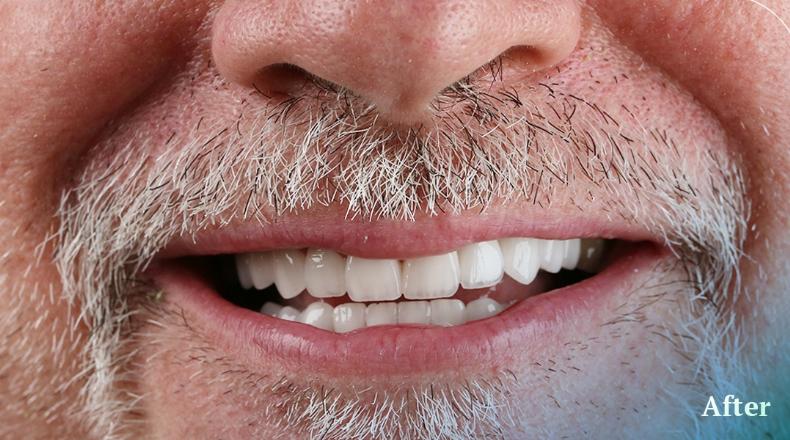
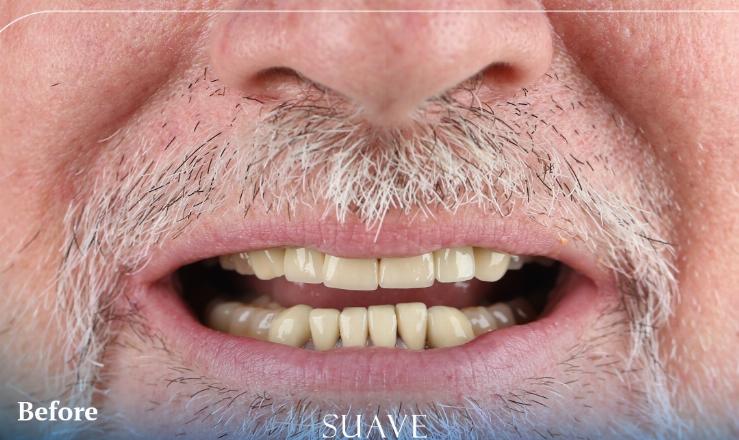
Drag the slider to compare before & after
AFTER
BEFORE
← Drag to compare →
Suave Clinic
Verified clinic
Full smile restoration · Istanbul
AFTER
BEFORE
← Drag to compare →
MDental Clinic
Verified clinic
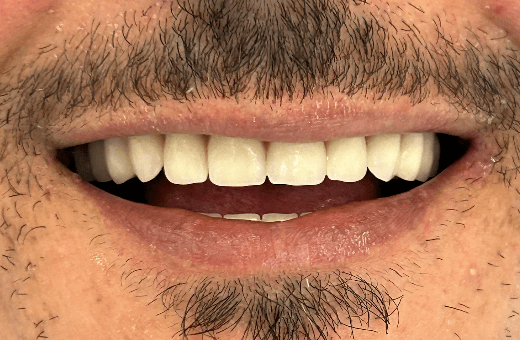
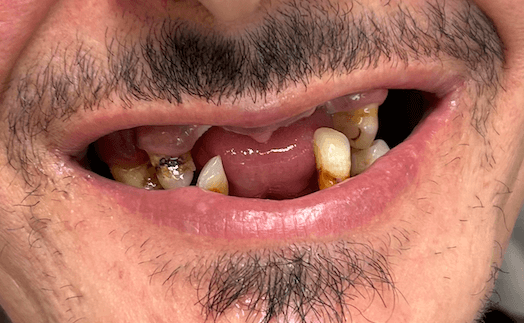
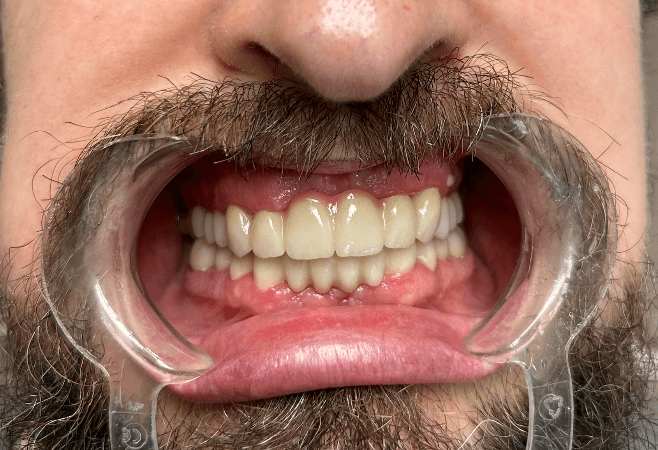
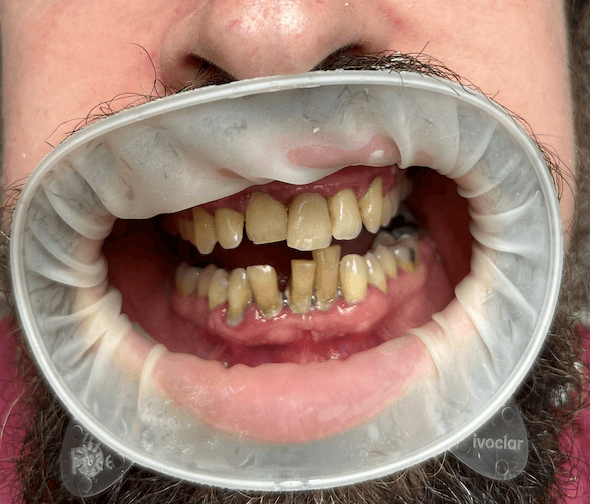
Full smile makeover · E-max veneers · Budapest
AFTER
BEFORE
← Drag to compare →
MDental Clinic
Verified clinic
Crowns & restoration · Budapest
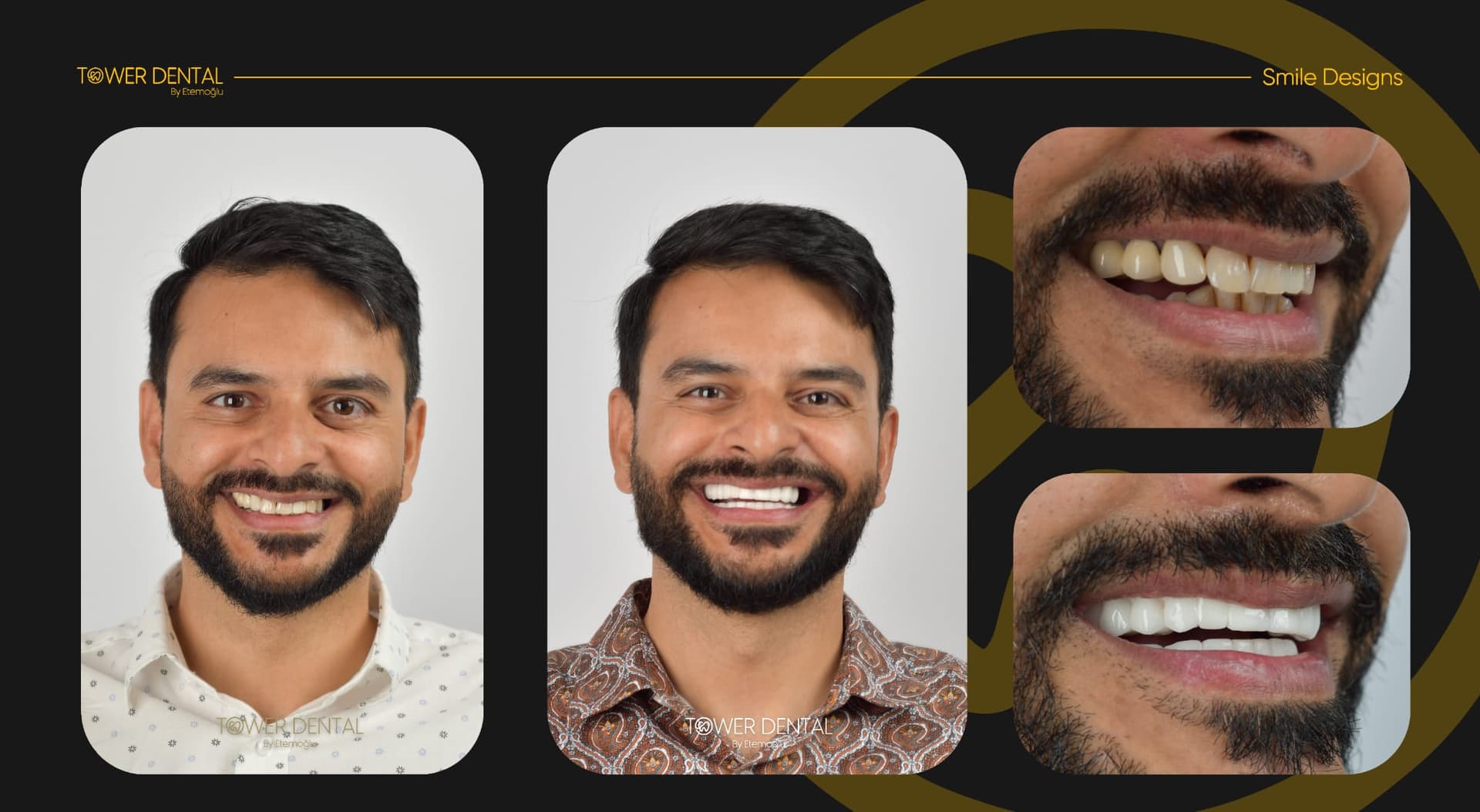
Before → After
Tower Dental Clinic
Verified clinic
Hollywood smile · E-max veneers · Istanbul
References & Sources
All clinical claims, pricing data, and statistics in this article are based on peer-reviewed research, official regulatory sources, and publicly verifiable data. We invite you to verify anything before making a treatment decision.
Medical disclaimer: This article is for educational purposes and does not replace a clinical examination. Treatment outcomes vary between patients. Always consult a qualified dental professional.
About MyDentalFly
MyDentalFly is a UK-based platform that builds your treatment plan and matches you with vetted specialist clinics abroad — and a dentist at the clinic reviews and confirms every plan before you pay anything.
Our interactive assessment evaluates your dental needs and builds a bespoke package: every treatment explained, a matched clinic with reasons why, your named dentist, flight estimates, transport, and accommodation — all in one place. We maintain a small, vetted network across Turkey, Hungary and Poland, visit clinics in person, help arrange CBCT scans before you fly, and stay with you through the entire journey. Compare. Save. Smile.
500+ patients helped·Nothing is charged until the clinic's dentist confirms your plan
Vetted clinics only Turkey · Hungary · Poland1,875 verified pricesAsk Pearl how it works ↓
Adam leads patient research at MyDentalFly, personally vetting clinics across Turkey, Hungary, and Poland. He has reviewed over 200 clinic proposals, analysed patient outcomes, and helped coordinate treatment plans for patients across the UK, USA, and Europe.
ÁB
Clinically reviewed by
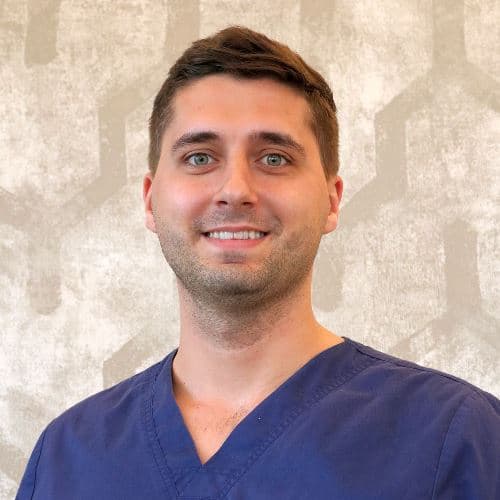
Dr. Ádám Bodnár
Lead Implant Surgeon, MDental Clinic Budapest
1,200+ implants placed per year · Medicare Group · Straumann & Nobel Biocare certified · ISO 9001:2015